How We Research & Review
Every review, comparison, and buying guide on SolarGeneratorWholeHouse follows a structured verification framework designed for technical accuracy and provenance transparency.
The 7 Evidence Categories We Separate
- Manufacturer Specifications: Baseline capacity (Wh), chemistry, continuous/surge output, port types, weight, dimensions, and pricing collected directly from official US brand product pages.
- Manufacturer Manuals & Support Docs: Solar open-circuit voltage (Voc) ceilings, MPPT channel splits, operating/charging temperature thresholds, and resistive-boost caveats (such as X-Boost or Power Lifting).
- Third-Party Measured Results: Usable AC watt-hour discharge figures, round-trip efficiency, and recharge benchmarks attributed strictly to the actual testing organization (such as CNET, OutdoorGearLab, TechRadar, APH Networks, or PowerOffGrid) alongside their stated load conditions.
- Manufacturer-Reported Performance: Claims like decibel ratings ("30 dB under 2,000W") or cycle-life retention curves ("3,500 cycles at 25°C") that come from factory specs rather than third-party testing.
- Consumer-Reported Feedback: Common real-world observations around carry weight, app UX, fan tone, or accessory needs without inventing fake survey percentages.
- Estimated Calculations: Runtime and solar charge-time estimates displayed as explicit ranges with transparent formulas.
- Unknown / Not Disclosed: Any specification absent from official documentation remains explicitly labeled Not Disclosed or Not Independently Verified.
Why We Do Not Display Arbitrary Numeric Scores Today
We retired arbitrary 10-point scores inherited from early templates. Until SolarGeneratorWholeHouse operates documented, standardized in-house hardware test equipment across comparable load profiles, we focus on clear specification provenance, trade-off analysis, and real-world suitability ("Ideal For" vs "Not Ideal For"). See our Testing Methodology page for how any future scoring system would be governed.
Verification Against Generation Drift
Manufacturers frequently ship multiple revisions under similar names (for example, Anker SOLIX F3800 vs. F3800 Plus, DJI Power 1000 V1 vs. V2, or Anker SOLIX C300 AC vs. C300 DC). Our database explicitly tracks generation revisions and US-market SKUs.
Hardware Architectures Audited Under This Process
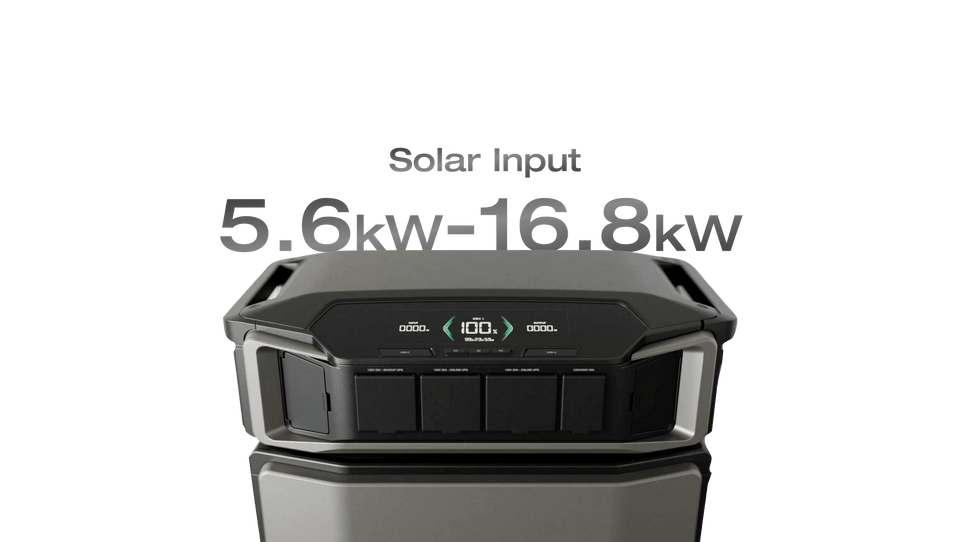
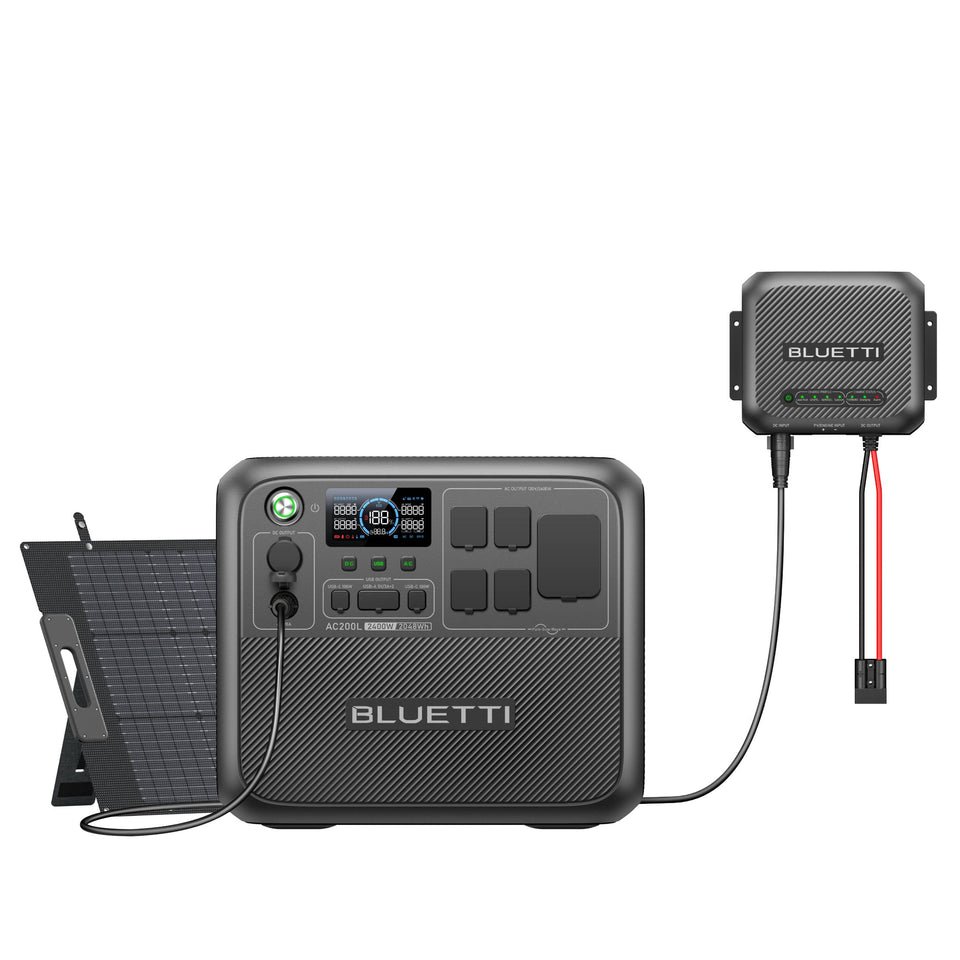
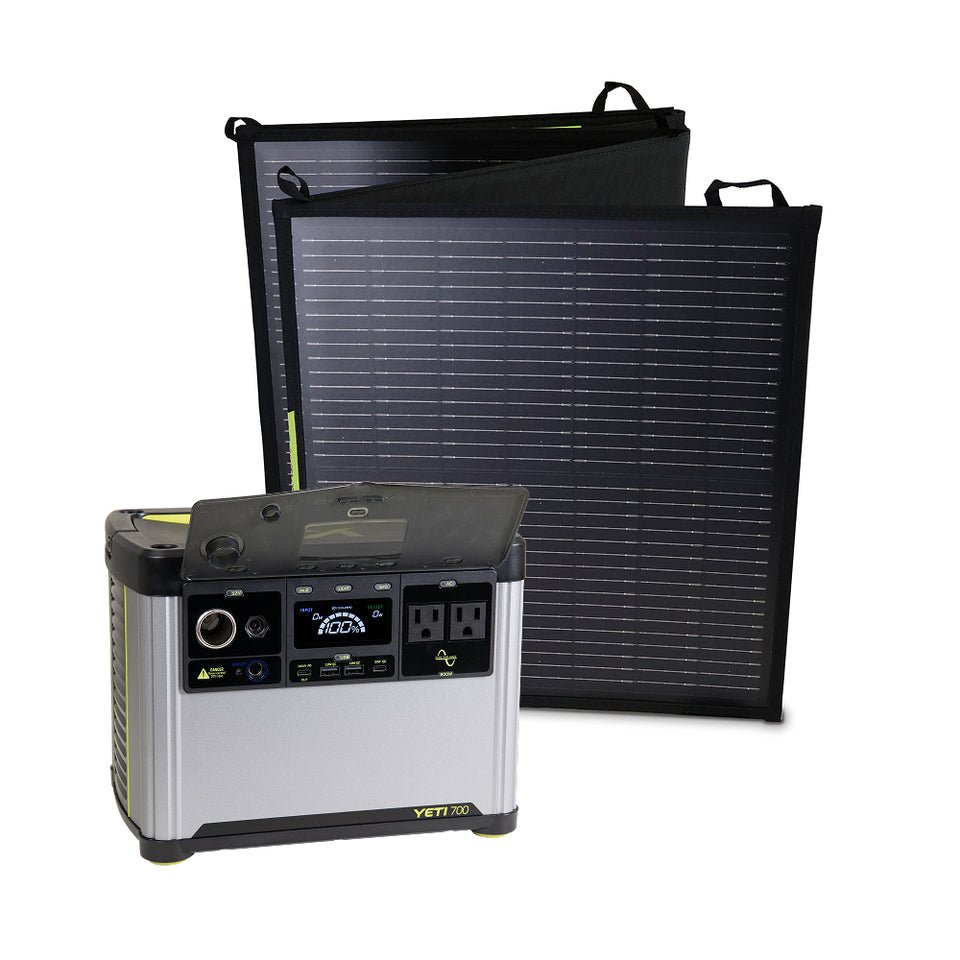
Visual overview of the three core US backup categories evaluated across SolarGeneratorWholeHouse using official manufacturer imagery.
Last Updated: November 24, 2026