Testing Methodology & Evaluation Standards
Full transparency about what is measured, who measured it, and how future scoring would be structured.
How Third-Party Test Evidence Is Evaluated
When citing external laboratory data (such as CNET refrigerator runtime benchmarks, OutdoorGearLab AC recharge checks, or APH Networks / PowerOffGrid resistive discharge tests), we verify and display:
- The exact testing organization and original publication URL.
- Test load magnitude and load type (e.g., 136W steady load vs 250W resistive heater vs cyclic refrigerator compressor).
- Exact SKU or generation tested so measurements from one generation are never misattributed to another.
Why We Do Not Average Incompatible Tests
A power station's measured usable AC efficiency changes substantially depending on load wattage relative to inverter idle draw. Averaging a 100W test from one outlet with a 1,500W load test from another produces a misleading number. We present each test alongside its stated test conditions instead of blending them into a synthetic metric.
Governance Rules for Future In-House Testing & Scoring
If SolarGeneratorWholeHouse establishes documented in-house testing in the future or introduces an editorial scoring rubric, we commit to publishing:
- Complete test equipment specifications, ambient temperature controls, and repeatable load profiles.
- The exact scoring rubric and category weightings prior to assigning any numeric scores.
- Explicit handling of missing data and measurement uncertainty.
- Strict firewalling between affiliate partnerships and editorial evaluations.
Example Hardware Classes Tracked Across External Tests
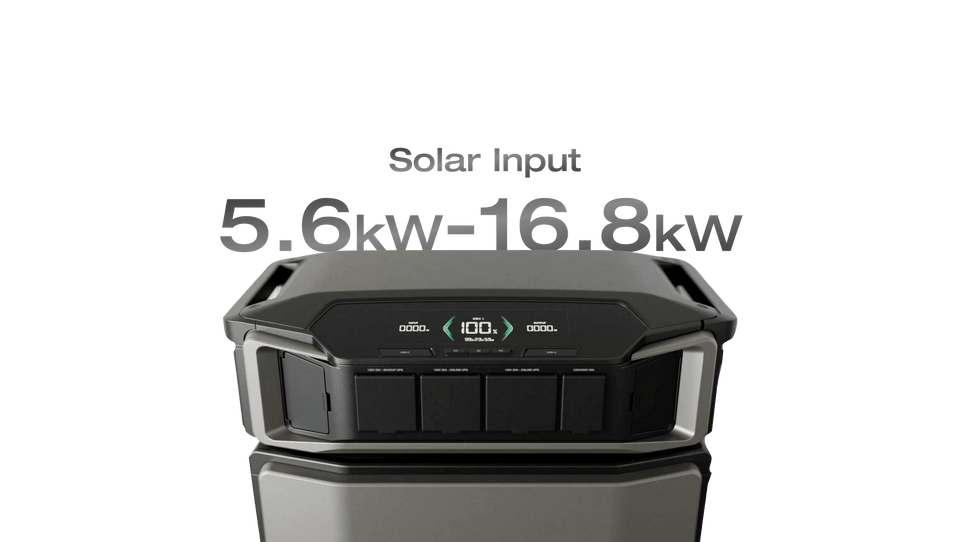
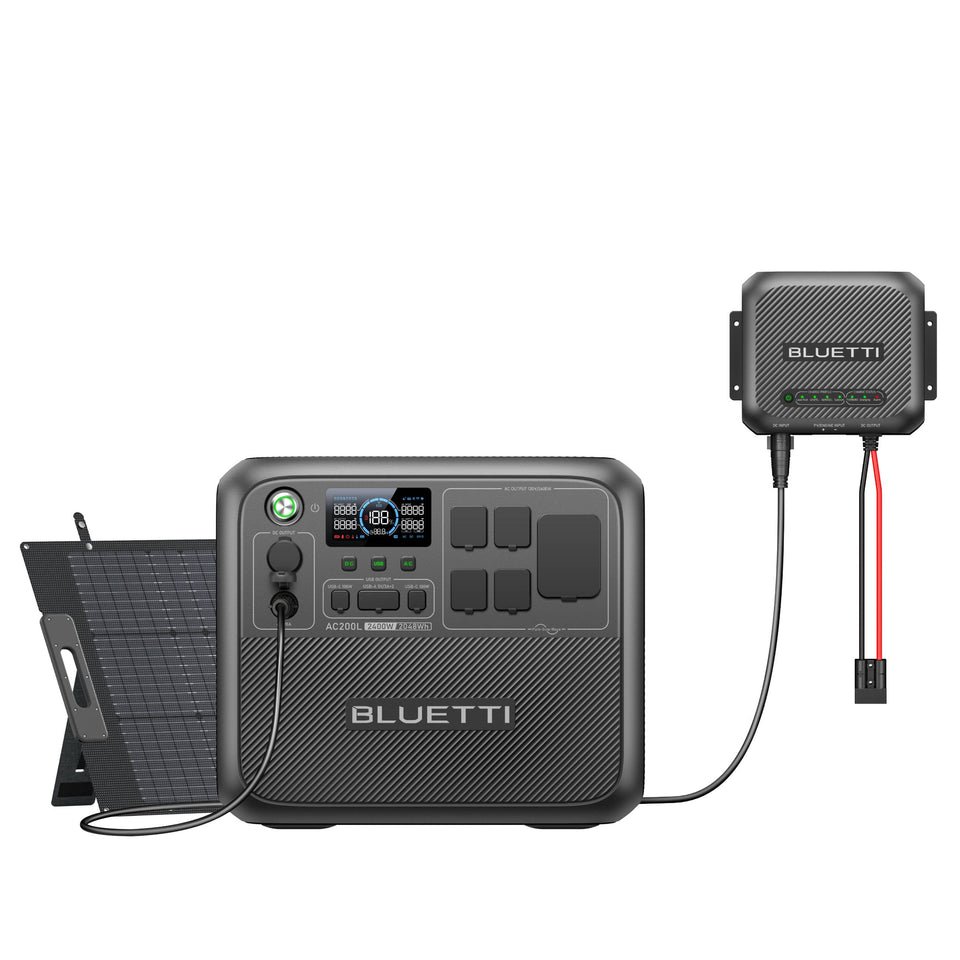
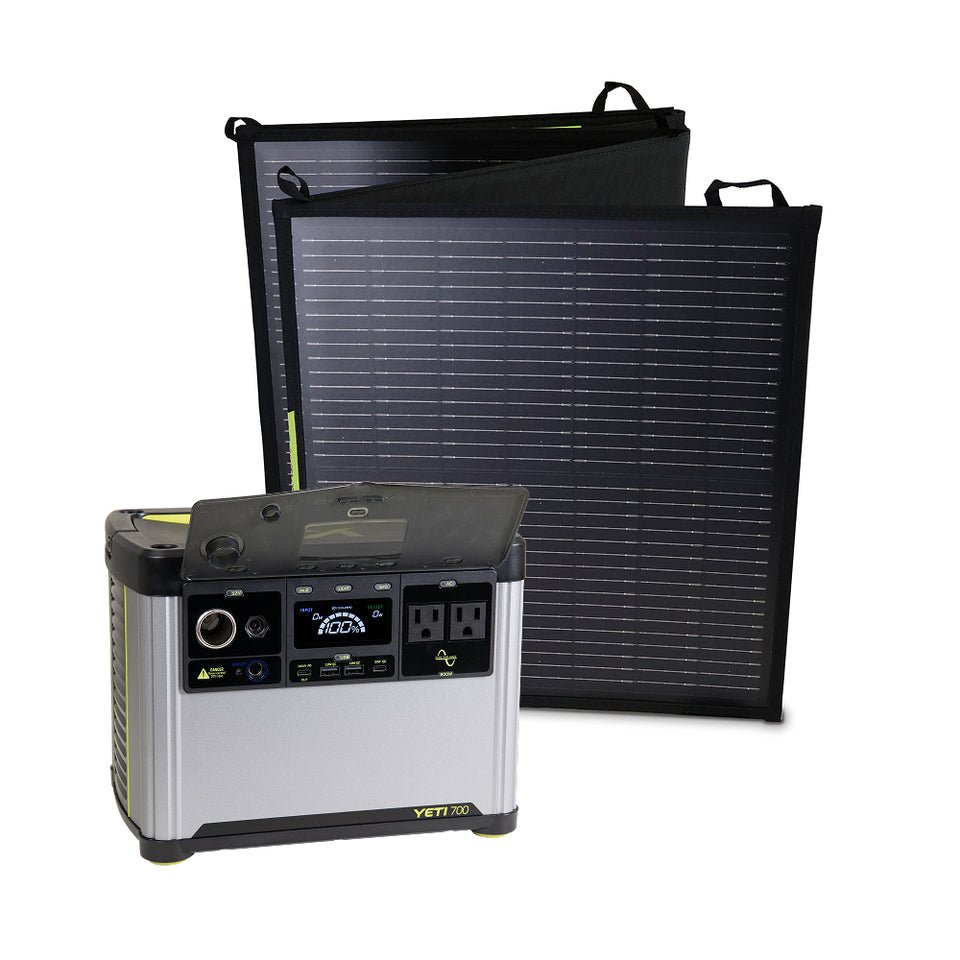
Visual overview of the three core US backup categories evaluated across SolarGeneratorWholeHouse using official manufacturer imagery.
Last Updated: November 24, 2026