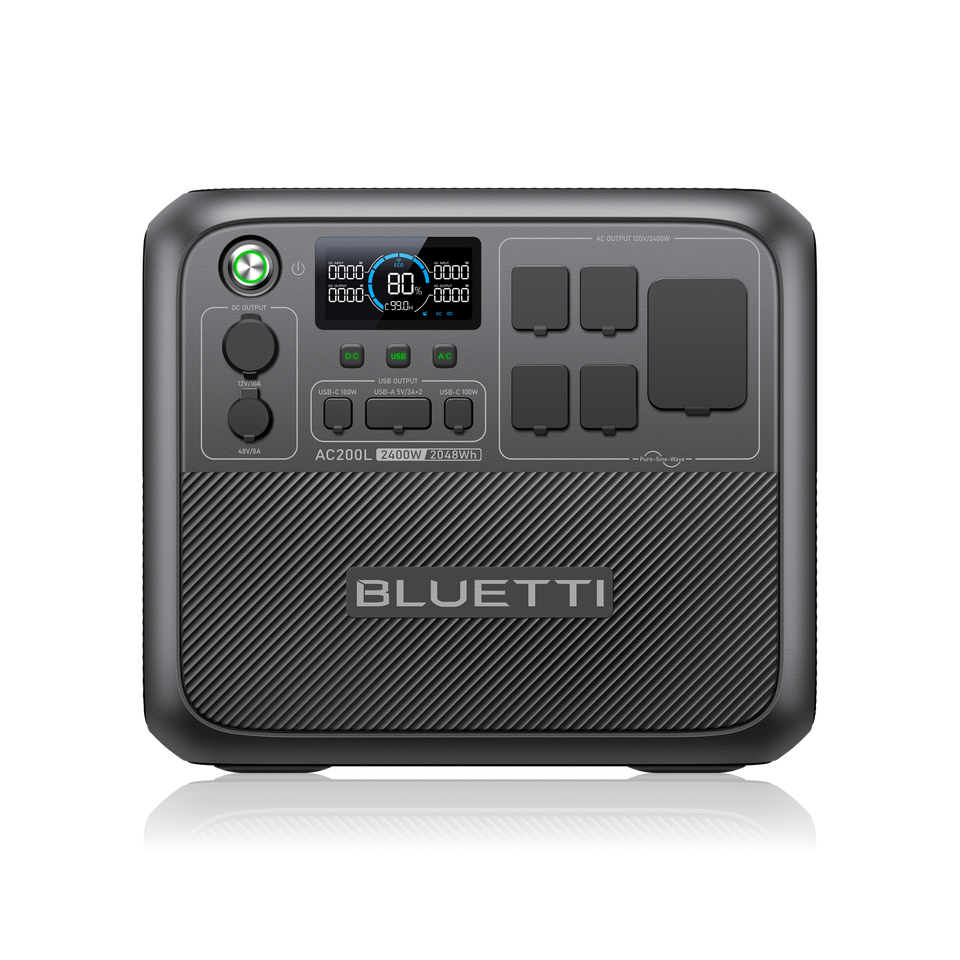
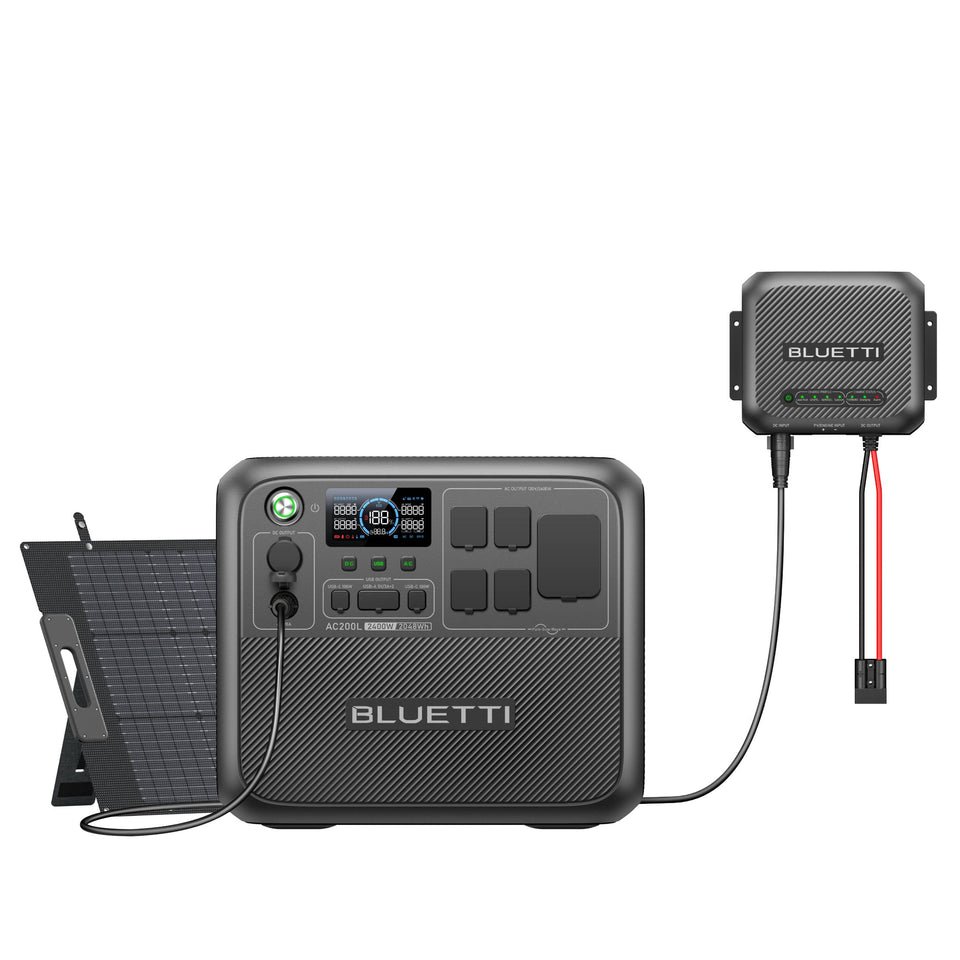
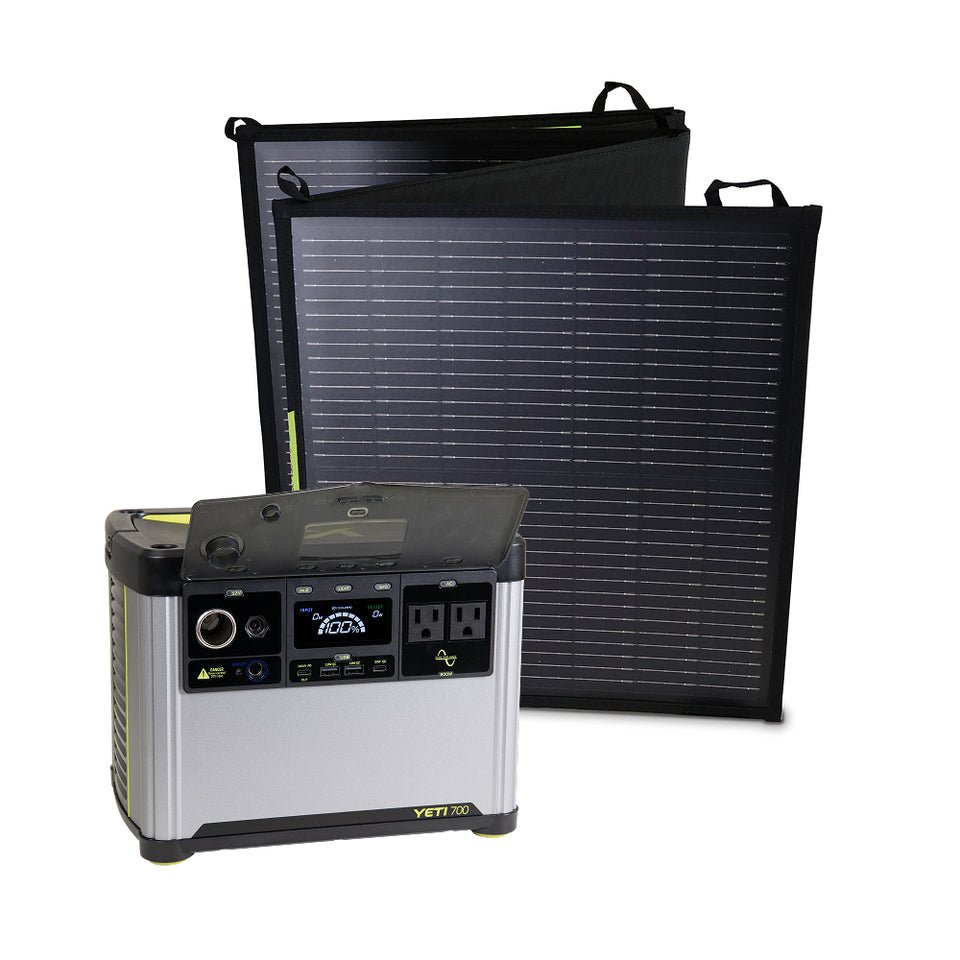
BLUETTI AC200L
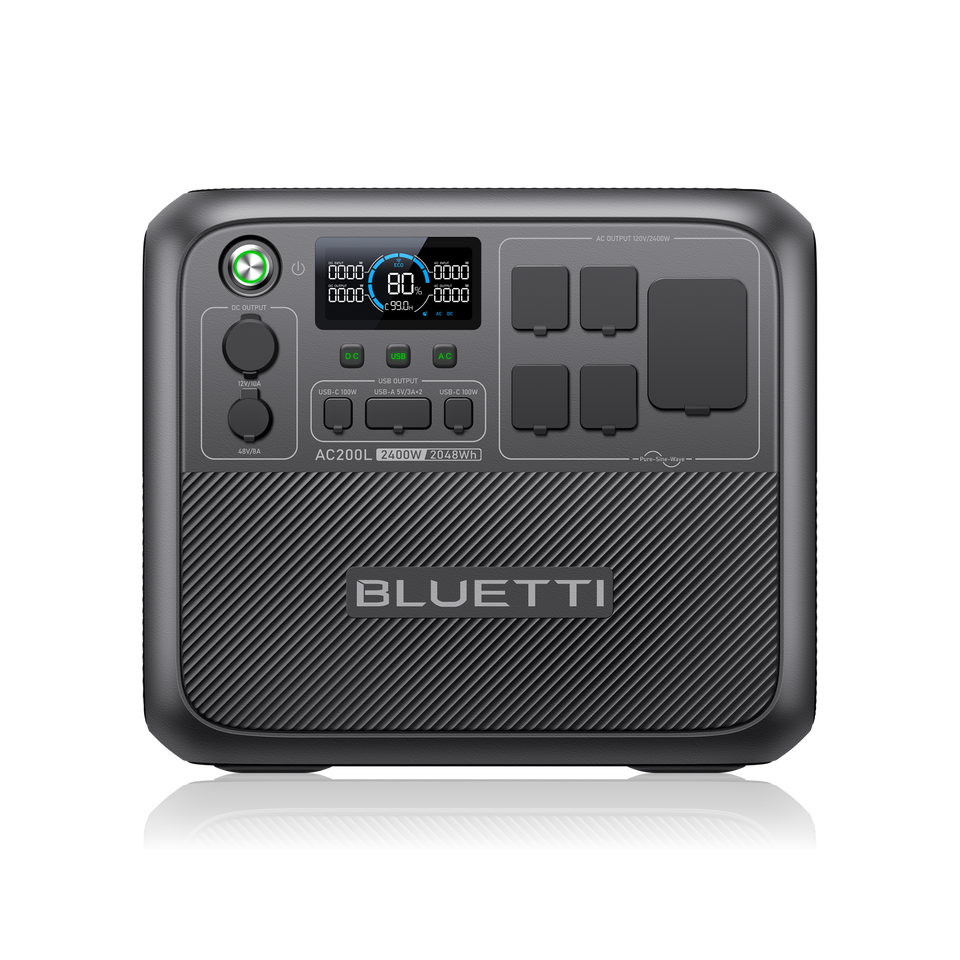
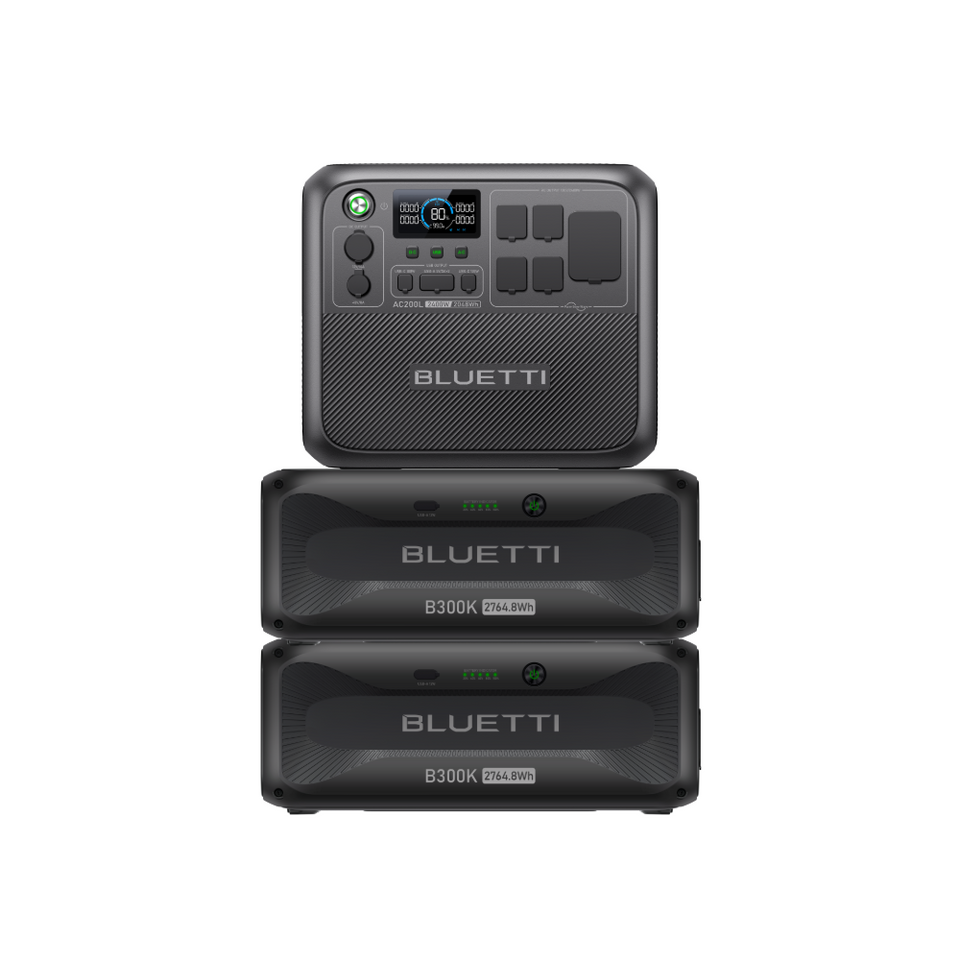
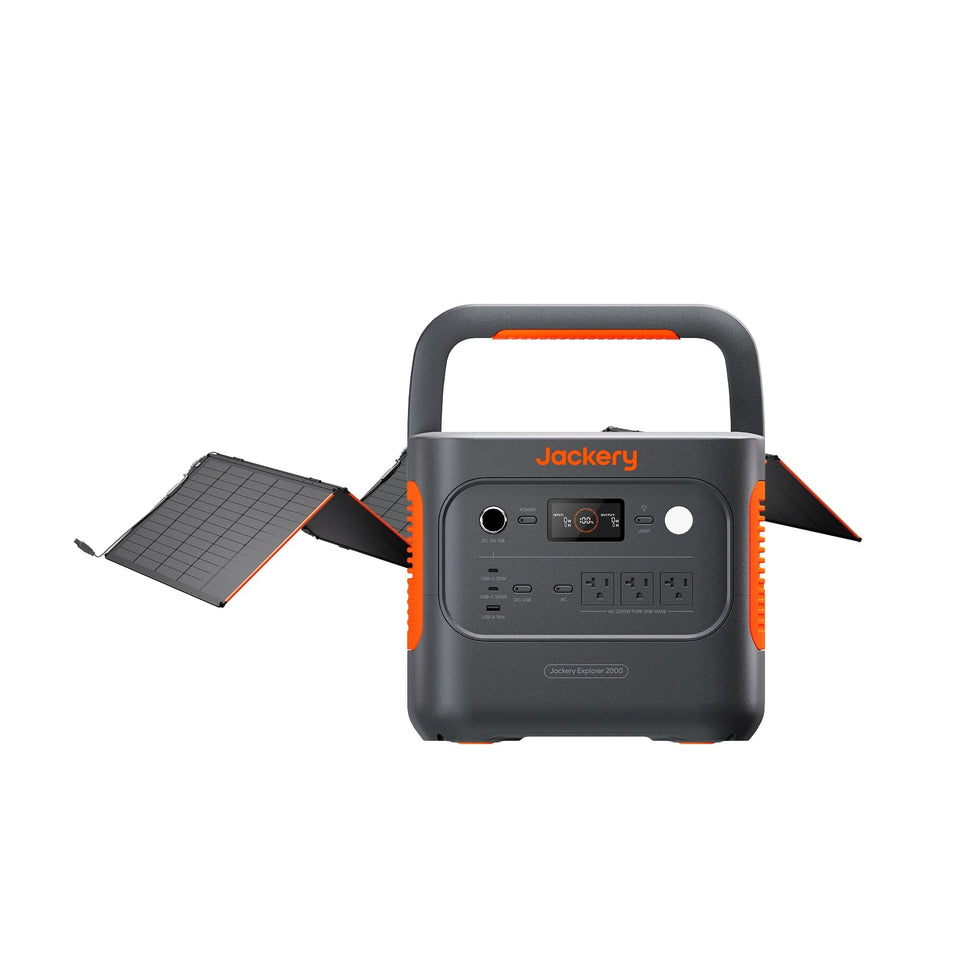
Combines a high-efficiency 2,048Wh expandable platform, 1,200W high-voltage solar input (12–145V), and dedicated 30A TT-30R + 48V DC RV outputs at strong street pricing, trading away light weight and built-in wheels.
We help US homeowners, campers, and RVers compare portable power stations and expandable backup batteries using verified manufacturer specs, attributed third-party tests, and transparent sizing math.
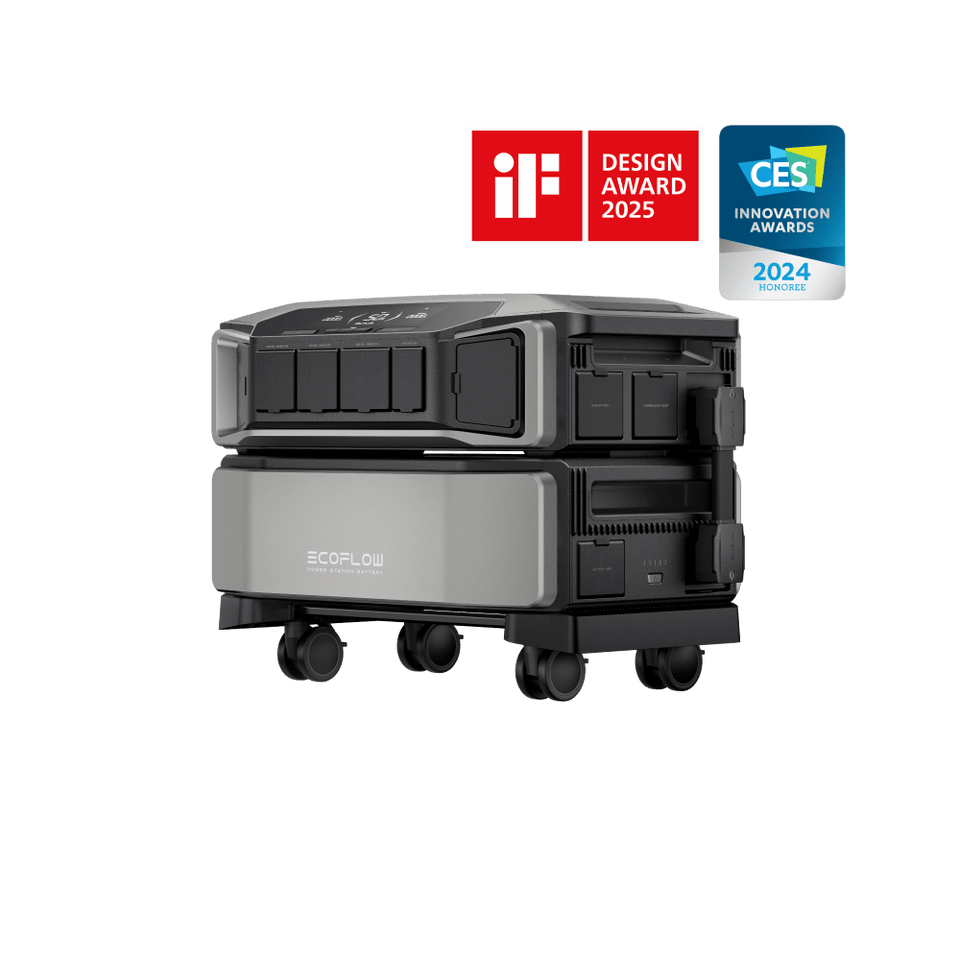
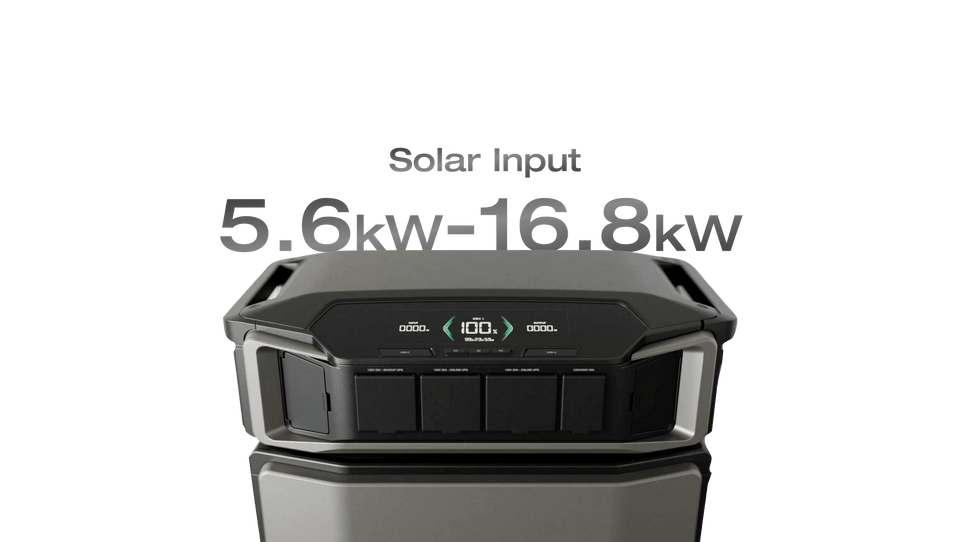
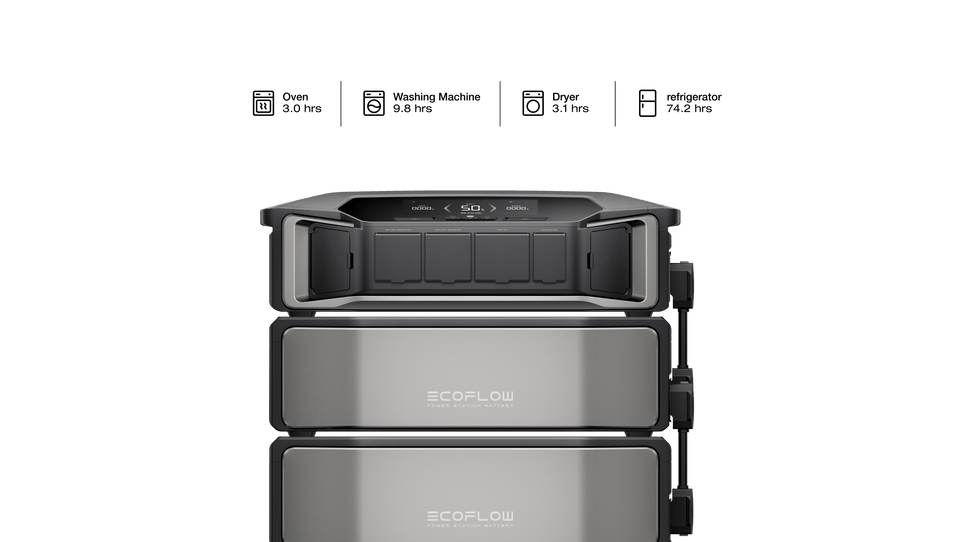
Built specifically for homeowners seeking high-voltage solar input (up to 5,600W) and modular 6kWh-per-stack scaling, though total kit cost and modular footprint exceed casual portable needs.

A 6,000Wh 240V home tower is overkill for weekend car camping, just as a 300Wh travel pack cannot protect a refrigerator. Choose your category below.
Compare 120V essential circuit backups vs 240V split-phase systems with transfer equipment considerations.
Focused on MPPT solar input speed, Voc voltage windows, and off-grid solar kit value.
Stations with 30A TT-30R outlets, high-current 12V/48V DC outputs, and road-friendly solar MPPT ranges.
Carry weight, USB-C PD ports, quiet fan behavior, and under-$500 / under-$1,000 portability picks.
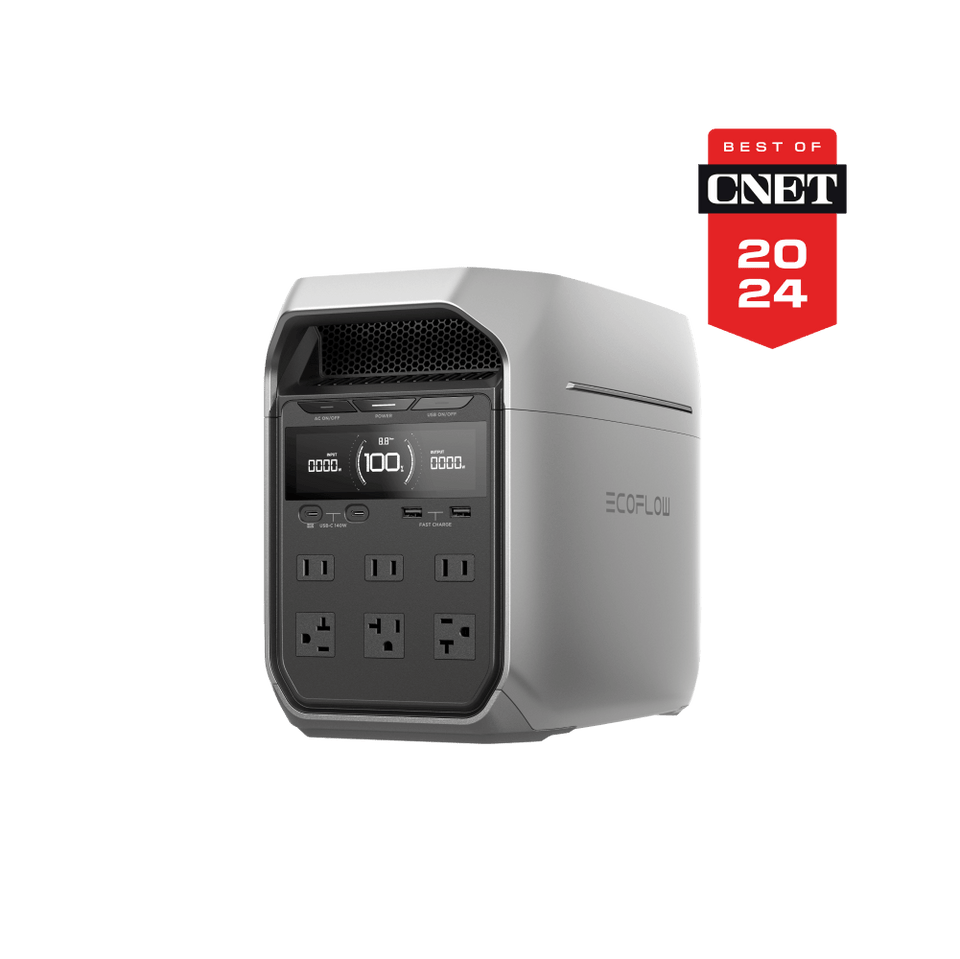
Balanced midsize and compact picks spanning high-efficiency 2kWh backup, ultralight 2kWh portability, and sub-10ms 1kWh solar fast-charging.
Combines a high-efficiency 2,048Wh expandable platform, 1,200W high-voltage solar input (12–145V), and dedicated 30A TT-30R + 48V DC RV outputs at strong street pricing, trading away light weight and built-in wheels.
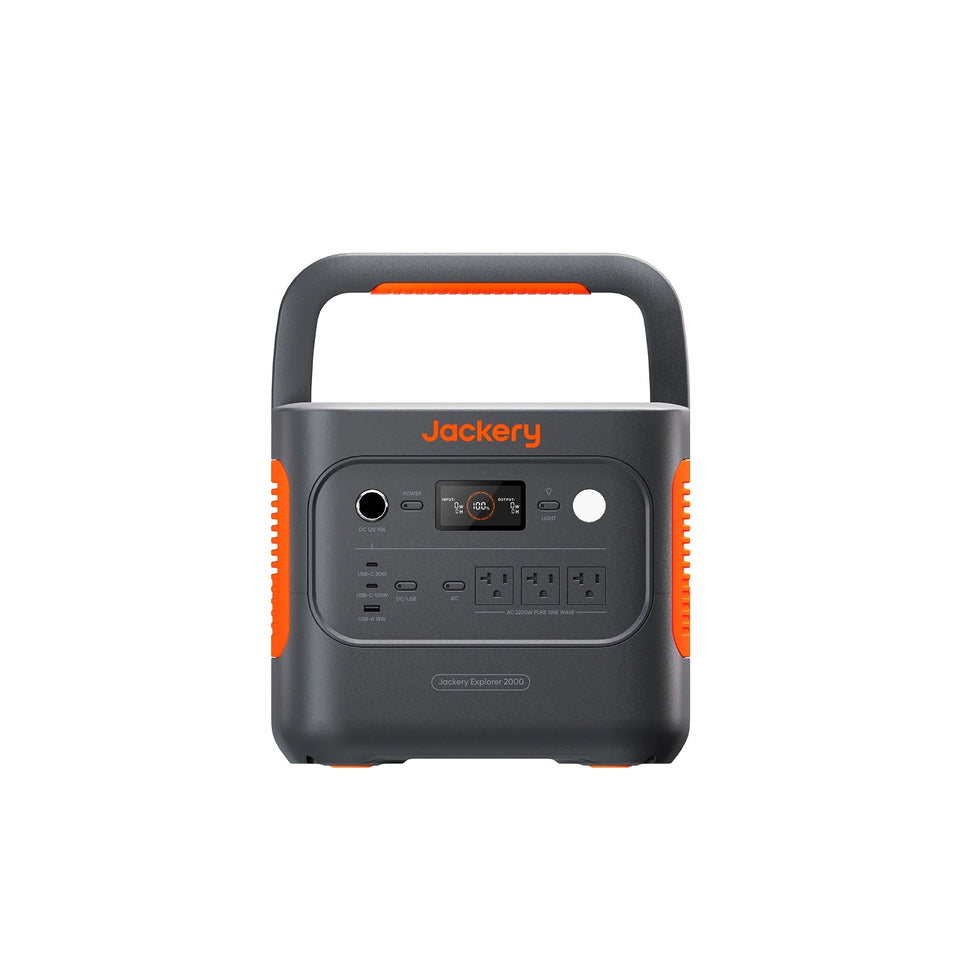
A breakthrough 39.5 lb chassis makes 2,042Wh genuinely single-hand portable for camping and apartments, provided you accept its 400W solar recharge ceiling and non-expandable battery.
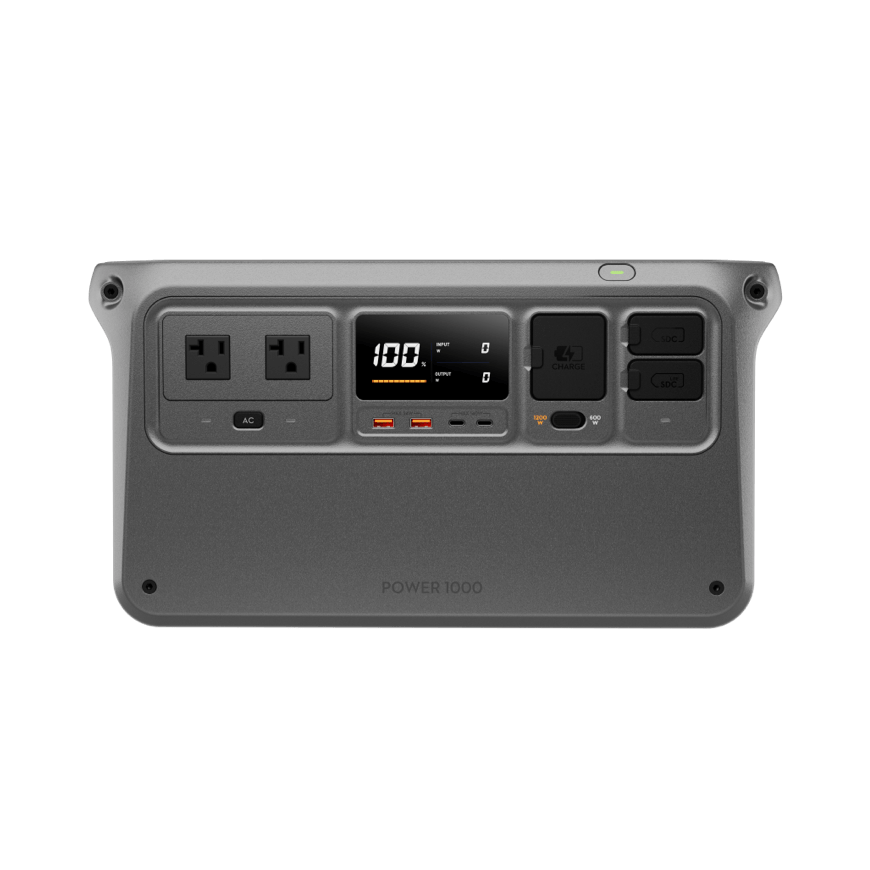
Packs 1,000W dual-MPPT solar charging, sub-1-hour AC replenishment, and a sub-10 ms HID-capable UPS into a 27.6 lb chassis, making it more versatile than non-Plus 1kWh units.
Expandable 120V/240V split-phase systems engineered for critical home circuits when integrated with proper transfer equipment.
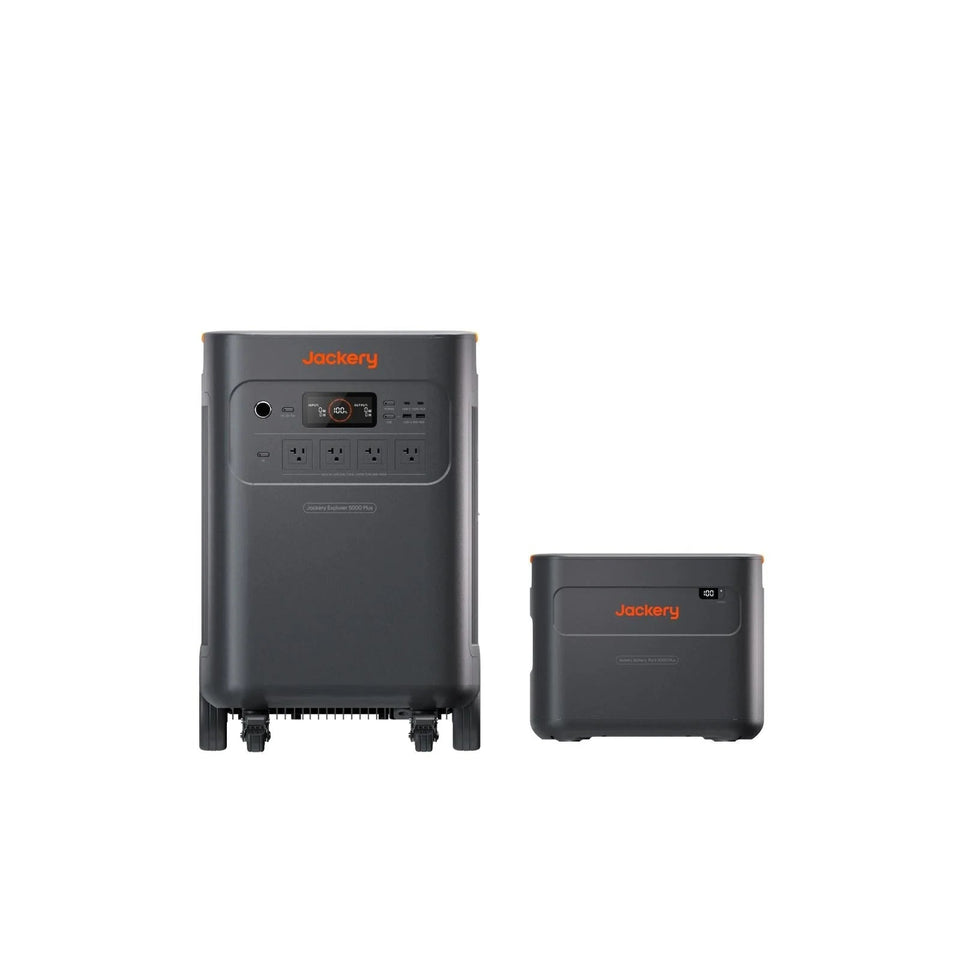
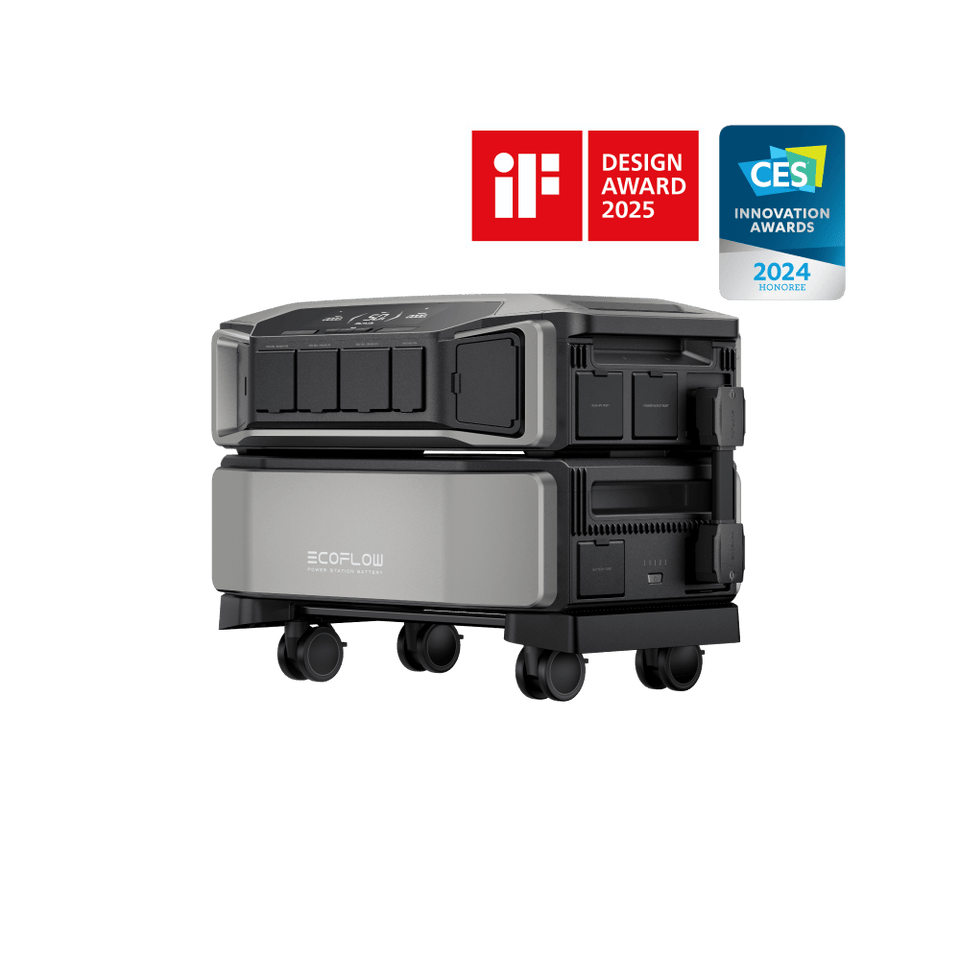
Built specifically for homeowners seeking high-voltage solar input (up to 5,600W) and modular 6kWh-per-stack scaling, though total kit cost and modular footprint exceed casual portable needs.
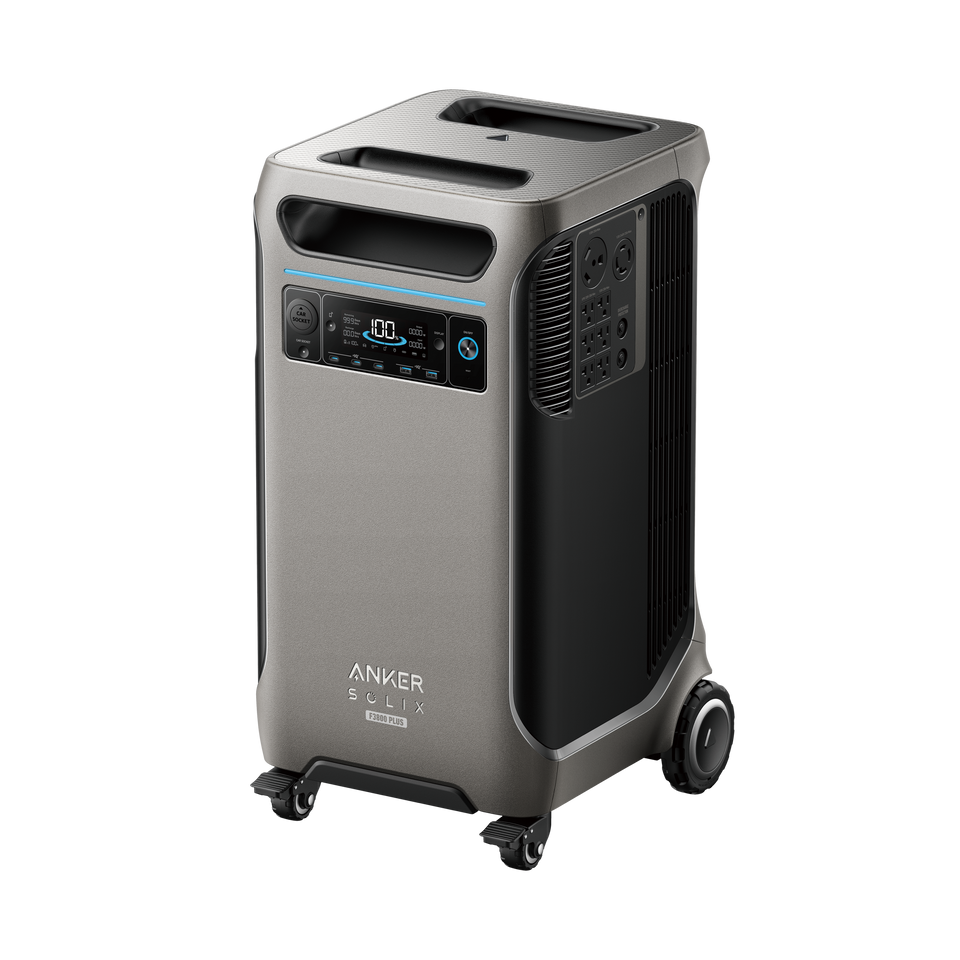
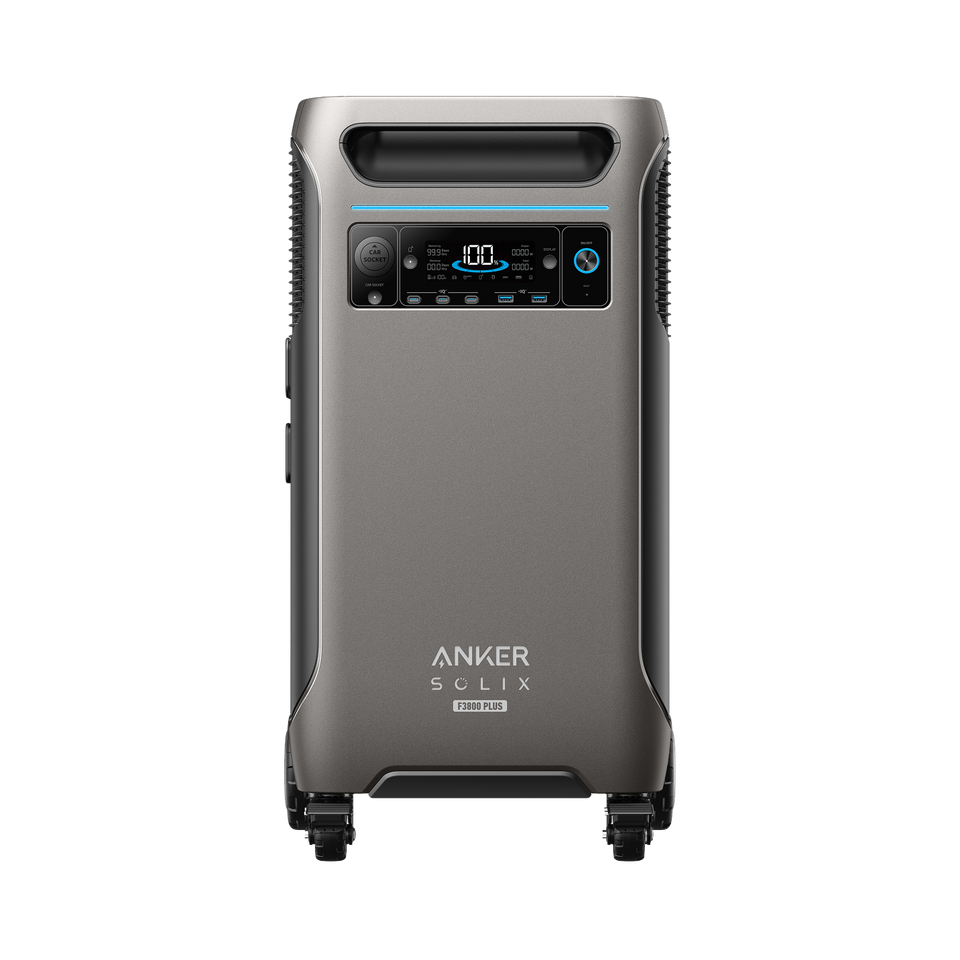
Combines a 5,040Wh LFP core, 7,200W split-phase output, 14,400W published surge headroom, and both High-PV (135–450V) and Low-PV solar inputs in a single wheeled chassis.
One of the most approachable plug-and-play 120V/240V wheeled units thanks to built-in NEMA 14-50R and L14-30R ports, though high idle overhead on light loads and the 60V solar cap (on the original non-Plus SKU) require careful sizing.
Every calculator exposes its assumptions, separates rated vs measured usable Wh, and avoids hidden multipliers.
Calculate running wattage, single-motor startup surge vs simultaneous peak, and daily Wh needs.
Estimates AC and DC runtime ranges using attributed 3rd-party usable Wh where verified.
Respects manufacturer MPPT wattage caps and realistic sky conditions without wiring guesswork.
Compare any two models across 13 verified technical specs, provenance, and trade-offs.
Strictly separates advertised $/rated Wh from measured $/usable AC Wh where third-party data exists.
Filter by use case, budget, capacity, continuous watts, weight, solar input, 240V, and UPS speed.
Decision-focused head-to-head guides highlighting real-world trade-offs.
Explore brand ecosystems, battery chemistries, warranties, and reviewed US models.
Browse 14 structured technical guides across 7 core topics.
Understand how US 120V/240V split-phase residential power works conceptually, which home appliances need 240V vs. 120V, and why transfer hardware and licensed installation matter.
Learn how continuous inverter wattage differs from peak surge ratings, why undisclosed surge duration matters for electric motors, and why resistive boost modes cannot run inductive loads.
Best practices for long-term storage state of charge, freezing-temperature charging limits, summer heat avoidance, ventilation clearances, IP ratings, and electrical safety.
Calculate realistic solar recharge times using NREL peak sun hours, panel derating factors, MPPT clipping limits, and battery charging overhead.
Learn how expandable portable power stations scale from 1kWh to 60kWh+, the difference between true parallel expansion and DC power-bank charging, and compatibility pitfalls.
Compare LiFePO4 (LFP) and Lithium NMC battery chemistries across cycle life ratings, thermal stability, weight, cold-weather limits, and capacity retention specs.
Clear breakdown of original Anker SOLIX F3800 (Model A1790) vs. F3800 Plus solar voltage limits, PV wattage upgrades, and outlet changes—plus why SKU verification matters.
How to size a quiet portable power station for overnight or multi-day CPAP outages—comparing heated humidifier draw, DC adapters vs. AC inverter overhead, and UPS behavior.
Compare low-voltage (11–60V), mid-voltage (12–165V), and high-voltage (80–450V) MPPT solar inputs across modern portable power stations without wiring guesswork.
Compare MSRP vs. typical US street price per rated Wh across 12 verified LFP models—and learn why measured usable AC Wh, warranty length, and solar specs shift true value.
Audited US specifications, Voc solar limits, warranty terms, and street pricing across 12 models and 11 category buying guides.