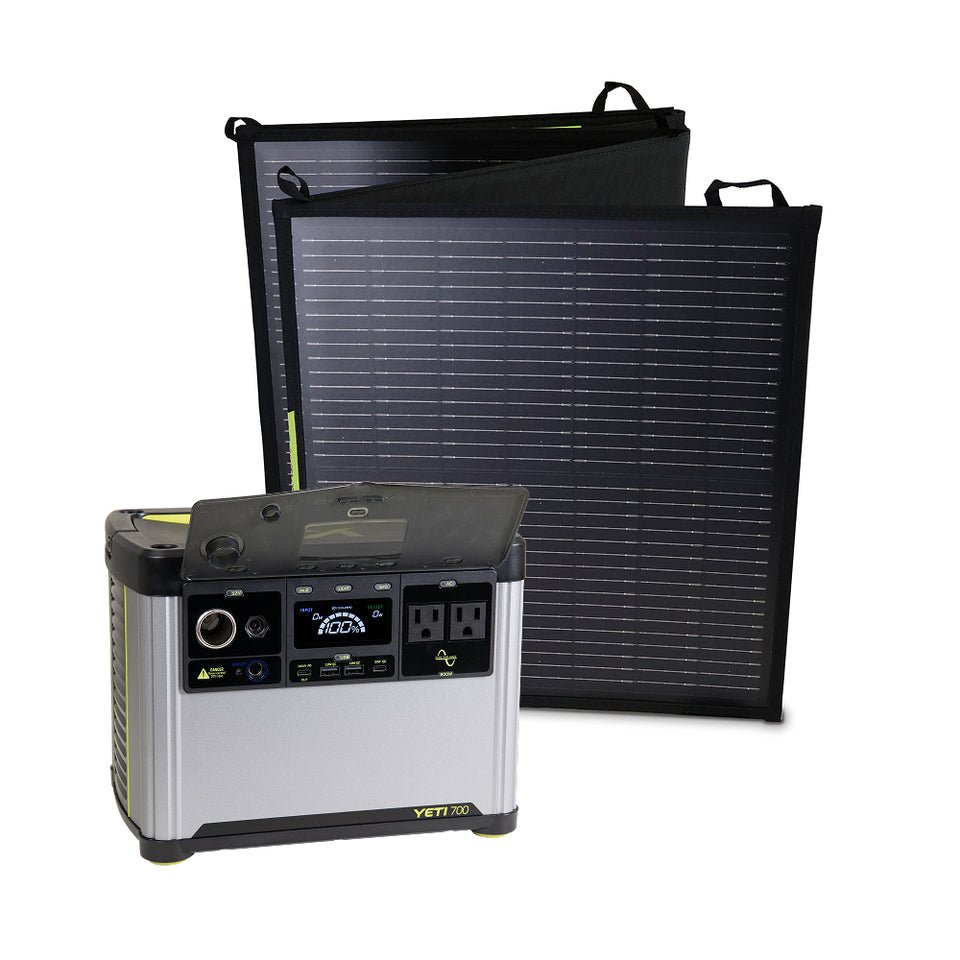
Solar Generator & Home Backup Learning Center
Every guide explains real electrical limits, battery chemistry, efficiency losses, and US transfer equipment considerations using manufacturer documentation and independent public standards.
A. Buying Guides
Capacity sizing, wattage math, and generator comparisons.
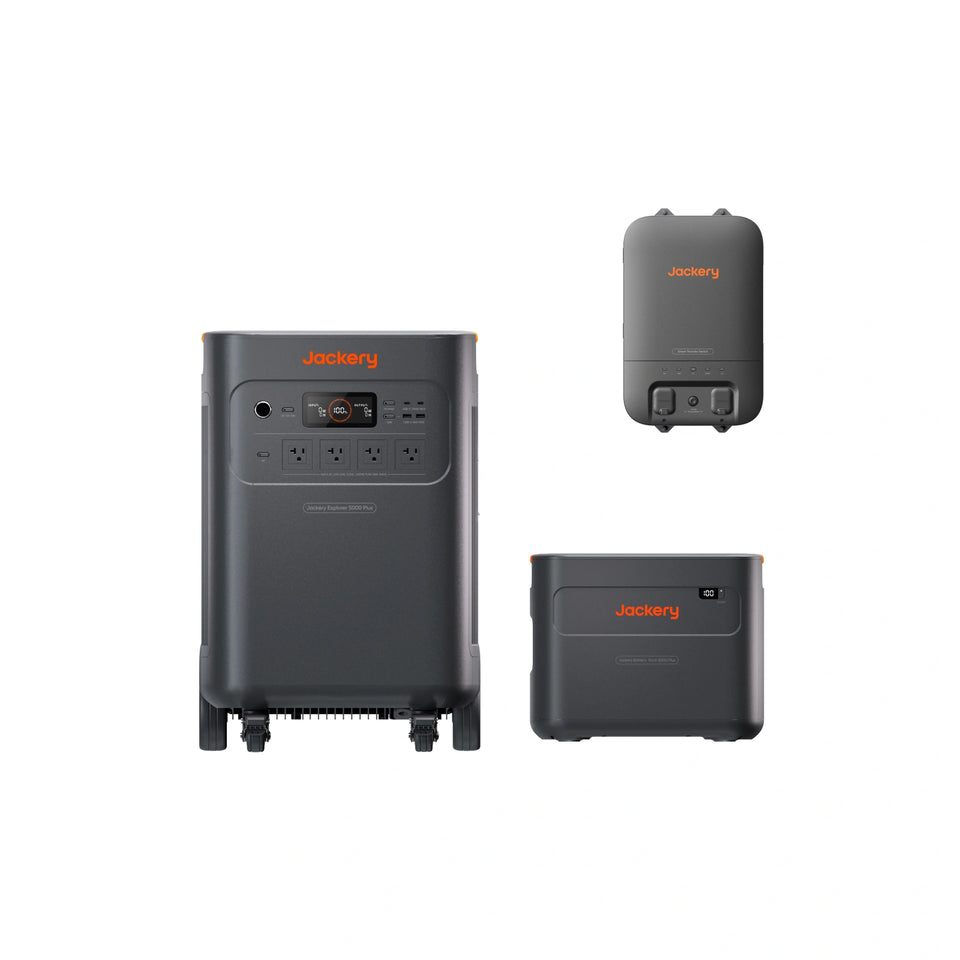
Portable Power Station vs. Gas Generator: Noise, Safety, Runtime & Cost Trade-Offs
An objective comparison of lithium portable power stations and gas or dual-fuel inverter generators for home backup, indoor safety, multi-day outages, and hybrid pairing.
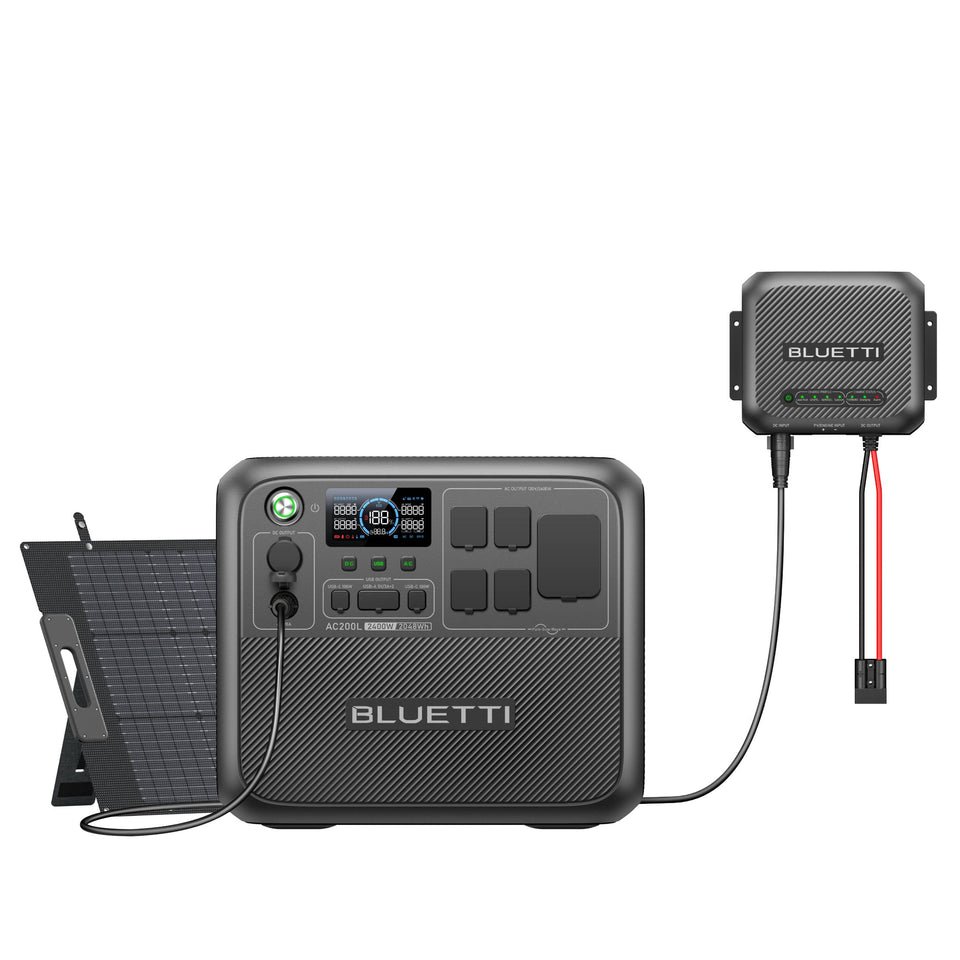
How to Choose a Portable Power Station: Complete Sizing & Spec Guide
A five-step framework for sizing continuous watts, startup surge, rated vs. usable watt-hours, output ports, solar Voc limits, and warranty coverage for US buyers.
B. Battery Technology
LiFePO4 vs NMC chemistry, cycle life, and modular expansion.
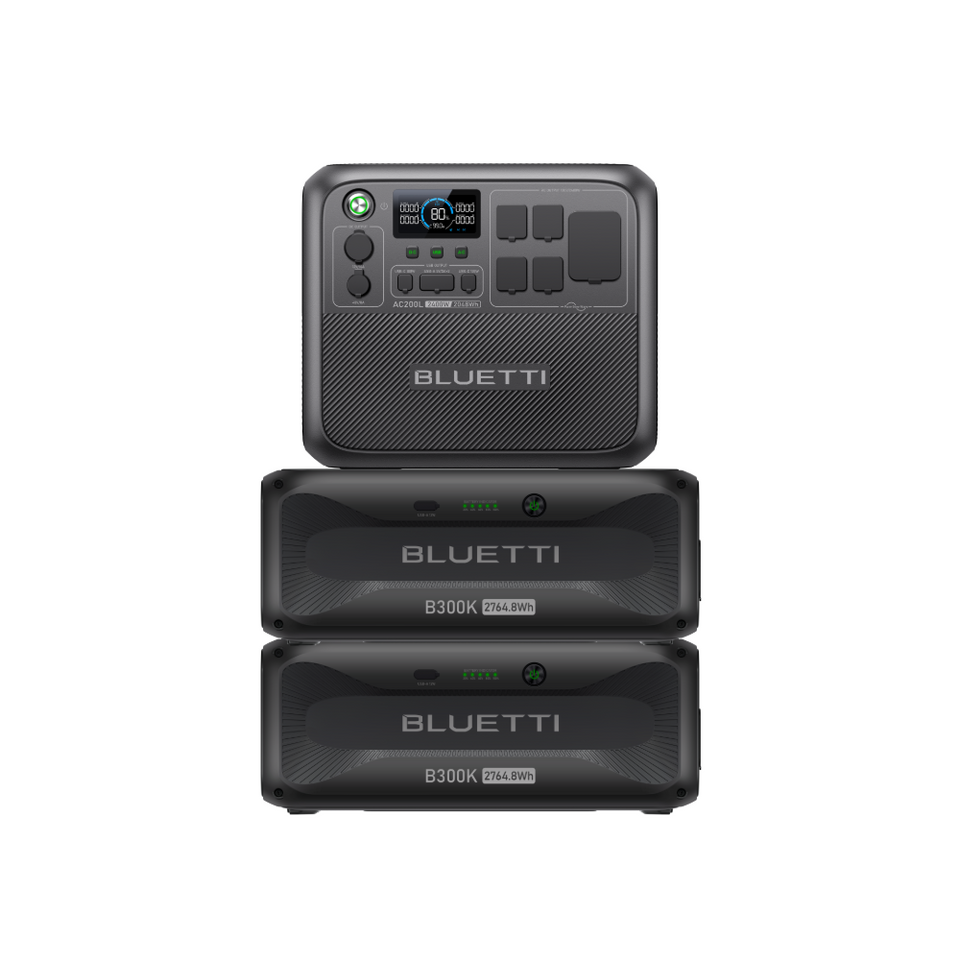
Expandable Battery Systems Explained: Modular Stacks, Cascade Cables & Hidden Costs
Learn how expandable portable power stations scale from 1kWh to 60kWh+, the difference between true parallel expansion and DC power-bank charging, and compatibility pitfalls.
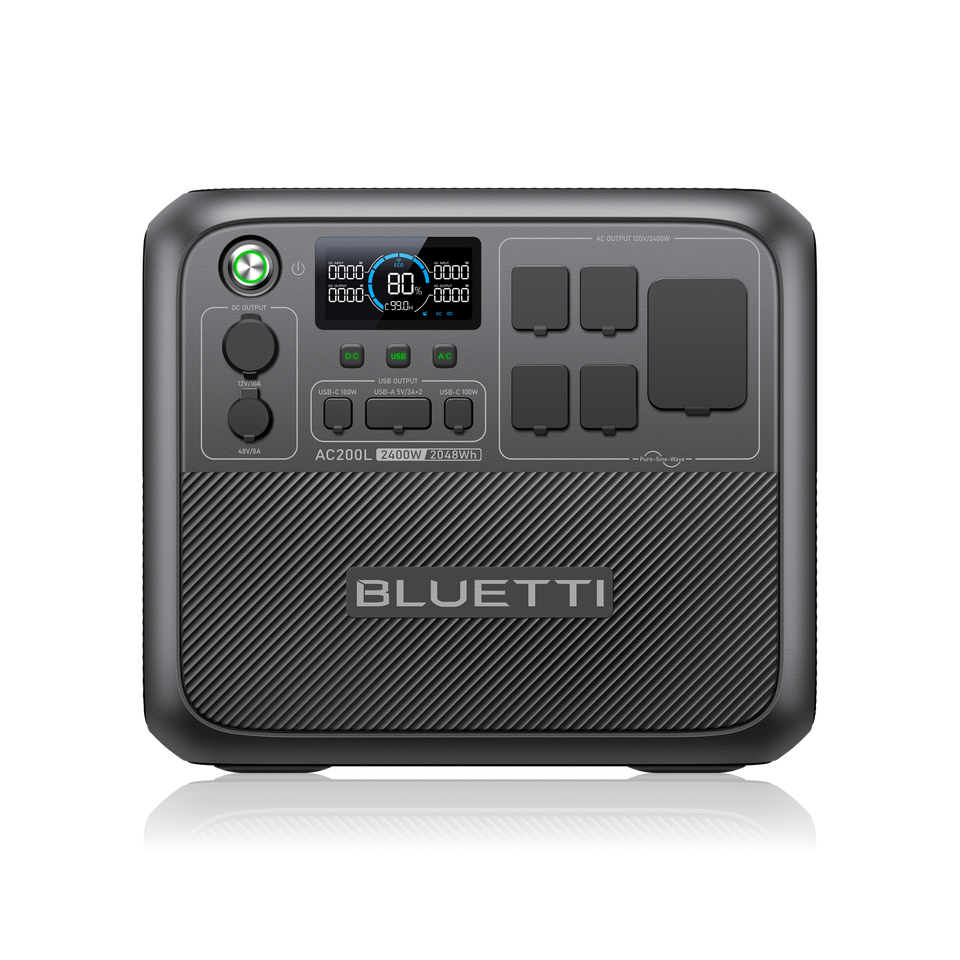
LiFePO4 (LFP) vs. NMC Batteries in Portable Power Stations: Cycle Life, Weight & Safety
Compare LiFePO4 (LFP) and Lithium NMC battery chemistries across cycle life ratings, thermal stability, weight, cold-weather limits, and capacity retention specs.
C. Technical Knowledge
Wh vs W, surge ratings, pure sine wave, MPPT, and UPS switching.
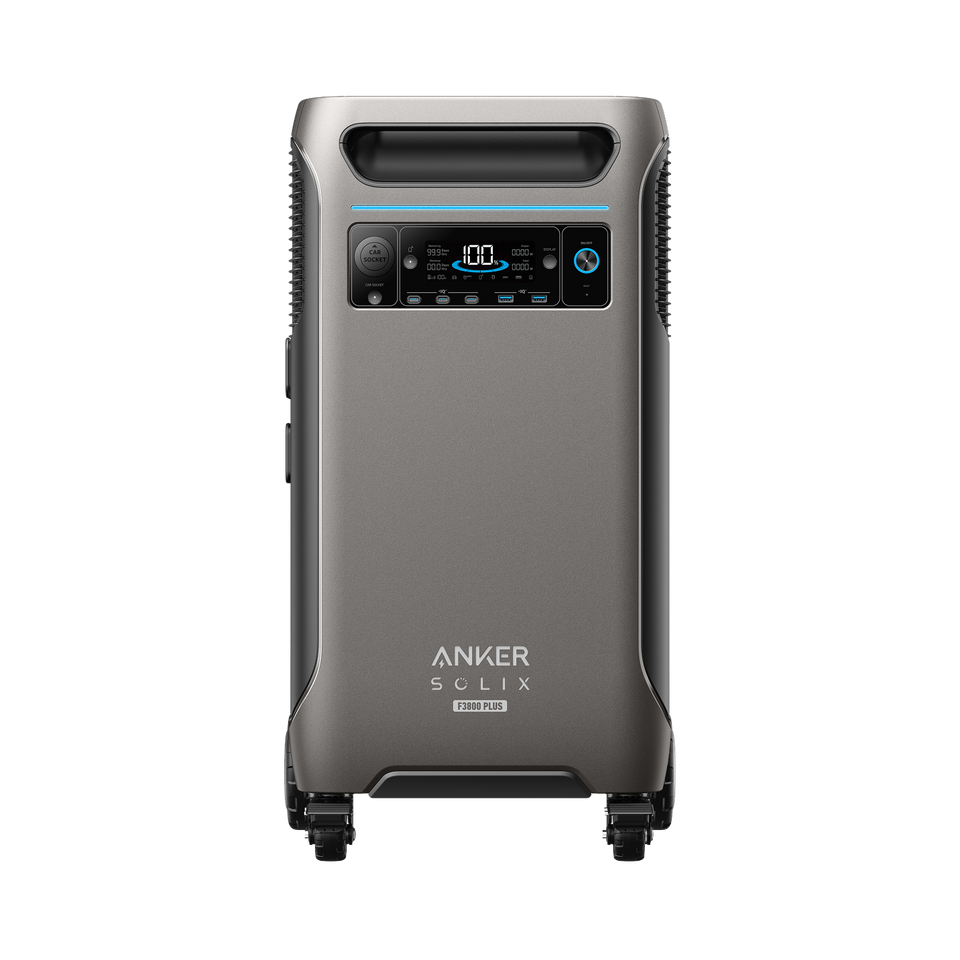
Continuous Output vs. Surge Output: Why Startup Spikes & Boost Modes Matter
Learn how continuous inverter wattage differs from peak surge ratings, why undisclosed surge duration matters for electric motors, and why resistive boost modes cannot run inductive loads.

Understanding Power Station Efficiency: Why Rated Wh Never Equals Usable AC Energy
Learn why rated battery capacity is always higher than delivered AC watt-hours, how inverter idle draw shrinks low-load runtime, and what third-party tests reveal.
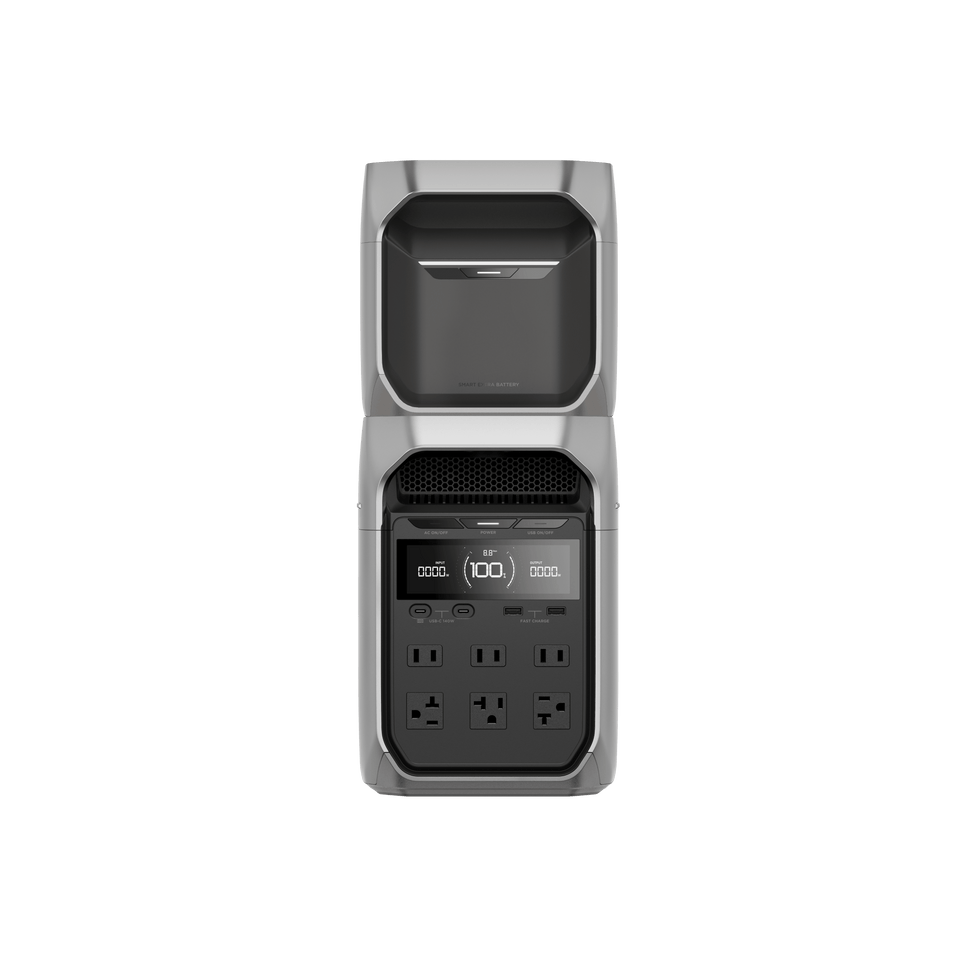
What Is UPS & EPS Switching in Portable Power Stations? (0ms vs <10ms vs 20ms)
Understand the difference between 0ms Online UPS, sub-10ms fast standby UPS, and <=20ms EPS switchover in portable power stations, plus HID shutdown and battery wear considerations.
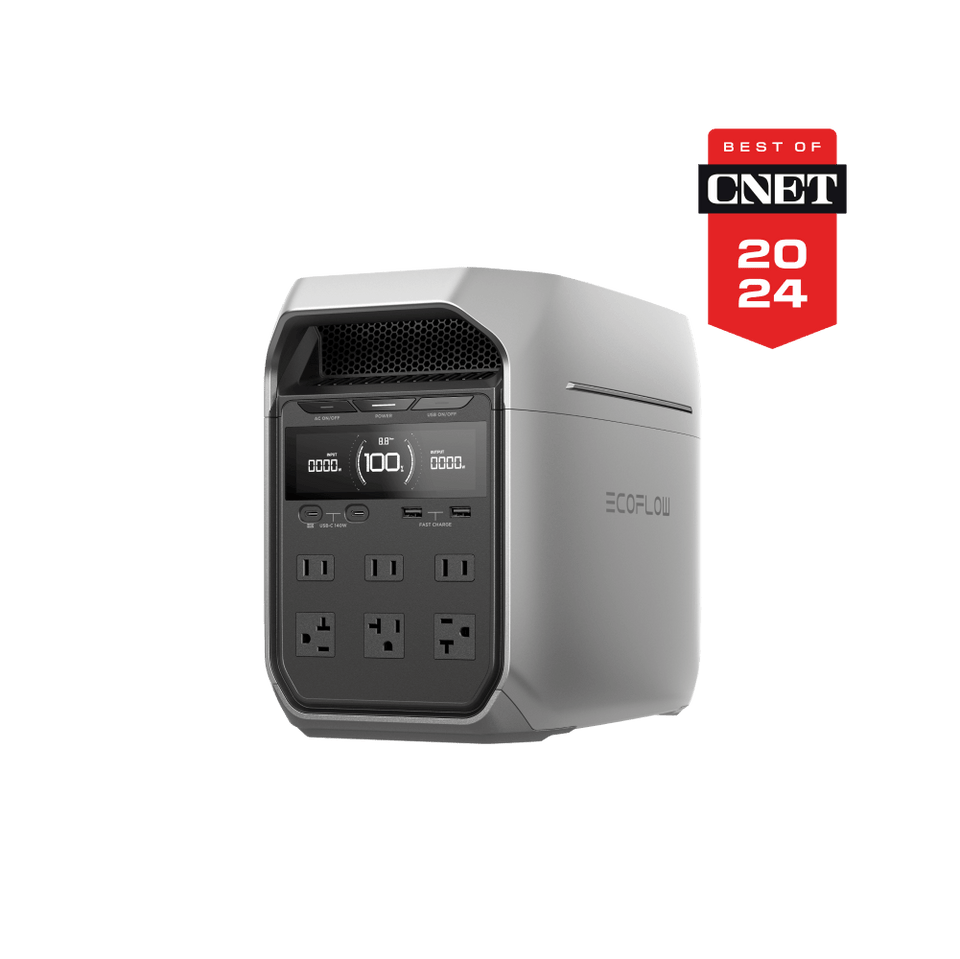
Watt-Hours (Wh) vs. Watts (W) Explained: Capacity vs. Power Output
Understand the crucial difference between battery capacity in Watt-hours (Wh) and inverter power output in Watts (W) so you never under-size your portable power station.
D. Solar Charging
Solar input limits, Voc safety windows, and charge-time estimates.
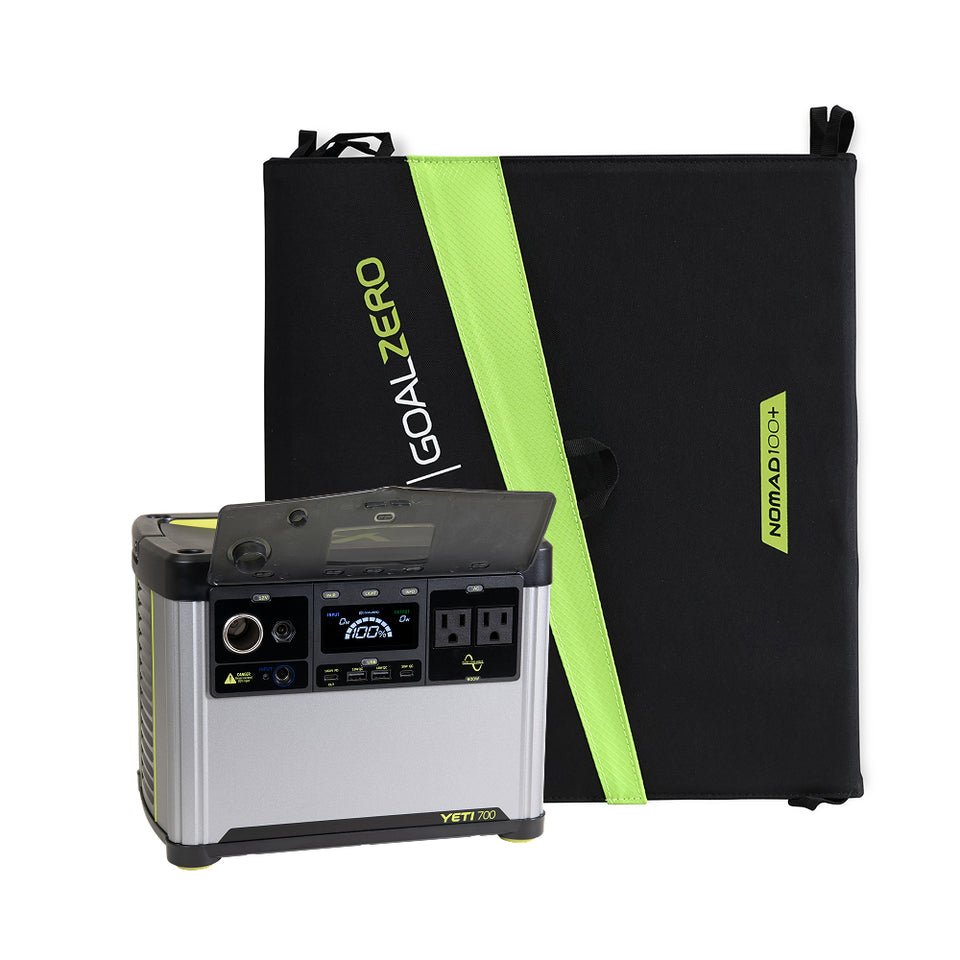
How Long Does It Take to Charge a Power Station With Solar? Real-World Estimates
Calculate realistic solar recharge times using NREL peak sun hours, panel derating factors, MPPT clipping limits, and battery charging overhead.
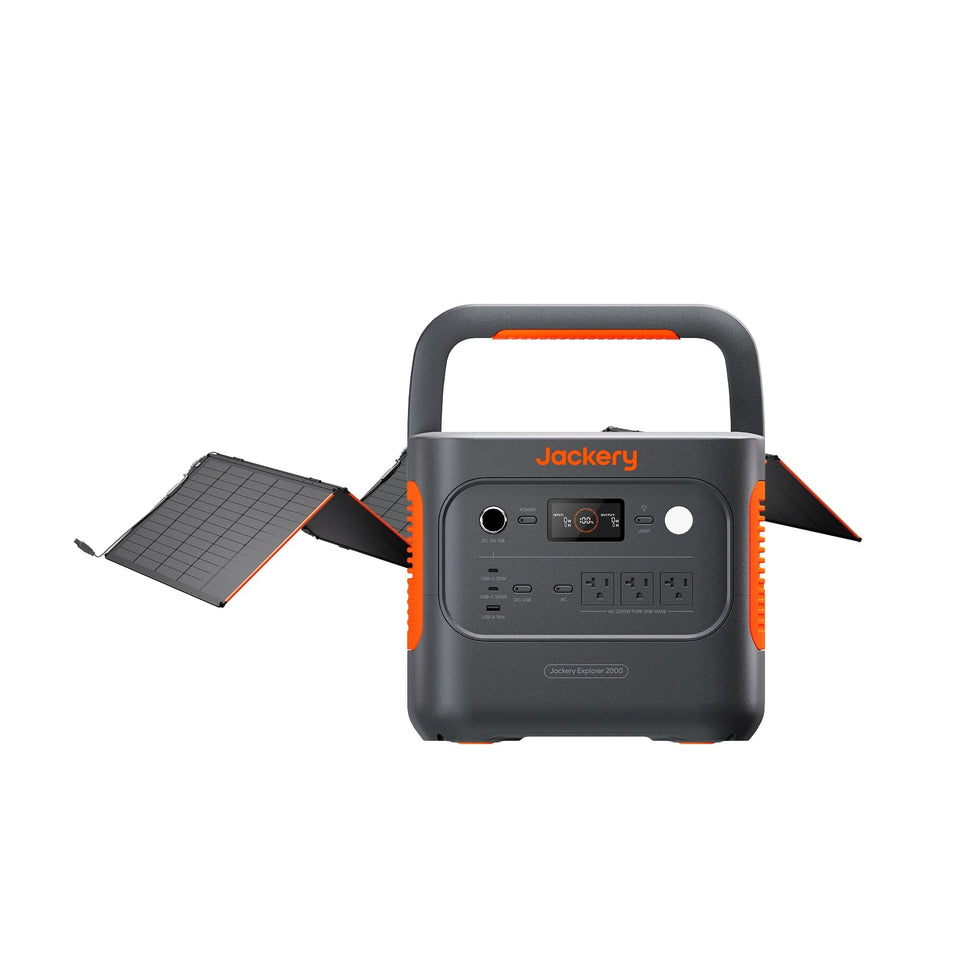
Solar Input Limits & MPPT Explained: Voc Ceilings, Cold Weather & Panel Sizing
Learn how MPPT controllers, open-circuit voltage (Voc) ceilings, cold-weather voltage spikes, and current clipping work conceptually on portable power stations.
E. Home Backup
120V vs 240V split-phase, essential loads, and transfer equipment.

120V vs. 240V Home Backup Explained: Split-Phase Circuits, Well Pumps & Transfer Safety
Understand how US 120V/240V split-phase residential power works conceptually, which home appliances need 240V vs. 120V, and why transfer hardware and licensed installation matter.
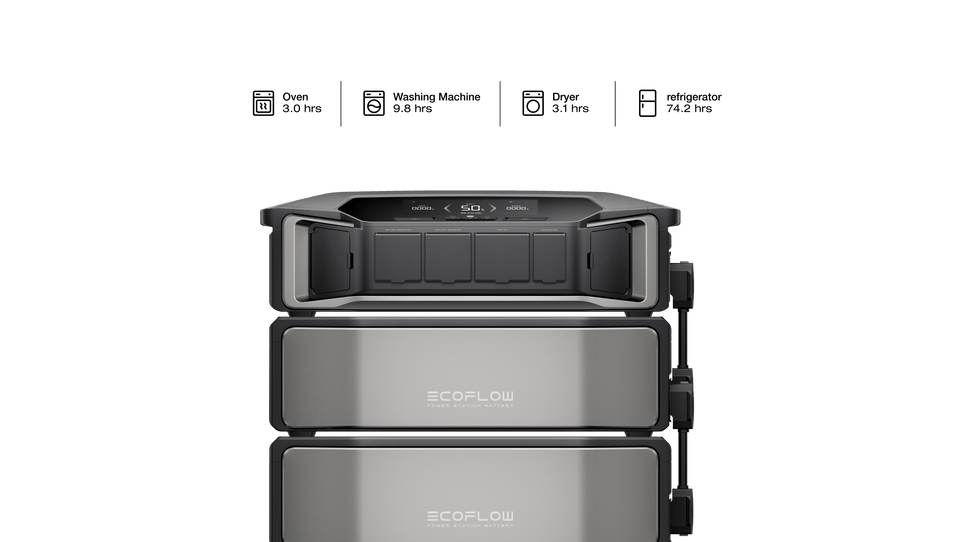
Transfer Equipment & Professional Installation: Safe Home Backup Integration
Conceptual overview of extension-cord isolation, manual transfer switches, listed interlock kits, smart home panels, NEC compliance, and why licensed electricians are essential.
F. RV, Camping & Off-Grid
TT-30R RV readiness, portable loads, and outdoor planning.
G. Maintenance & Safety
Storage best practices, cold weather charging, and warranties.