What Can a 2,000-Watt Solar Generator Run? Load Matrix & Runtime Guide
See what a 2,000W solar generator actually runs: 120V surge limits, 1.1–1.5 hr heating loads, >29h CNET fridge data, and AC200L vs. 2000 v2 vs. Pecron.
A 2,000W-class 120V solar generator (typically paired with a 1,536Wh–2,048Wh LiFePO4 battery and 3,600W–4,400W surge ceiling) runs refrigerators, routers, sump pumps, microwaves, and power tools safely. However, 1,200W–1,500W resistive heaters drain 2,048Wh in roughly 1.1–1.5 hours at 78%–88% AC efficiency, and 240V well pumps or dryers cannot run on 120V-only inverters.
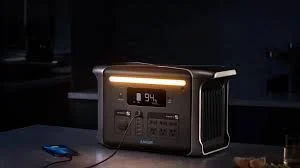
Most buyer disappointment with a 2,000-watt solar generator traces back to mixing up two separate electrical limits. Seeing "2,000W" on a product box tells you how fast power can flow out of the AC outlets at one instant—not how big the energy tank is, nor whether your heavy home appliances use 120V or 240V wiring.
In real US blackout and RV scenarios, a modern 2,000W-class unit (usually carrying a 2,048Wh or 1,536Wh LiFePO4 battery and 3,600W–4,400W surge rating) handles nearly any single 120V cord-and-plug household appliance. Knowing exactly where it hits the wall—either on inverter wattage, watt-hour depletion, or split-phase voltage—prevents an expensive sizing mistake.
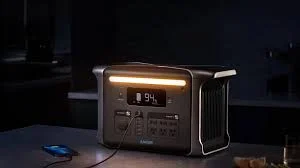
Two Separate Bottlenecks: 2,000W Inverter Ceiling vs. 2,048Wh Tank Size
Before plugging in an appliance, separate the two numbers printed on every spec sheet (explore the full math in Watt-Hours vs. Watts Explained):
- The Power Ceiling (
2,000W–2,400WContinuous /~4,000WSurge): This is the speed limit of the DC-to-AC pure sine wave inverter. If the combined running watts of everything switched on simultaneously exceed2,000W–2,400W(or if a motor’s starting spike exceeds the surge duration and ceiling), the inverter trips into overload protection. - The Energy Tank (
1,536Wh–2,048WhRated DC Storage): Watt-hours determine runtime. Because converting DC lithium cell voltage to 120V AC creates inverter switching heat, keeps internal electronics awake, and stops slightly before cell zero via the Battery Management System (BMS), expect roughly 78%–88% usable AC energy on moderate loads—roughly 1,600–1,800 Wh out of a2,048Whbattery (~1,200–1,350 Whout of1,536Wh).
When powering low-wattage DC electronics (laptops via 100W USB-C PD, 12V coolers, or DC CPAP setups) with the AC inverter switched OFF, usable efficiency climbs to roughly 88%–93%.
Practical 2,000W Continuous / ~4,000W Surge Load Matrix
The table below maps common US appliances against a typical 2,048Wh / 2,000W–2,400W continuous (~4,000W surge) 120V power station, using baseline load figures from our Appliance Wattage Calculator and assuming 78%–88% AC delivery (~1,600–1,800 Wh usable):
| US Appliance | Typical Running Watts | Startup Surge Watts | Runs on 2,000W 120V Station? | Estimated Standalone Runtime (2,048Wh Tank) |
|---|---|---|---|---|
| Wi-Fi Router & Fiber ONT | 25W | 25W | Yes | 40–50+ hrs (inverter idle draw reduces %, use DC if possible) |
| CPAP (No Heated Humidifier) | 45W | 45W | Yes | ~24–30 hrs AC / ~40 hrs DC (heater active drops to ~14–18 hrs) |
| LED Lighting (5 Bulbs) | 50W | 50W | Yes | ~24–28 hrs |
| Laptop + 27” Monitor | 110W | 130W | Yes | ~12–15 hrs AC (longer via 100W USB-C PD) |
| Chest Freezer (7 cu. ft.) | 100W (intermittent) | 500W | Yes | ~40–60 hrs (~600–900 Wh/day cycling + inverter idle) |
| Standard Kitchen Refrigerator | 150W (intermittent) | 600W | Yes | >29 hrs verified (CNET AC200L) / ~22–30 hrs typical |
| 1/2 HP Sump Pump (120V) | 800W | 2,200W | Yes (watch shared loads) | ~2.0–2.25 hrs cumulative active pumping |
| Drip Coffee Maker / Kettle | 1,200W | 1,200W | Yes (run one at a time) | ~1.3–1.5 hrs continuous (~10–15 brew cycles) |
| Microwave (1,000W Cooking Class) | 1,450W input | 1,650W | Yes (pause other heaters) | ~1.1–1.2 hrs continuous (dozens of 3-min meals) |
| Electric Space Heater / Induction Burner | 1,500W | 1,500W | Yes, briefly (poor use of battery) | ~1.07–1.2 hrs continuous |
| 10,000 BTU Portable / Window AC | 1,000–1,150W | 2,400W+ | Borderline / Short | ~1.4–1.8 hrs continuous cooling |
| 240V Submersible Well Pump (1 HP) | 1,800W | 4,800W | No — Disqualified | Requires 240V split-phase + licensed transfer switch |
| 240V Electric Dryer / Range / Central AC | 3,000–5,500W+ | 6,000–15,000W+ | No — Disqualified | Requires native 240V whole-home system |
Test your own exact mix of simultaneously running circuits using our Battery Runtime Calculator.
Why Resistive Heating Loads Drain 2kWh Batteries in ~1.1–1.5 Hours
Converting stored electricity into heat is brutally expensive for any battery bank. A 1,500W space heater, a 1,500W induction cooktop, a 1,450W input microwave, or a 1,200W electric kettle operates near a 100% continuous duty cycle while active.
Dividing 1,600–1,800 Wh of usable AC energy by 1,200W–1,500W leaves only 1.1 to 1.5 hours of continuous operation:
- Short Bursts Work Great: Boiling water for 4 minutes (
~80 Wh) or reheating soup in the microwave for 5 minutes (~120 Wh) consumes less than 8% of a 2kWh tank—making a 2,000W station fantastic for off-grid meal prep. - Continuous Heating Fails Fast: Trying to heat a bedroom overnight with a 1,500W space heater empties the entire station before 1:30 AM. For winter storms, keep a zero-emission battery focused on a 120V gas furnace blower (where compatible and safely transferred) or heated blankets (
50W–100W), rather than resistive space heating. - Never Stack Two Heating Appliances: Running a
1,450Wmicrowave and a1,200Wcoffee maker together demands2,650W, immediately tripping a 2,000W–2,400W inverter. Stagger kitchen appliances sequentially.
Intermittent Refrigerator Runtime: CNET’s Benchmark vs. Inverter Idle Draw
Because kitchen refrigerators list something like 120V / 6.5A (780W) on their door-frame nameplate, buyers frequently assume a 2,048Wh station will quit after 2.5 hours. In practice, a modern fridge compressor draws around 150W when running (after a brief ~600W startup surge) and cycles ON only 30% to 45% of the day, burning roughly 1,200 to 1,800 Wh per 24 hours.
That intermittent duty cycle exposes a subtle engineering battle: inverter standby overhead. Because the AC outlets must stay energized around the clock waiting for the fridge thermostat to kick on, internal inverter circuitry silently consumes power during every idle hour.
In CNET Labs’ standardized refrigerator runtime testing, the 2,048Wh 120V BLUETTI AC200L ran over 29 hours (77.76% measured round-trip efficiency)—actually outlasting the larger 3,840Wh 240V Anker SOLIX F3800 (~25.68 hours) because compact 120V inverters burn far less standby overhead than massive dual-voltage split-phase hardware.
Why 240V Well Pumps, Dryers, and Central ACs Are Disqualified
Standard 2,000W-class portable power stations output 120V single-phase AC only. Even if a 1 HP submersible well pump runs at 1,800W (which looks smaller than a 2,200W–2,400W inverter rating), it connects across two opposite 120V hot legs (240V split-phase) in your main breaker panel—and demands roughly 4,800W+ of locked-rotor startup surge.
- No cord adapter can turn a single 120V outlet into 240V split-phase power.
- Central air conditioners, electric clothes dryers, electric water heaters, and electric kitchen ranges are similarly disqualified.
- If you ever integrate a 120V power station into selected residential circuits (such as a hardwired natural-gas furnace blower or kitchen refrigerator circuit), NFPA 70 (NEC) rules require a listed transfer switch installed by a licensed electrician—never use illegal double-ended backfeed cords. Read 120V vs. 240V Home Backup Explained before shopping for panel gear.
Comparing Top 2,000W-Class Solar Generators: AC200L vs. 2000 v2 vs. E1500LFP
Although these three current LiFePO4 models share roughly 2,200W–2,400W continuous output, their battery tanks, weights, solar ceilings, and prices aim at very different buyers:
| Specification | BLUETTI AC200L | Jackery Explorer 2000 v2 | Pecron E1500LFP |
|---|---|---|---|
| Battery Capacity | 2,048 Wh LFP | 2,042 Wh LFP | 1,536 Wh LFP |
| Continuous / Surge AC | 2,400W (3,600W Power Lifting resistive) | 2,200W (4,400W peak surge) | 2,200W (4,400W peak surge) |
| Weight | 62.4 lbs (no wheels) | 39.5 lbs (Cell-to-Body) | 39.7 lbs |
| Max Solar Input & Voc | 1,200W (12V–145V Voc) |
400W (16V–60V dual DC8020) |
800W (32–95V 700W + 12–18V 100W) |
| Expandability | Yes (up to 8,192Wh via B210/B230/B300K) |
No (standalone chassis) | Yes (up to 7,680Wh via EP3000-48V) |
| Special Ports | 30A TT-30R RV + 48V/8A DC |
100W + 30W USB-C, quiet ~30 dB mode |
12V/30A XT60 DC + 100W USB-C |
| Verified Benchmark | CNET: 77.76% RTE, >29h fridge |
OutdoorGearLab: ~2.5h AC charge; TechRadar: 4.5/5 | Not independently verified in our registry |
| Typical US Street Price | ~$1,099 ($899–$1,199 promo) |
~$999 ($799–$1,099 promo) |
~$599 ($549–$649 promo) |
Which 2,000W Unit Fits Your Outage Plan?
- Pick the BLUETTI AC200L for multi-day fridges, RVs, and fast solar recovery: Its 1,200W solar ceiling (
12V–145VVoc) replenishes2,048Whroughly three times faster than the Jackery 2000 v2 under clear sun, itsTT-30Routlet plugs directly into 30A RV shore cords, and CNET proved its low-idle fridge endurance. Just plan around carrying 62.4 lbs without wheels. - Pick the Jackery Explorer 2000 v2 for stair carry and apartment/camp mobility: Cutting 2,042Wh down to 39.5 lbs transforms how easily one person loads a trunk or climbs stairs, backed by quiet ~30 dB charging and fast wall replenishment (
~2.5 hrsin OutdoorGearLab testing). Accept that its 400W solar cap takes roughly 1.5–2 sunny days for a full solar refill and it cannot accept extra batteries. - Pick the Pecron E1500LFP for high-wattage value under $650: You give up a quarter of the battery tank (
1,536Whvs2,048Wh), yet keep a full 2,200W / 4,400W inverter, a camper-van-friendly 12V/30A XT60 port, and expansion headroom. Always verify solar panel open-circuit voltage (Voc) before buying—its main700WGX16MF port needs at least 32V to wake up, meaning a single 12V-nominal portable panel won’t charge it without proper voltage matching.
Five Rules to Stretch a 2,000W Station Through Multi-Day Outages
- Calculate Before You Buy: Plug your exact refrigerator, CPAP, and work gear into our Appliance Wattage Calculator and Runtime Calculator to confirm whether 2kWh covers 24 hours without constant recharging.
- Switch Off AC Outlets When Only Using DC/USB: Leaving the inverter idling overnight just to charge phones via wall bricks wastes 10%–20% of your battery on conversion heat alone.
- Never Exceed Solar
VocLimits: Cold morning temperatures push solar open-circuit voltage higher. Always keep combined panelVoccomfortably below the station’s input ceiling per the user manual. - Keep the Power Station Shaded: While solar panels bake outdoors, tuck the power station in shade—LiFePO4 cells halt charging below
32°F (0°C)and trigger thermal cutoffs above104°F–113°F. - Test Refrigerators and Sump Pumps Early: Run a dry blackout drill before storm season so you know real compressor cycling consumption in your kitchen’s ambient temperature.
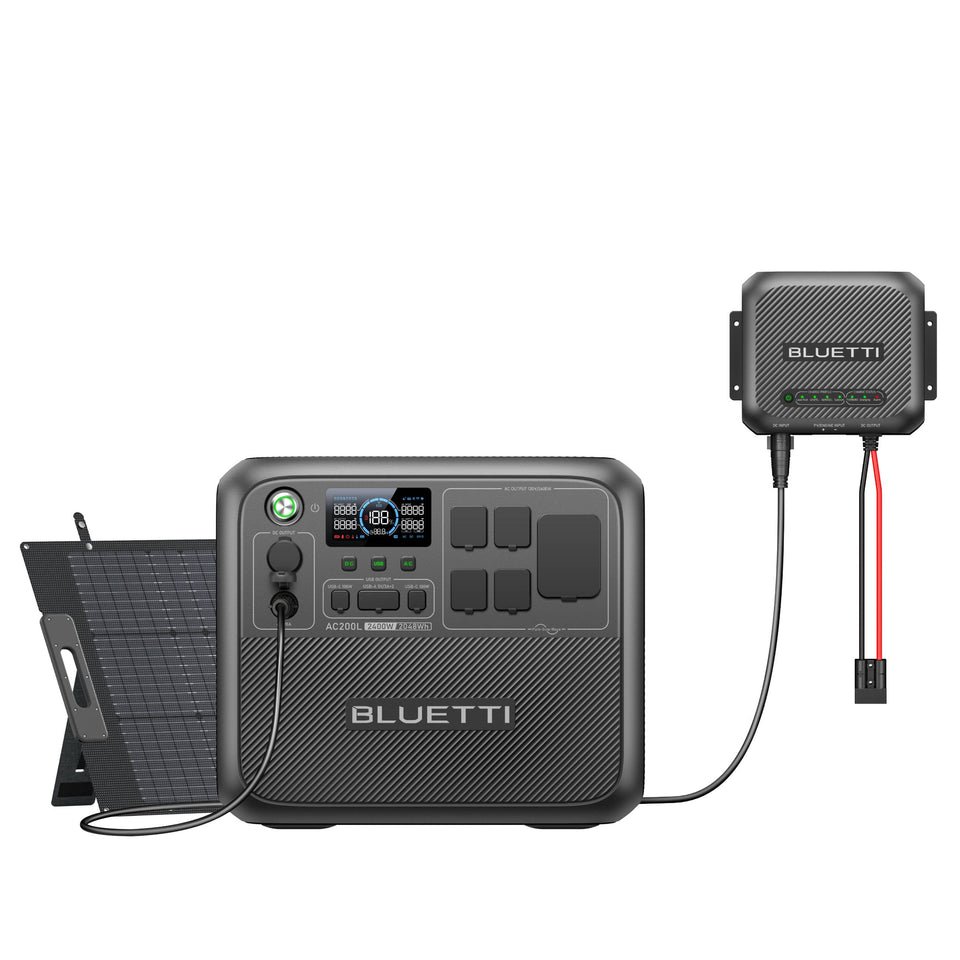
Models Discussed in This Article
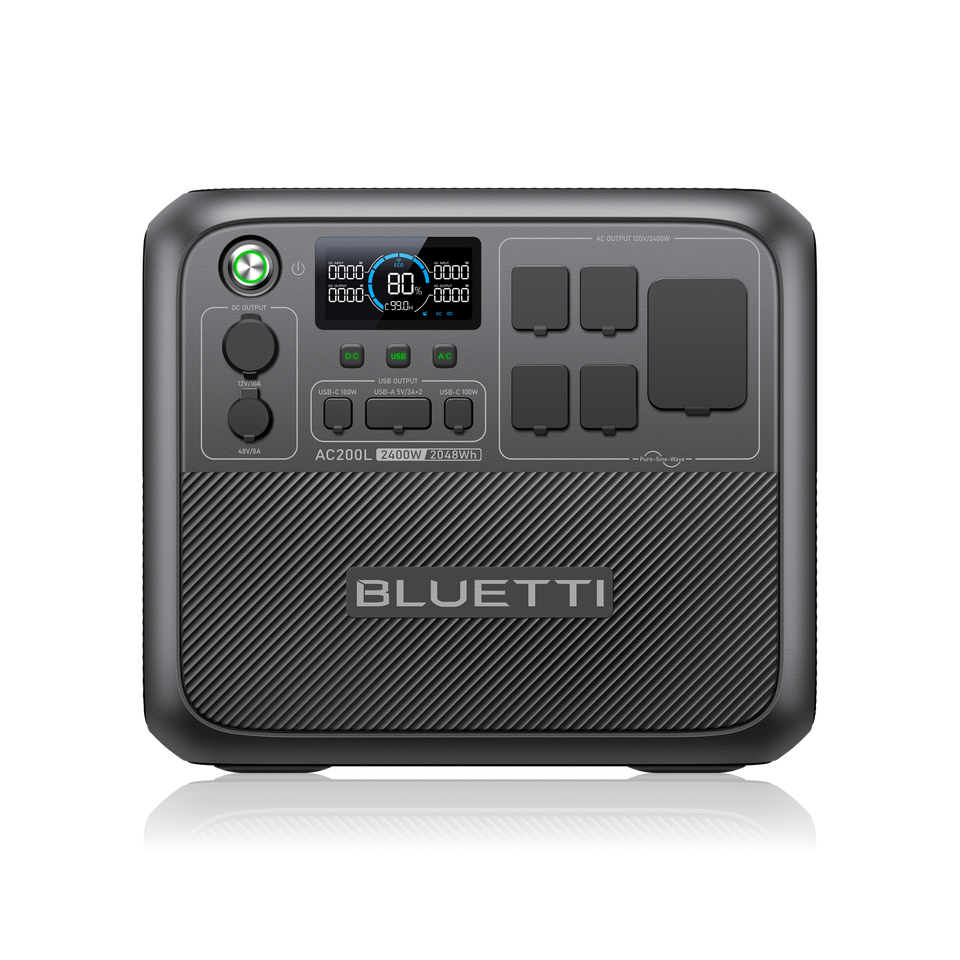
BLUETTI AC200L
Combines a high-efficiency 2,048Wh expandable platform, 1,200W high-voltage solar input (12–145V), and dedicated 30A TT-30R + 48V DC RV outputs at strong street pricing, trading away light weight and built-in wheels.
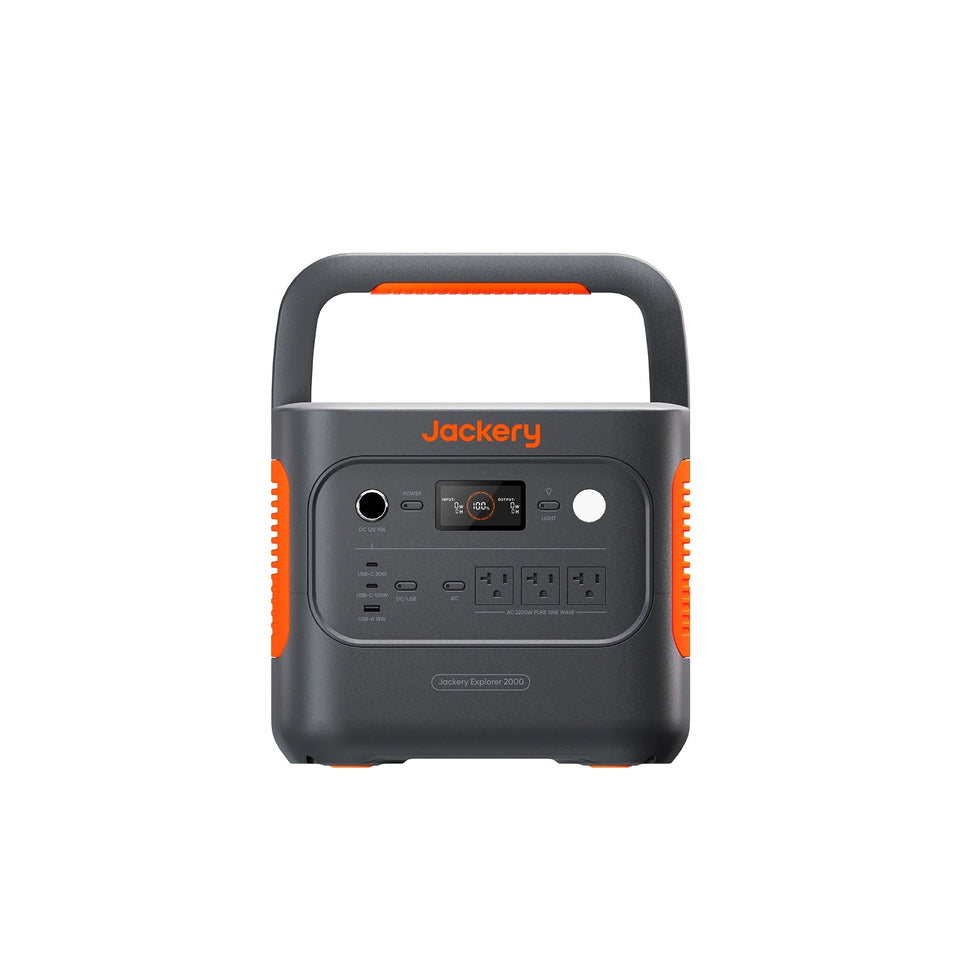
Jackery Explorer 2000 v2
A breakthrough 39.5 lb chassis makes 2,042Wh genuinely single-hand portable for camping and apartments, provided you accept its 400W solar recharge ceiling and non-expandable battery.
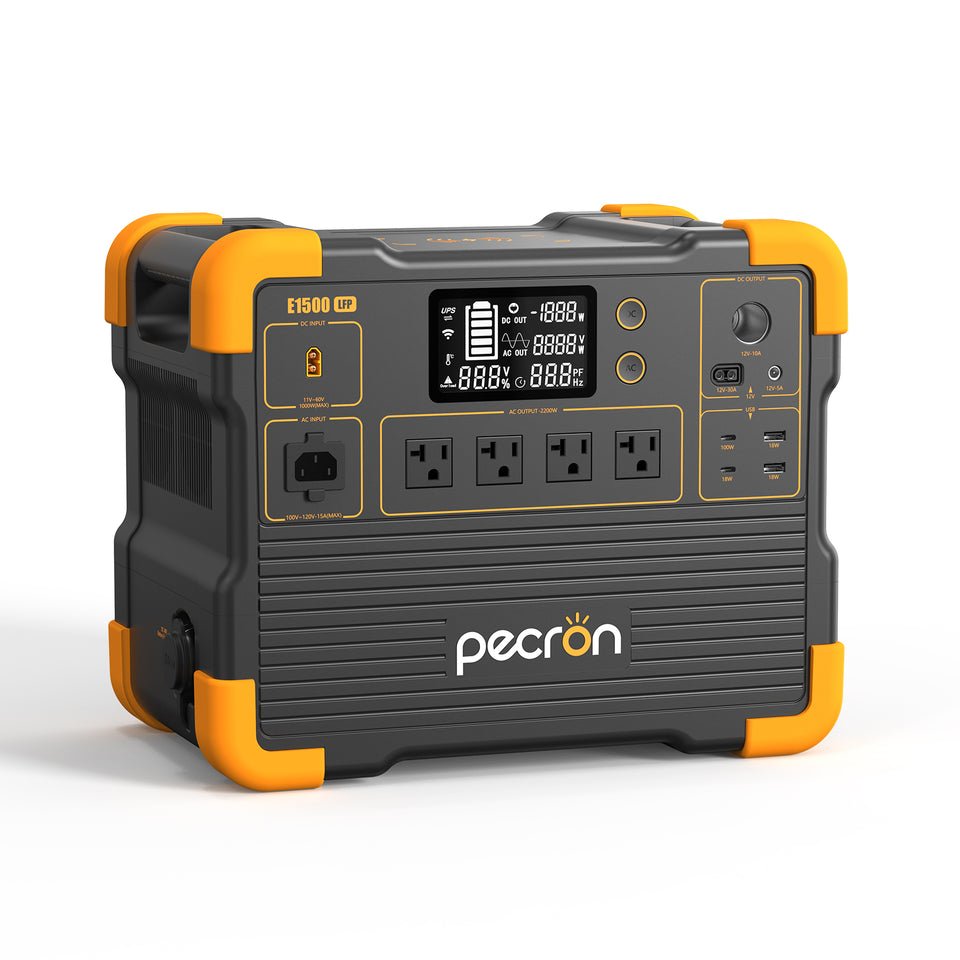
Pecron E1500LFP
Delivers 1,536Wh, a 2,200W continuous inverter, and a rare 12V/30A XT60 DC port around $599 street price, though its asymmetric 32–95V GX16MF solar input requires careful panel voltage matching.
Frequently Asked Questions
Can a 2,000-watt solar generator run a refrigerator and a microwave at the same time?+
Yes, provided you stay under the continuous inverter ceiling. A modern kitchen fridge draws around 150W once its compressor is running (with ~600W startup surge), and a 1,000W cooking-class microwave pulls roughly 1,450W from the wall. Together they draw ~1,600W—within a 2,000W–2,400W continuous inverter, though you should pause other heavy heating loads while microwaving.
Why does a 2,048Wh solar generator run a 1,500W space heater for only about 1.1 to 1.2 hours?+
Because 2,048Wh measures internal DC cell storage rather than delivered AC wall energy. After DC-to-AC inverter conversion losses and BMS safety reserves (leaving roughly 78%–88% usable AC energy, or ~1,600–1,800 Wh), dividing by a continuous 1,500W resistive draw yields roughly 1.07 to 1.2 hours.
Can a 2,000-watt 120V solar generator run a 240V well pump with an adapter cord?+
No. Standard 2,000W-class portable power stations output a single 120V phase only. No passive adapter cord can create 240V split-phase power across two opposite hot legs. Submersible 240V well pumps, electric dryers, and central air conditioners require a true 120V/240V split-phase system and licensed transfer equipment.
What is the difference between 3,600W Power Lifting and 4,400W peak surge?+
Peak surge (such as 4,400W on the Jackery Explorer 2000 v2 or Pecron E1500LFP) supplies brief extra current at full 120V to start electric motors. Resistive voltage-lowering features like BLUETTI Power Lifting (up to 3,600W) or EcoFlow X-Boost drop output voltage so simple heating elements run slower without tripping overload—they do not add capacity for motorized compressors or electronics.
Sources & Technical References
- View Source →[1]Manufacturer SpecificationBLUETTI US OfficialVerified 2026-11-24BLUETTI AC200L Portable Power Station Official Specifications
2,048Wh LFP, 2,400W continuous AC, 3,600W Power Lifting mode, NEMA TT-30R + 48V/8A DC RV port, 1,200W solar (12-145V).
- View Source →[2]Manufacturer SpecificationJackery US OfficialVerified 2026-11-24Jackery Explorer 2000 v2 Product Page & User Guide
2,042Wh LFP Cell-to-Body design, 39.5 lbs weight, 2,200W continuous AC, 400W dual DC8020 solar input.
- View Source →[3]Manufacturer SpecificationPecron US OfficialVerified 2026-11-24Pecron E1500LFP Official Specifications
1,536Wh LFP, 2,200W AC, 800W dual-port solar (GX16MF 32-95V 700W + DC5521 100W), EP3000-48V expansion support.
- View Source →[4]Third-Party Independent ReviewCNETVerified 2026-11-24CNET Portable Power Station Lab Efficiency & Refrigerator Runtime Benchmarks
Documents standardized refrigerator runtime and round-trip efficiency testing including BLUETTI AC200L (77.76% RTE, >29h fridge test) and Anker SOLIX F3800 (~25.68h fridge stress runtime due to dual-voltage inverter overhead).
- View Source →[5]Third-Party Independent ReviewOutdoorGearLabVerified 2026-11-24Jackery Explorer 2000 v2 Independent Review & Benchmark Testing
Reports ~2.5 hour full AC recharge (~817 Wh/hr average), high portability score for 2kWh class, and solar expansion trade-offs.