Jackery Explorer 1500 Pro Review (2026): High-Speed 1,400W Solar & AC Charging vs. Modern LiFePO4
Review of the Jackery Explorer 1500 Pro (1,512Wh NMC, 1,800W AC, 1,400W 2-hr wall & solar charge, 37.4 lbs) vs 4,000-cycle LFP successors like Explorer 2000 v2.
The Jackery Explorer 1500 Pro (1,512Wh NMC, 1,800W continuous / 3,600W surge AC, 37.4 lbs) solved the slow charging bottleneck of Jackery's original 1500 by adding built-in 1,400W 2-hour AC recharging and 1,400W solar MPPT input (yielding ~1,179–1,331Wh AC at 78%–88% efficiency or ~1,331–1,406Wh DC). Even so, its 1,000-cycle NMC lifespan, missing Wi-Fi app, and non-expandability push most 2026 buyers toward LiFePO4 peers.

When Jackery engineered the Explorer 1500 Pro, it attacked a very specific complaint against its own original Explorer 1500: painfully slow recharging. By eliminating heavy external charging bricks and building 1,400W bidirectional AC charging alongside a massive 1,400W dual-port solar MPPT ceiling into a 37.4 lb frame, the 1500 Pro cut wall recharge times from ~6 hours down to 2 hours while slashing solar replenishment from an all-day wait to an afternoon window.
That high-speed charging architecture made the 1500 Pro a standout performer in its release year—and ironically gave it 3.5× higher solar wattage capability than Jackery’s newer 400W-capped Explorer 1000 v2 and 2000 v2. Yet by 2026, rapid LiFePO4 cost reductions turned the 1500 Pro into a transitional footnote: a fast-charging 1,000-cycle NMC bridge caught between older slow bricks and modern 3,000–4,000-cycle LFP hardware.

How the 1500 Pro Solved Jackery’s Original Charging Bottleneck
Comparing the Explorer 1500 Pro against both its predecessor (Explorer 1500) and its modern LiFePO4 replacements shows exactly what Jackery upgraded—and what later v2 models quietly traded away:
| Specification | Legacy Explorer 1500 (v1/Rev) | Jackery Explorer 1500 Pro | Jackery Explorer 2000 v2 (LFP) | BLUETTI AC200L (LFP Solar Rival) |
|---|---|---|---|---|
| Capacity & Chemistry | 1,534Wh (1,488Wh v1) NMC |
1,512Wh NMC |
2,042Wh LiFePO4 |
2,048Wh LiFePO4 |
| Rated Cycle Life | 500–800 cycles to 80% |
1,000 cycles (70%–80%) |
4,000 cycles to >=70% |
3,000+ cycles to 80% |
| Continuous / Surge AC | 1,800W / 3,600W |
1,800W / 3,600W |
2,200W / 4,400W |
2,400W (3,600W Power Lift) |
| AC Wall Charging | ~300W brick (~5.5–6 hrs) |
1,400W built-in (~2.0 hrs) |
1,800W built-in (~1.7–2.5 hrs) |
2,400W AC (~1.5 hrs) |
| Max Solar Input | 500–600W (with adapters) |
1,400W (dual DC8020) |
400W (16–60V dual DC8020) |
1,200W (12–145V Voc) |
| USB-C PD Outputs | 1 × 60W |
2 × 100W PD |
1 × 100W + 1 × 30W |
2 × 100W PD |
| App Control & Expansion | No App / Non-expandable | No App / Non-expandable | Wi-Fi App / Non-expandable | Wi-Fi App / Up to 8,192Wh |
| Chassis Weight | 35.3 lbs |
37.4 lbs |
39.5 lbs |
62.4 lbs |
Three hardware shifts stand out immediately in the 1500 Pro:
- Brick-Free
1,400WAC Input: Plugging a standard cord directly into a household outlet refills1,512Whin roughly 2 hours—making pre-storm top-offs practical without hunting for external bricks. - Upgraded
2 × 100WUSB-C PD + Dual18WUSB-A: Unlike the original 1500’s solitary60WUSB-C port, the1500 Propowers two modern laptops directly off DC without waking up the AC inverter. - Power-to-Weight Density (
37.4 lbs): At launch, packing1,512Whand1,400WMPPT solar under38 lbsbeat clunky45+ lbcompetitors easily—until Cell-to-Body LFP engineering brought the2,042WhJackery Explorer 2000 v2 down to just39.5 lbs.
Why 1,400W Solar MPPT Remains the 1500 Pro’s Standout Trick
Here is a nuance rarely emphasized in generic reviews: if your top priority is fast off-grid solar recovery under 40 pounds, the discontinued Explorer 1500 Pro actually out-charges both the Explorer 1000 v2 and Explorer 2000 v2 on solar panels.
Real-world NREL solar irradiance derating (heat soak on dark panel glass, non-ideal sun angles, and conversion losses) normally drops outdoor harvest to 60%–75% of panel STC label ratings:
- Jackery Explorer 1500 Pro (
1,400WCeiling): Feeding six200Wportable panels (1,200WSTC) via dualDC8020ports (2 × 700Wmax using Jackery parallel connectors) realistically delivers720W–900W+in strong midday sun—recovering1,512Whin roughly 2 hours of clear sunlight. - Jackery Explorer 2000 v2 (
400WCeiling): Capped at400W(16V–60VVoc), real harvest sits around240W–300W, stretching a full solar recharge across 6 to 8+ sun hours.
Always inspect your panel Voc specs and keep every parallel string safely below Jackery’s 60V open-circuit limit (accounting for cold-morning voltage rise) as detailed in our Solar Input Limits & MPPT guide. You can also model regional sun-hour refill rates in the Solar Charging Calculator.
Inverter Performance & Transparent Runtime Bounds (78%–88% AC / 88%–93% DC)
Under the hood, the Explorer 1500 Pro keeps the same 1,800W continuous / 3,600W peak surge pure sine wave inverter across three 120V AC outlets as the original 1500—enough headroom for residential refrigerators, induction cooktops on medium-high, air fryers, coffee makers, and corded saws.
Because standardized third-party lab usable AC watt-hour tests for the 1500 Pro are Not Independently Verified in our database, plan appliance budgets using standard inverter delivery bounds (78%–88% AC; 88%–93% DC/USB-C):
- Estimated Usable AC Output (
1,512Whnew):~1,179–1,331Wh, supporting a modern cycling refrigerator (~55Waverage + standby draw) for roughly 18 to 23 hours, or mixed400Whome-office loads for ~3.0 to 3.3 hours. - Estimated Usable DC / USB-C Output:
~1,331–1,406Wh, powering a non-humidified12VCPAP (~30W) for roughly 44 to 47 hours.
Keep in mind that NMC cells lose capacity with both calendar age and charge cycles—meaning a heavily cycled or 3-year-old warehouse 1500 Pro may deliver slightly less real watt-hours than factory estimates. And because the 1500 Pro lacks any weatherproof IP enclosure, always operate it on dry indoor or sheltered surfaces with clear airflow around the side vents.
Where 1500 Pro Loses Ground in 2026
Despite impressive charging numbers on paper, three limitations explain why Jackery phased out the 1500 Pro in favor of LiFePO4:
1,000-Cycle NMC Longevity vs.3,000–4,000-Cycle LFP: While doubling the original E1500’s 500-cycle rating to1,000cycles (rated to70%–80%retention depending on batch specs) helped at the time, it sits far behind modern LiFePO4 units built for3,000–4,000cycles and higher thermal stability. Full-time van lifers or cabin owners cycling daily can wear out an NMC pack within three years. See LiFePO4 vs. NMC Batteries.- Missing App Connectivity & Quiet Charging Controls: Without Wi-Fi or Bluetooth app access, you cannot monitor battery levels from indoors, set AC charge wattage limits, or drop into
~30 dBquiet night charging—a staple feature on Jackery’s currentv2andPlushardware. - Zero Modular Expansion & Aging Stock Risk: You cannot add external batteries beyond
1,512Wh, and leftover retail or refurbished units carry shorter warranties alongside potential shelf-age degradation.
Smarter 2026 Alternatives That Keep High Speed Without NMC Compromise
If the Explorer 1500 Pro’s blend of speed and capacity caught your eye, three current LiFePO4 models solve those exact needs better:
- Want Fast
1,000W–1,200WSolar + Modern LFP? Compare the BLUETTI AC200L (2,048WhLFP,2,400WAC,1,200Wsolar with wide12–145VVoc, nativeTT-30RRV outlet, andCNET-verified77.76%round-trip efficiency />29 hrrefrigerator test—though heavier at62.4 lbs) or the compact EcoFlow DELTA 3 Plus (1,024WhLFP expandable to5,120Wh,1,000Wdual 500W MPPT solar,56-minute AC charge,<10 msHID UPS, at27.6 lbs). - Want Under-40-Pound Jackery Portability + 5-Year Warranty? The Jackery Explorer 2000 v2 weighs just
39.5 lbs(2.1 lbsover the1500 Pro) while delivering2,042WhLFP,2,200WAC, Wi-Fi app quiet charging, andOutdoorGearLab-measured~2.5 hrwall recharging—so long as its400Wsolar ceiling fits your needs. - Want
1.5kWhLFP Value Around$599? The Pecron E1500LFP (1,536Wh,2,200WAC,1,400WAC charge,800Wsolar with32–95VGX16MF start voltage,39.7 lbs) delivers far lower cost per cycle than closeout NMC stock.
Final Verdict
The Jackery Explorer 1500 Pro remains an impressive engineering milestone—proving Jackery could deliver 1,400W solar and 2-hour wall charging under 38 lbs. Yet unless you spot verified-healthy clearance stock well under $450–$500 specifically for rapid daytime 800W–1,400W solar recovery, buying a 1,000-cycle NMC platform in 2026 leaves too much longevity on the table. Step into modern 3,000–4,000-cycle LiFePO4 hardware like the Explorer 2000 v2, EcoFlow DELTA 3 Plus, or BLUETTI AC200L instead.
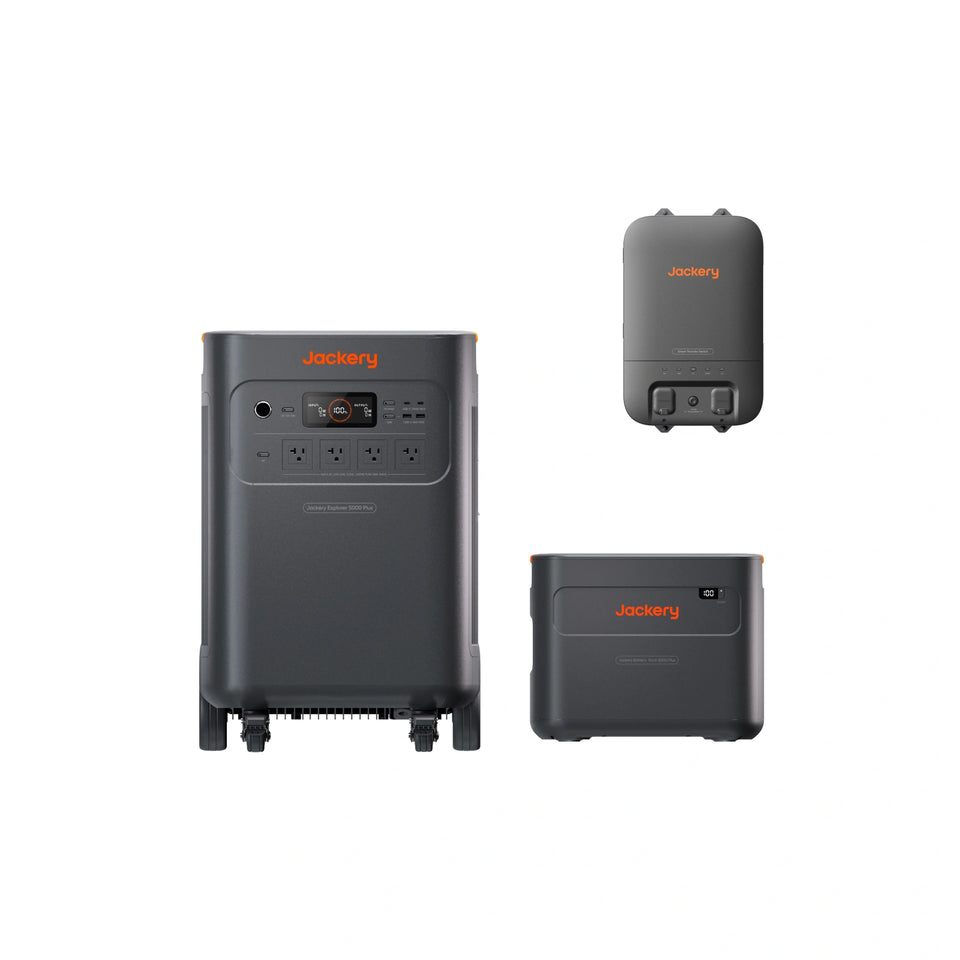
Models Discussed in This Article
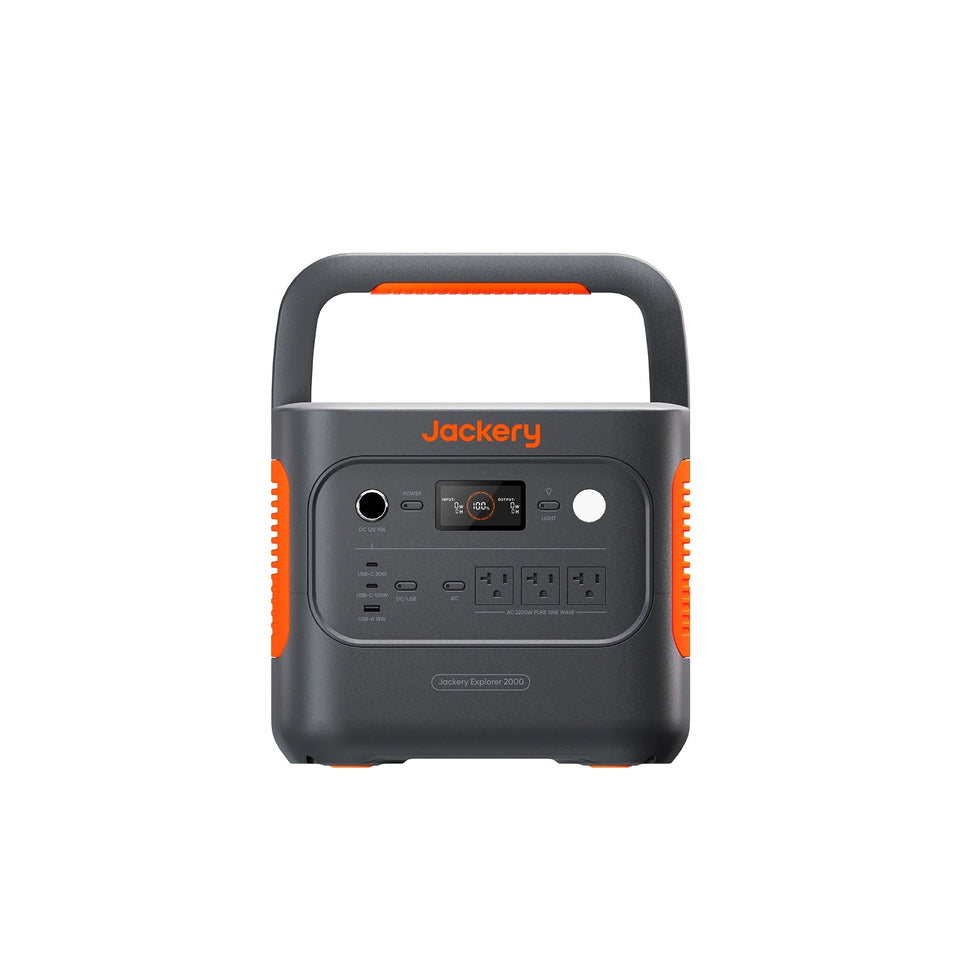
Jackery Explorer 2000 v2
A breakthrough 39.5 lb chassis makes 2,042Wh genuinely single-hand portable for camping and apartments, provided you accept its 400W solar recharge ceiling and non-expandable battery.
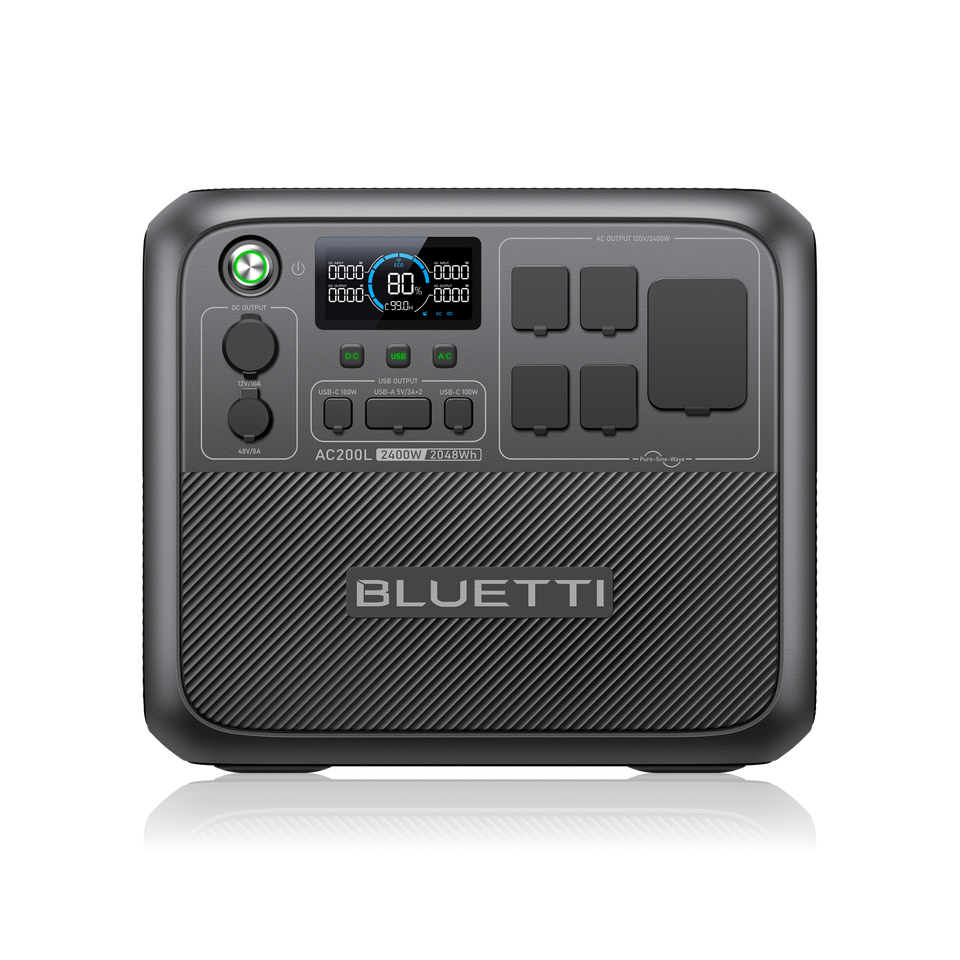
BLUETTI AC200L
Combines a high-efficiency 2,048Wh expandable platform, 1,200W high-voltage solar input (12–145V), and dedicated 30A TT-30R + 48V DC RV outputs at strong street pricing, trading away light weight and built-in wheels.
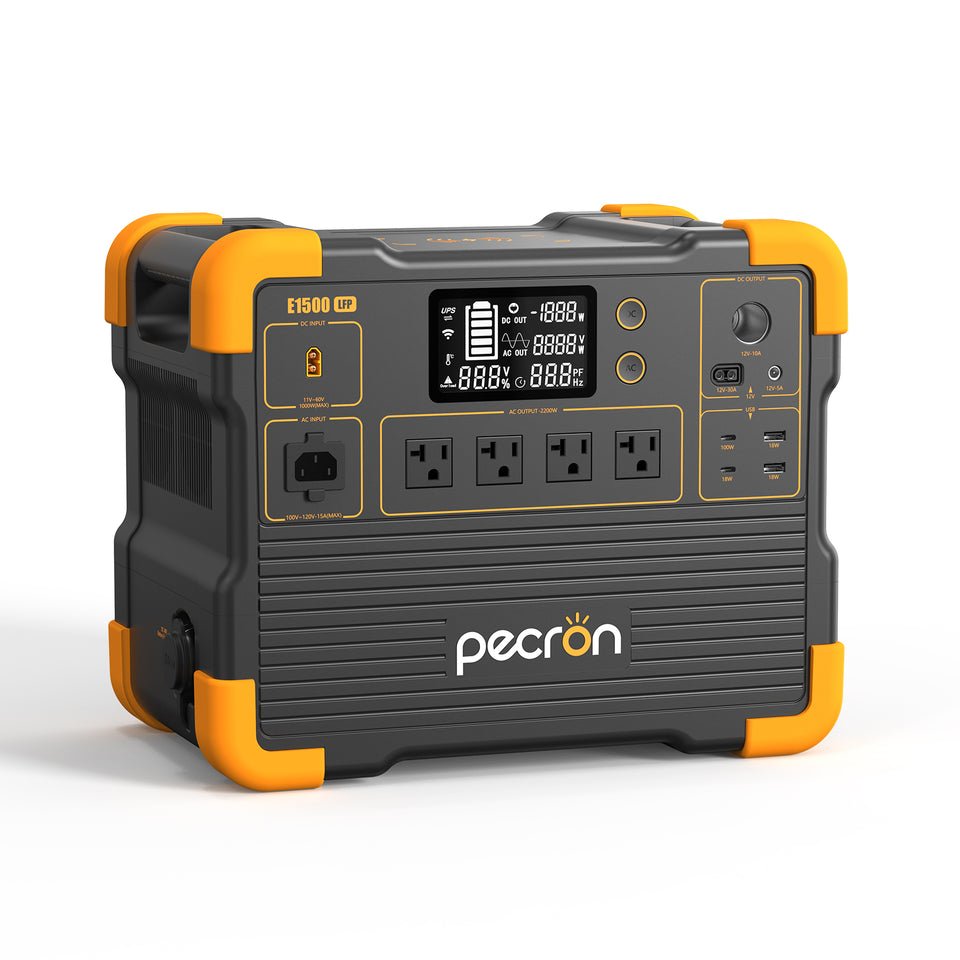
Pecron E1500LFP
Delivers 1,536Wh, a 2,200W continuous inverter, and a rare 12V/30A XT60 DC port around $599 street price, though its asymmetric 32–95V GX16MF solar input requires careful panel voltage matching.
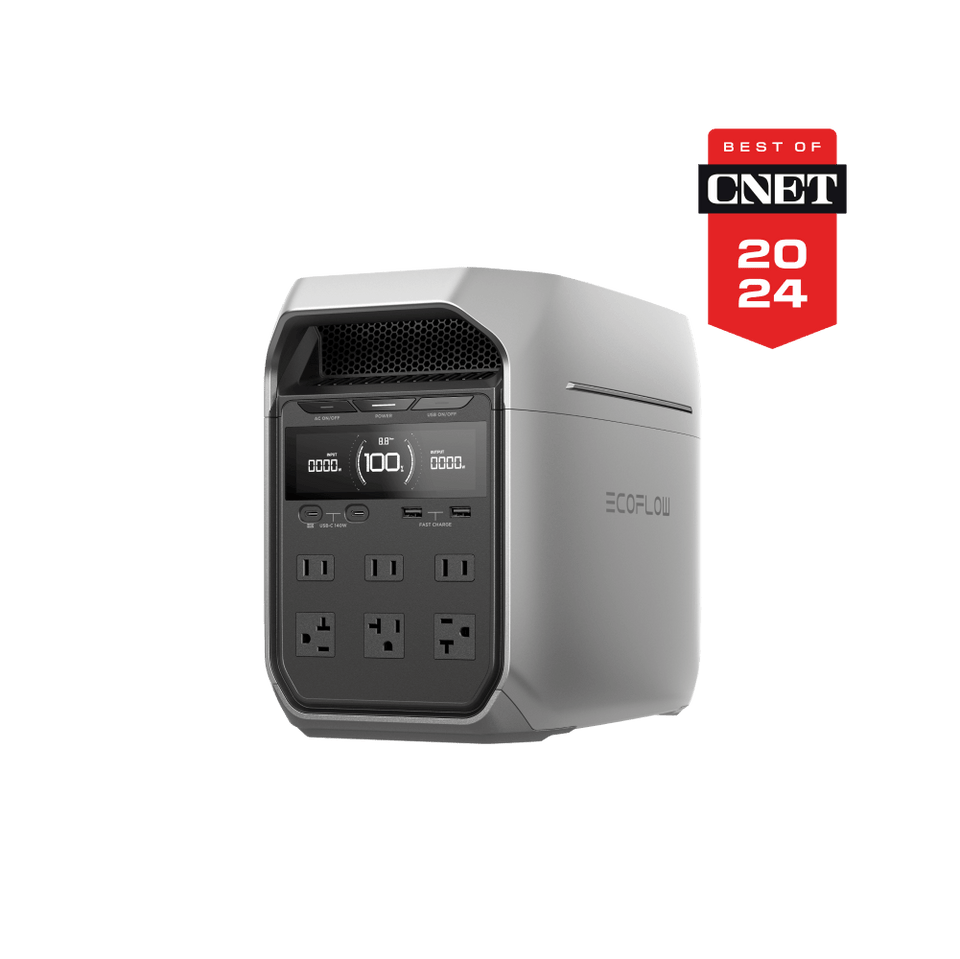
EcoFlow DELTA 3 Plus
Packs 1,000W dual-MPPT solar charging, sub-1-hour AC replenishment, and a sub-10 ms HID-capable UPS into a 27.6 lb chassis, making it more versatile than non-Plus 1kWh units.
Frequently Asked Questions
How fast does the Jackery Explorer 1500 Pro charge from solar panels compared to newer Jackery v2 models?+
Surprisingly, the older Explorer 1500 Pro supports up to 1,400W of solar input across its dual DC8020 ports (six 200W SolarSaga panels), recharging 1,512Wh in roughly 2 hours of peak sun—3.5× higher than the 400W solar cap on Jackery's newer Explorer 1000 v2 and Explorer 2000 v2.
What is the battery cycle life of the Jackery Explorer 1500 Pro compared to LiFePO4 stations?+
Jackery specifies the Explorer 1500 Pro's NMC lithium-ion cells for 1,000 charge cycles (commonly stated to 70%–80% retention depending on datasheet revision), whereas newer LiFePO4 units like the Jackery Explorer 2000 v2 (4,000 cycles to >=70%) and BLUETTI AC200L (3,000+ cycles to 80%) deliver three to four times the cycle endurance.
Does the Jackery Explorer 1500 Pro have Wi-Fi app control or expansion battery ports?+
No. Unlike the newer Explorer Plus and v2 series, the Explorer 1500 Pro omits Bluetooth/Wi-Fi mobile app control—meaning no remote outlet toggling or quiet-charging speed profiles—and cannot connect external expansion batteries.
Is the Explorer 1500 Pro worth buying instead of the Jackery Explorer 2000 v2?+
For most buyers, no. At 39.5 lbs—just 2.1 lbs heavier than the 1500 Pro—the Jackery Explorer 2000 v2 offers 35% more capacity (2,042Wh), 2,200W continuous AC, 4,000-cycle LFP cells, Wi-Fi app control, and a fresh 5-year warranty. Only pick a discounted 1500 Pro if you specifically need >400W solar speed in a <38 lb frame at deep clearance pricing.
Sources & Technical References
- View Source →[1]Manufacturer SpecificationJackery US OfficialVerified 2026-11-24Jackery Explorer 2000 v2 Product Page & User Guide
2,042Wh LFP Cell-to-Body design, 39.5 lbs weight, 2,200W continuous AC, 400W dual DC8020 solar input.
- View Source →[2]Manufacturer SpecificationJackery US OfficialVerified 2026-11-25Jackery Explorer 1000 v2 Official Specifications
1,070Wh LiFePO4, 1,500W continuous / 3,000W surge AC output, 400W solar input (dual DC8020), ~23.8 lbs weight.
- View Source →[3]Manufacturer SpecificationBLUETTI US OfficialVerified 2026-11-24BLUETTI AC200L Portable Power Station Official Specifications
2,048Wh LFP, 2,400W continuous AC, 3,600W Power Lifting mode, NEMA TT-30R + 48V/8A DC RV port, 1,200W solar (12-145V).
- View Source →[4]Manufacturer SpecificationPecron US OfficialVerified 2026-11-24Pecron E1500LFP Official Specifications
1,536Wh LFP, 2,200W AC, 800W dual-port solar (GX16MF 32-95V 700W + DC5521 100W), EP3000-48V expansion support.
- View Source →[5]Government Research ResourceNational Renewable Energy Laboratory (NREL)Verified 2026-11-24PVWatts & US Peak Sun Hours Reference Data
Documents regional peak sun hours and real-world photovoltaic derating factors (ambient heat, angle, shading, controller loss).