Jackery Explorer 240 vs. EcoFlow RIVER 2 vs. BLUETTI EB3A (Plus SOLIX C300): Sub-300Wh Showdown
Sub-300Wh electrical showdown: compare Explorer 240, EcoFlow RIVER 2, BLUETTI EB3A, and Anker SOLIX C300 inverters, LFP longevity, and 12-28V solar limits.
In the sub-300Wh tier, BLUETTI EB3A leads inverter power at 600W continuous pure sine wave (268.8Wh LFP, 200W 12–28V solar), EcoFlow RIVER 2 wins 60-minute wall charging (256Wh LFP, 300W AC, 110W solar), and Anker SOLIX C300 adds dual 140W USB-C plus <10 ms UPS (288Wh LFP, 9.1 lbs). Avoid leftover NMC Explorer 240 v1 units (200W, 500 cycles) in favor of LFP v2/rivals. Expect ~78%–88% AC (~195–250 Wh usable) and skip full-size fridges.
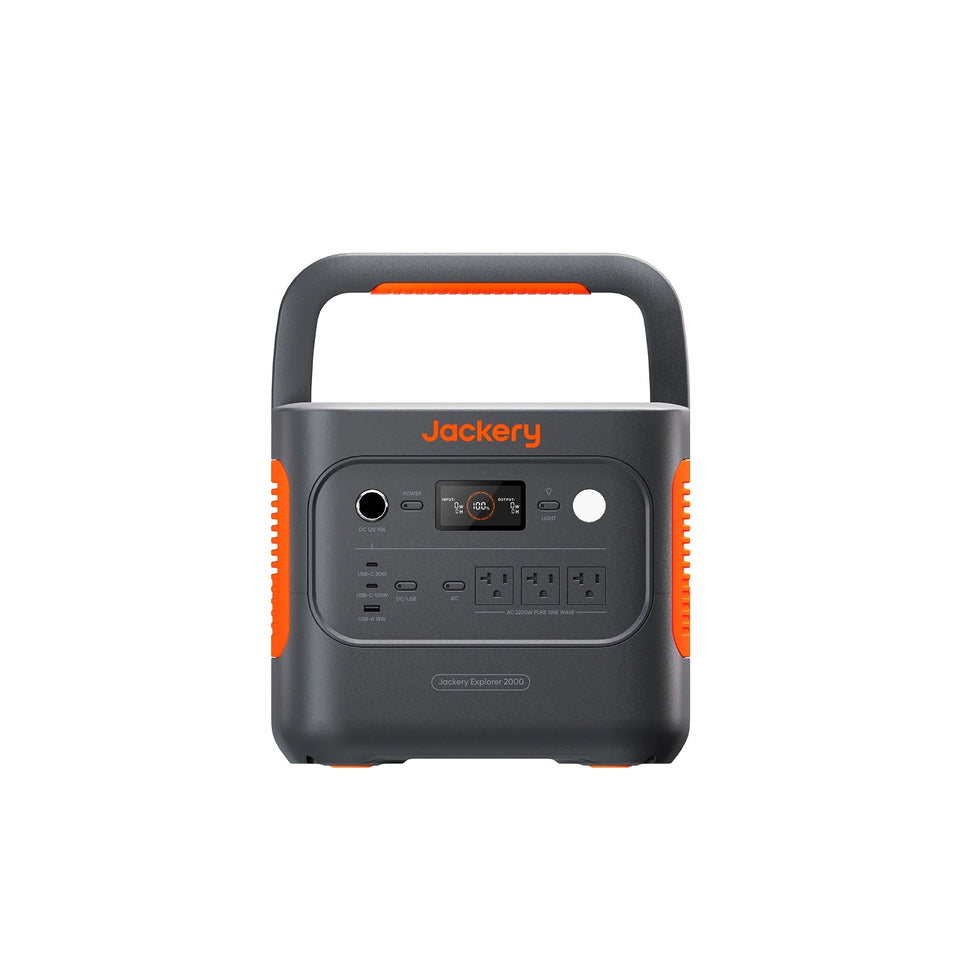
Sub-300Wh portable power stations sit in an awkward electrical middle ground. They cost roughly $190 to $270, weigh 7 to 10 pounds, and look interchangeable in online thumbnails—yet their underlying power electronics behave completely differently once you plug in a 400W blender, a 100W MacBook Pro, or a portable solar panel.
Put the classic Jackery Explorer 240 (both legacy v1 and upgraded v2), EcoFlow RIVER 2, BLUETTI EB3A, and modern Anker SOLIX C300 side by side on a specification bench, and the true dividing lines come down to continuous inverter wattage (200W vs. 300W vs. 600W), LiFePO4 vs. legacy NMC cell chemistry, USB-C Power Delivery speed, and strict 28V–30V solar voltage ceilings.
Verified 2026 Sub-300Wh Electrical Specification Matrix
(Note: Unlike misleading legacy reviews that confused watt-hours with usable test draw or claimed nonexistent color touchscreens, every number below reflects published manufacturer North American specifications.)
| Specification | Jackery Explorer 240 v1 (Legacy) / v2 (Current) | EcoFlow RIVER 2 | BLUETTI EB3A | Anker SOLIX C300 (Model A1722) |
|---|---|---|---|---|
| Battery Capacity | 240Wh (v1) / 256Wh (v2) | 256Wh | 268.8Wh | 288Wh |
| Cell Chemistry & Cycles | NMC ~500 cyc (v1) / LFP 3,000+ (v2) | LFP 3,000+ cyc to 80% | LFP 2,500+ cyc to 80% | LFP 3,000+ cyc to 80% |
| Continuous AC Inverter | 200W (v1) / 300W (v2) | 300W Pure Sine Wave | 600W Pure Sine Wave | 300W Pure Sine Wave |
| Surge / Resistive Boost | 400W (v1) / 600W (v2) | 600W (X-Boost resistive) |
1,200W (Power Lifting resistive) |
600W (SurgePad resistive) |
| AC Outlets | 1 × 120V | 2 × 120V | 2 × 120V | 3 × 120V |
| USB-C PD Ports | None (v1) / 100W (v2) | 1 × 60W bidirectional | 1 × 100W PD 3.0 | 2 × 140W bidirectional + 1 × 15W |
| Solar Input & Voc Limit | ~65W (v1) / 100W (v2) | 110W (11–30V Voc, 8A) |
200W (12–28V Voc, 8.5A) |
100W (11–28V Voc, 8.2A) |
| Fast Wall AC Charge | ~5.5 hrs (v1) / ~1–2 hrs (v2) | ~60 mins (360W X-Stream) | ~1.3–1.8 hrs (268W Std / 350W Turbo) | ~68 mins (330W HyperFlash) |
| UPS / EPS Rating | None (v1) / <=20 ms (v2) | <30 ms EPS |
10–20+ ms bypass UPS |
<10 ms fast UPS |
| Weight / Warranty | 6.6 lbs (2yr) / 7.94 lbs (3–5yr) |
7.7 lbs (5 yrs) |
10.14 lbs (2 yrs) |
9.1 lbs (5 yrs) |
(If you also cross-shop Jackery’s step-up compact model, the Jackery Explorer 300 Plus expands capacity to 288Wh LFP with a 300W inverter, 100W bidirectional USB-C, and 8.3 lb carry weight.)
Inverter Headroom: Why 600W on EB3A Changes Device Compatibility (With Catch)
Understanding the gap between continuous inverter watts and battery watt-hours prevents almost every sub-$300 buyer regret:
- BLUETTI EB3A (
600WPure Sine Wave): Unlike300Wunits, the EB3A delivers a genuine 600W continuous pure sine wave before overload kicks in. That means it can power corded rotary tools, small slow-cookers, compact projectors, or a450Wportable blender cleanly at full120VAC voltage. The catch: pulling550Wfrom a268.8Whbattery drains the pack from 100% to empty in roughly 24–26 minutes after conversion overhead. - EcoFlow RIVER 2, Anker C300 & Jackery 240 v2 (
300WContinuous): Any motor or sensitive electronic device over300Wtrips overload protection. While EcoFlow (X-Boost), BLUETTI (Power Lifting), and Anker (SurgePad) all advertise600W–1,200Wboost modes, those features work by deliberately dropping AC output voltage solely for simple resistive heating coils. Never rely on boost modes for inductive compressors, motorized tools, or audio/medical gear—read our Continuous vs. Surge Output guide for the electrical details. - Legacy Jackery Explorer 240 v1 (
200W): At200Wcontinuous, even certain gaming laptops under peak charger draw or mid-sized box fans on startup spike near the cutoff threshold.
Battery Chemistry & Warranty: Watch Out for Discount NMC Stock
The single biggest marketplace trap under $250 is confusing legacy NMC stock with modern LFP packs:
- Jackery Explorer 240 v1 uses older NMC lithium-ion cells rated for roughly 500 cycles to 80% capacity and carries a shorter legacy warranty, zero USB-C ports, and an external brick taking
~5.5 hoursto charge. - EcoFlow RIVER 2, Anker SOLIX C300, Jackery Explorer 240 v2, and BLUETTI EB3A all use LiFePO4 (LFP) chemistry—delivering roughly 5× to 6× longer cycle longevity and far better thermal stability.
- Note one key warranty split inside the LFP group: EcoFlow RIVER 2 (
5 years) and Anker SOLIX C300 (5 years) back their3,000+ cyclepacks for half a decade, whereas the older BLUETTI EB3A carries a 2-year (24-month) standard US warranty and a 2,500+ cycle rating.
Check our LiFePO4 vs. NMC Batteries guide if you run a portable unit daily rather than storing it strictly for occasional storms.
USB-C Power Delivery, Wall Charging & Strict 12–28V Solar Limits
At this capacity tier, bypassing the AC inverter via USB-C PD stretches real-world runtime significantly—typically delivering 88%–93% of battery energy versus 78%–88% out of the 120V AC outlets (~195–250 Wh usable AC across 240Wh–288Wh packs).
- USB-C Laptop Speed: The Anker SOLIX C300 (
Model A1722) dominates modern travel tech with two 140W USB-C PD 3.1 ports plus a 15W USB-C port—charging a 16-inch MacBook Pro at full tilt while still topping a phone and camera. BLUETTI EB3A and Jackery 240 v2 offer 100W USB-C, EcoFlow RIVER 2 provides 60W USB-C, and legacy Jackery 240 v1 offers 0W (USB-A only). - Grid Recharge Turnaround: Both EcoFlow RIVER 2 (
~60 minsvia 360W X-Stream) and Anker SOLIX C300 (~68 minsvia 330W HyperFlash) go from empty to full during a lunch break. BLUETTI EB3A reaches 100% in ~1.3 hours in350W Turbomode (adjustable via Bluetooth app; note Turbo charging spins its small cooling fan louder). - Solar
VocOver-Voltage Hazard (28V–30VCeiling): Every sub-300Wh station here uses a low-voltage solar input: 12–28V (200Wmax) on EB3A, 11–28V (100Wmax) on SOLIX C300, and 11–30V (110Wmax) on RIVER 2. That means only 12V-nominal solar panels (whose open-circuitVoctypically runs18V–24V) connect safely. Plugging in a 24V/36V residential solar panel—or wiring two 12V panels in series (40V+ Voc)—will exceed the MPPT ceiling and lock out or damage the charge circuit.
Why Sub-300Wh Units Should Never Be Purchased for Full-Size Refrigerators
If your primary blackout fear is losing hundreds of dollars of groceries inside a kitchen refrigerator, skip every single station in this article.
Two electrical realities disqualify sub-300Wh units from full-size fridge duty:
- Compressor Startup Inrush: Residential refrigerator compressors routinely spike 800W–1,400W+ for a fraction of a second on startup, tripping
200W–300Winverters immediately and pushing even the600WEB3A (1,200Wbrief surge) close to its limit on older coils. - Continuous Energy Math: Even a modern energy-efficient fridge drawing ~120W–150W while cooling (averaging ~50–65W across a 24-hour cycle) combined with
10W–15Wof continuous AC inverter standby overhead exhausts~210 Whof usable AC capacity in roughly 3 to 5 hours. Real fridge resilience starts at768Wh(BLUETTI AC70) and reliably hits a full 24+ hours at1,024Wh–2,048Wh(EcoFlow DELTA 3 Plus or Jackery Explorer 2000 v2).
Model Selection Verdict Under $300
- Pick BLUETTI EB3A if: You specifically need 600W continuous pure sine wave AC for short-burst appliances under 600W, want 200W
12–28Vsolar recovery, and accept its10.14 lbweight and 2-year warranty. - Pick EcoFlow RIVER 2 if: You want the lightest 7.7 lb LFP package with 60-minute wall charging,
110Wsolar (11–30V), Wi-Fi/Bluetooth app control, and a 5-year warranty. - Pick Anker SOLIX C300 (Model A1722) if: You want 288Wh LFP capacity, dual 140W USB-C ports,
<10 msrouter/modem UPS backup, quiet~25 dBoperation, and a 5-year warranty—just verify you buy the AC-outlet A1722 SKU rather than the DC-only C300 DC. - Avoid legacy Jackery Explorer 240 v1 unless heavily discounted below $130 for ultra-basic phone/LED use; choose the LFP Explorer 240 v2 (or
Explorer 300 Plus) if staying within Jackery’s ecosystem.
Still calculating exact device runtimes? Test your electronics in our Wattage Calculator, compare sub-$500 upgrades in Best Power Stations Under $500, or check Watt-Hours vs. Watts Explained.
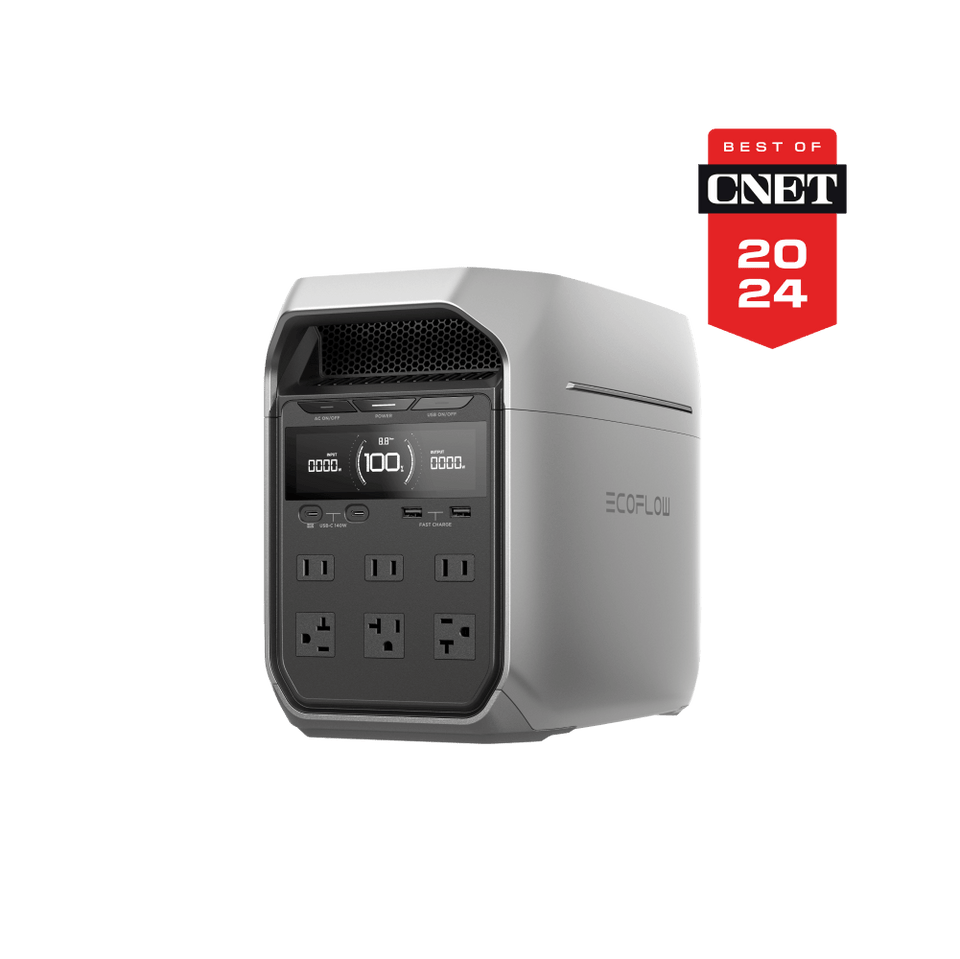
Models Discussed in This Article
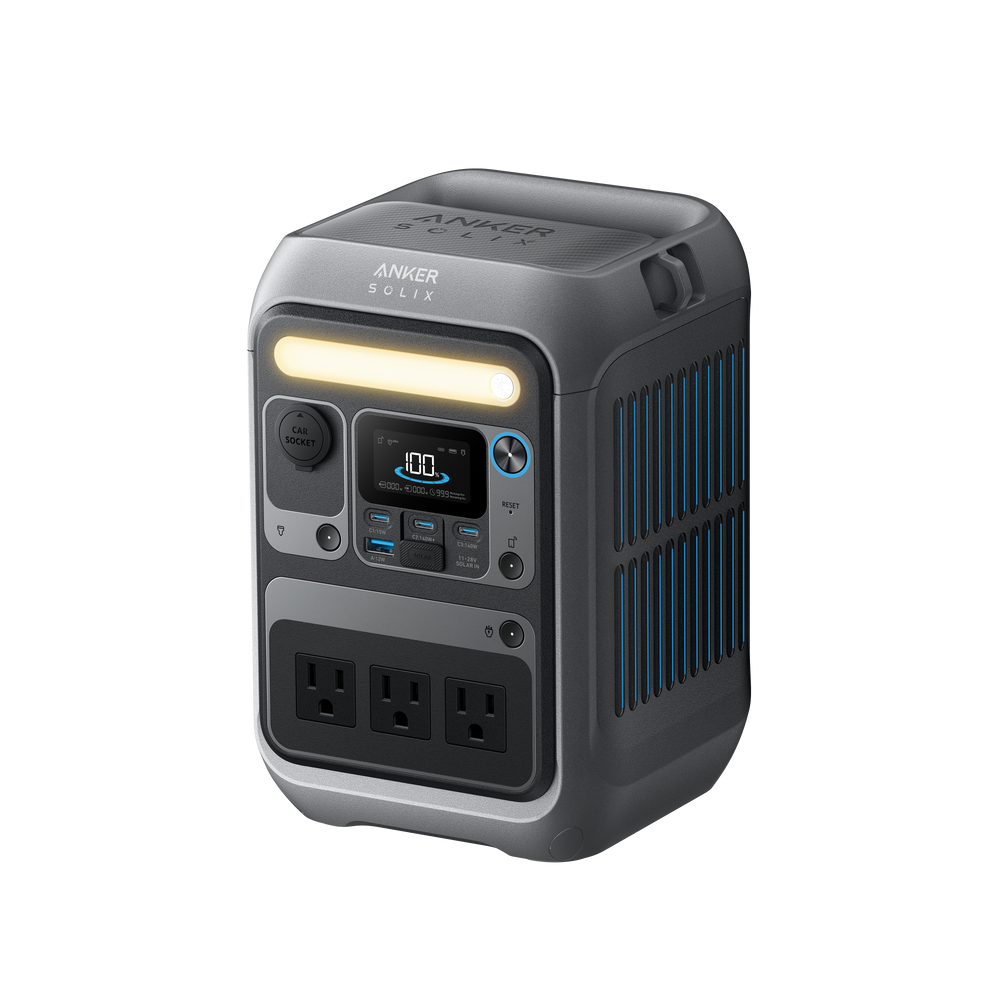
Anker SOLIX C300
A 9.1 lb vertical LiFePO4 station delivering 300W AC, dual 140W USB-C ports, and <10 ms UPS backup for routers, laptops, and day trips — just don't confuse it with the DC-only C300 DC or expect appliance runtime.

BLUETTI AC70
With 705–730.6 Wh of independently measured usable AC output from a 768Wh battery and 500W solar input at ~$399–$449 street price, the AC70 punches above typical 500Wh–700Wh units.
Frequently Asked Questions
Can the BLUETTI EB3A's 600W inverter run a coffee maker, toaster, or full-size refrigerator?+
No for almost all household heating appliances and full-size fridges. While the EB3A delivers a genuine 600W continuous pure sine wave (double the 300W continuous rating on RIVER 2 and Anker SOLIX C300), standard drip coffee makers and microwaves pull 900W–1,500W, and full-size fridge compressor startups commonly exceed 1,000W–1,200W. Even at 500W steady load, a 268.8Wh battery empties in roughly 25–28 minutes.
What happens if I plug a 36V or 48V residential solar panel into the BLUETTI EB3A, EcoFlow RIVER 2, or Anker C300?+
You risk triggering an immediate over-voltage lockout—or permanently damaging the internal MPPT charge controller. All three sub-300Wh units carry strict low-voltage solar ceilings: 12–28V Voc on BLUETTI EB3A, 11–28V Voc on Anker SOLIX C300, and 11–30V Voc on EcoFlow RIVER 2. Always verify panel Voc stays well below the ceiling in cold weather.
What is the difference between the Jackery Explorer 240 v1 and the newer Explorer 240 v2?+
The legacy Explorer 240 v1 uses a 240Wh NMC battery rated for ~500 cycles, a 200W AC inverter, zero USB-C ports, and a slow ~5.5-hour wall brick. Jackery's upgraded Explorer 240 v2 switches to a 256Wh LiFePO4 battery (3,000+ cycles), 300W continuous AC inverter, 100W USB-C PD, and ~1–2 hour fast AC charging—making SKU verification critical when shopping clearance sales.
Which sub-300Wh power station is best for charging modern USB-C laptops and protecting a Wi-Fi router?+
The Anker SOLIX C300 (AC-equipped Model A1722, 288Wh) leads this niche by pairing dual 140W bidirectional USB-C PD ports with a <10 ms fast UPS switchover and ~25 dB quiet acoustics—though double-check you are buying Model A1722 with AC outlets rather than the AC-less C300 DC variant.
Sources & Technical References
- View Source →[1]Manufacturer SpecificationEcoFlow US OfficialVerified 2026-11-25EcoFlow RIVER 2 Series Official Specifications
256Wh LiFePO4 entry portable power station with 300W continuous AC, X-Boost, and 110W solar charging input.
- View Source →[2]Manufacturer SpecificationBLUETTI US OfficialVerified 2026-11-25BLUETTI EB3A Portable Power Station Specifications
268.8Wh LiFePO4, 600W continuous AC (1,200W Power Lifting resistive mode), 200W MPPT solar input (12-28V, 8.5A), 10.14 lbs weight.
- View Source →[3]Manufacturer SpecificationAnker SOLIX US OfficialVerified 2026-11-24Anker SOLIX C300 Portable Power Station (Model A1722) Specifications
288Wh LFP AC-equipped model (distinct from DC-only C300 DC), 300W AC, 600W SurgePad, 100W XT60 solar, <10ms UPS.
- View Source →[4]Manufacturer SpecificationJackery US OfficialVerified 2026-11-25Jackery Explorer 300 Plus Portable Power Station Specifications
288Wh LiFePO4, 300W continuous AC (600W surge), 100W bidirectional USB-C PD, 100W solar max, 8.27 lbs weight.