DJI Power Stations & Solar Generators: Brand Guide
Explore DJI Power 1000 and V2 LFP stations, 23 dB quiet acoustics, 2,200W continuous AC output, SDC drone charging, and solar adapter considerations.
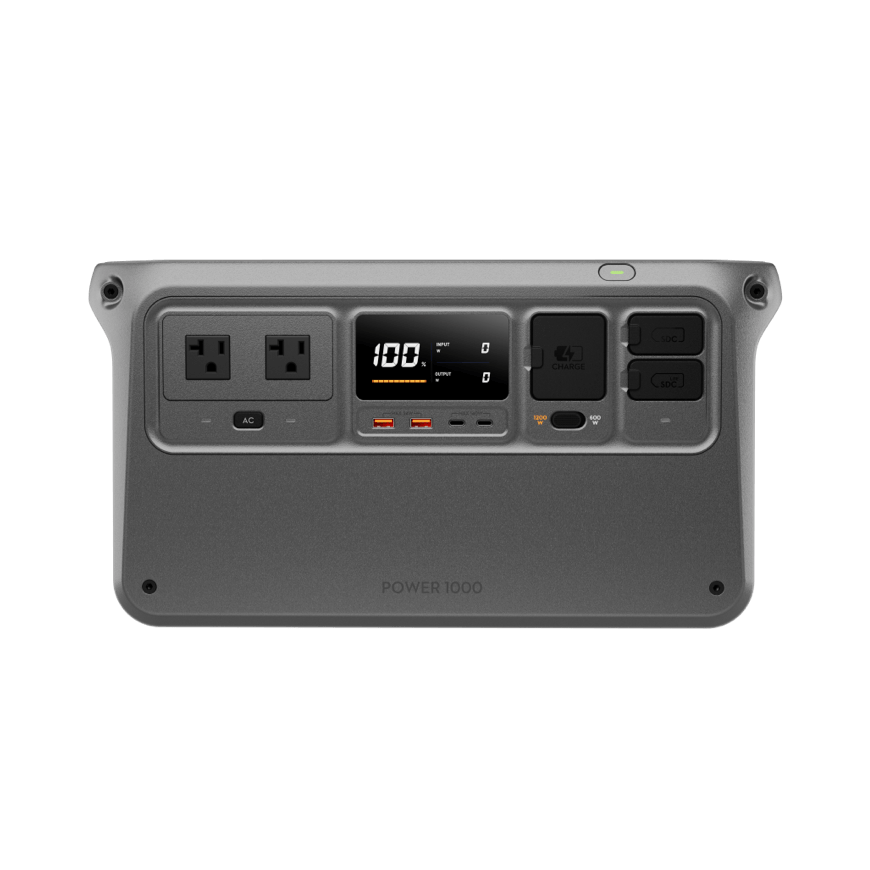
DJI Power Brand Strengths
- ✓Ultra-quiet 23 dB manufacturer acoustic floor during standard charging suits indoor sleepers and camper vans
- ✓High 2,200W continuous AC output (2,600W on V2) beats typical 1,800W 1kWh competitors
- ✓Dual 140W USB-C PD 3.1 ports plus direct high-speed SDC fast charging for compatible DJI drone batteries
Brand Trade-offs & Considerations
- !No built-in XT60 solar ports or 12V cigarette socket — requires buying optional DJI SDC adapter modules
- !Only two 120V AC outlets on the Power 1000 chassis, and V1 requires an optional dongle for Wi-Fi app control
- !Cycle life is rated to >=70% capacity at 4,000 cycles rather than 80% retention
Reviewed DJI Power Models
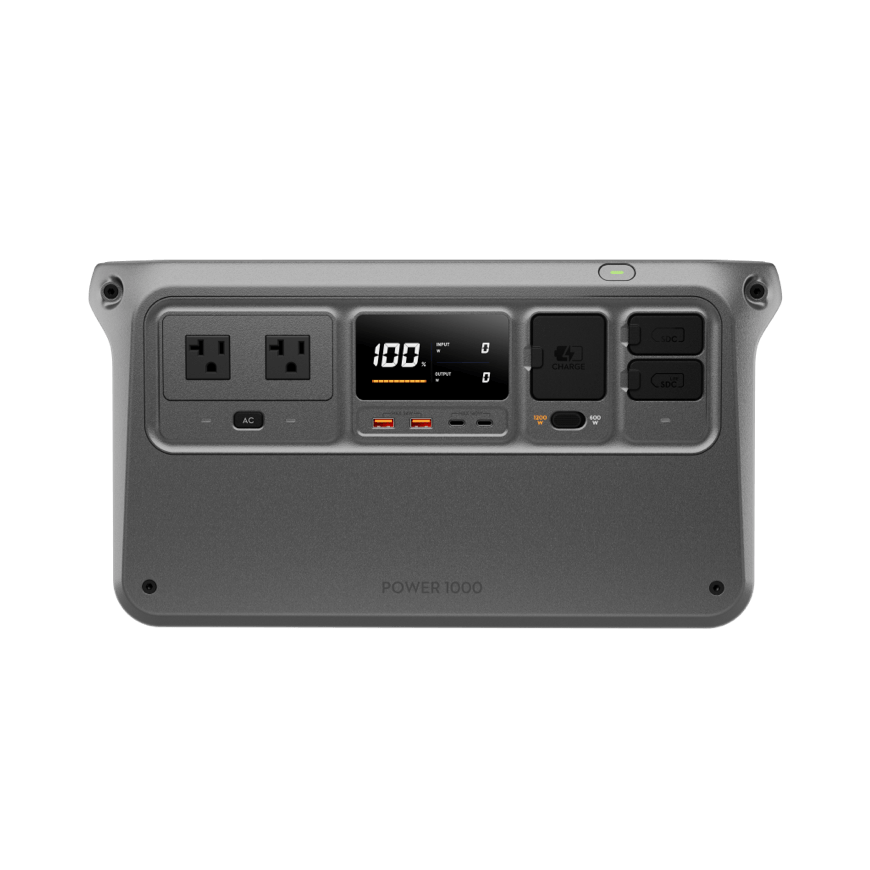
DJI Power 1000
Exceptional 2,200W inverter density and 23 dB acoustic refinement in a 28.7 lb frame, though solar charging and 12V car sockets require optional DJI SDC adapters.
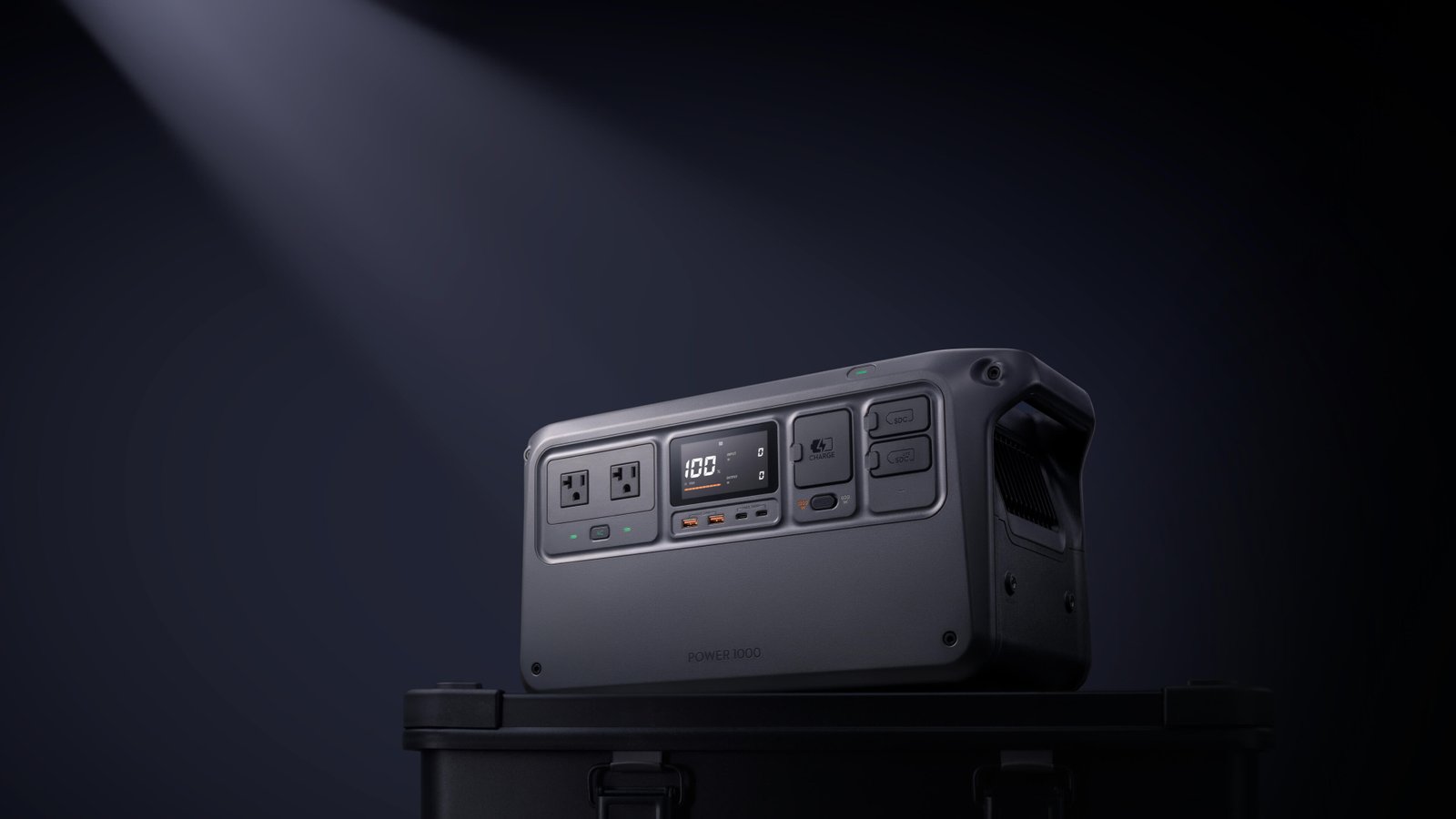
DJI Power Official Hardware & Application Gallery
Brand Overview & US Market Position
Best known globally for aerial imaging and camera stabilization, DJI entered the portable power station market in 2024 with a laser-focused engineering agenda: high inverter density, whisper-quiet acoustics, and direct DC fast charging for field creators. Operating North American support and service out of Cerritos, California, DJI leverages deep expertise in lithium battery management systems (BMS) developed across millions of commercial drone packs.
While DJI’s lineup is far smaller than EcoFlow’s or BLUETTI’s sprawling catalogs, aggressive promotional discounts on the Power 1000 ($449–$549 street price) have made it a compelling contender well beyond drone filmmakers—including camper van sleepers and home emergency buyers.
Product Families & Lineup Architecture
DJI keeps its US power ecosystem tightly streamlined:
- DJI Power 1000 (V1 & V2) / Power 500: Compact 1kWh-class and sub-1kWh field power stations. Our reviewed DJI Power 1000 (V1 US Edition,
Model DYM1000L) packs 1,024Wh and a stout 2,200W continuous AC inverter (4,400W surge) into28.7 lbs, while the newer Power 1000 V2 raises continuous AC output to2,600Wand tightens UPS transfer time to~10 ms. - DJI Power Expansion Battery 2000: A
2,048Whexpansion module linking via DJI’s SDC interface to scale capacity up to 11,264Wh. - SDC Ecosystem Accessories: External Solar Panel Adapter Modules (MPPT), car power cables, 1kW Super Fast Car Chargers, and drone-specific SDC fast-charging leads.
Battery Chemistry & Expansion Ecosystem
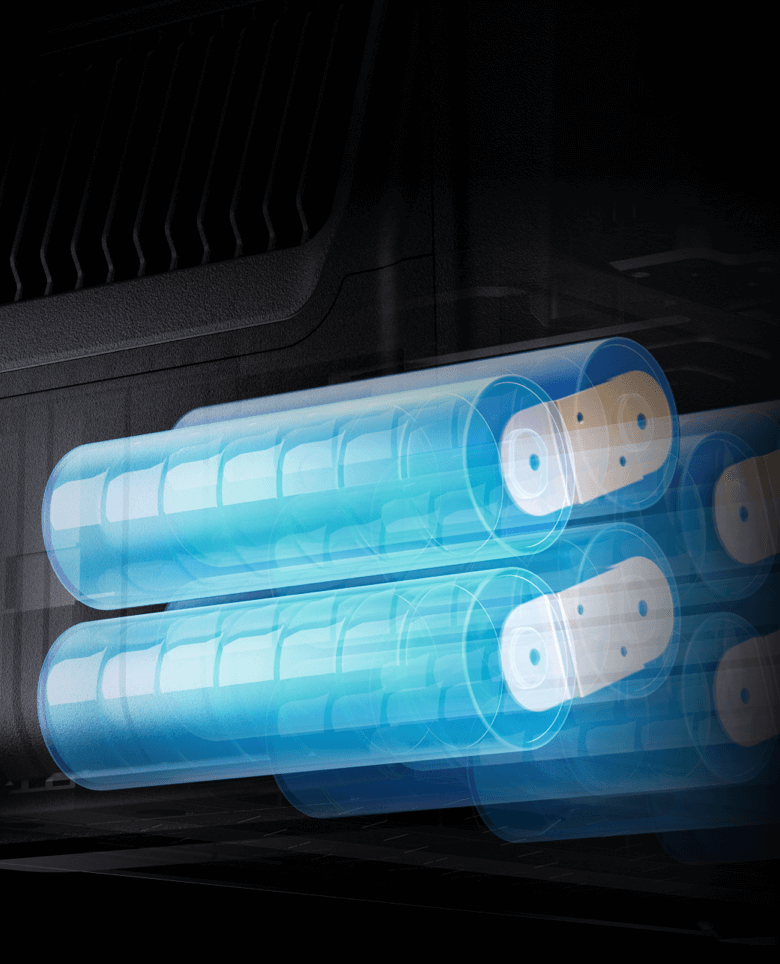
DJI Power stations utilize LiFePO4 (LFP) cells rated for 4,000 cycles to >=70% capacity at 25°C. Notably, DJI enforces a slightly narrower discharge temperature window (14°F to 113°F / -10°C to 45°C) than competitors rated down to -4°F, so winter outdoor users should check cold-weather specs carefully. Capacity expands cleanly via the SDC port using Power Expansion Battery 2000 packs without bulky proprietary residential combiner towers.
Hardware Differentiators & Engineering Trade-Offs
DJI Power hardware stands out starkly from mainstream outdoor power stations in both positives and omissions:
- Acoustic Quietness & 2,200W Inverter Density: Most 1kWh power stations top out at
1,800Wcontinuous AC and spin audible cooling fans under moderate recharging. DJI rates the Power 1000 as low as 23 dB during standard 600W AC charging (1,200Wfast charge refills 0–100% in~70 mins) while outputting2,200Wcontinuous AC—enough headroom for coffee makers, microwaves, or heat guns that trip 1,800W units. - SDC Adapter Dependency (Hidden Accessory Cost): To keep the front faceplate uncluttered and prioritize drone SDC speed, DJI omitted both a built-in XT60/MC4 solar input and a 12V cigarette lighter socket. Connecting solar panels (up to
800Wdual) requires purchasing one or two external DJI Power Solar Panel Adapter Modules (MPPT), and powering a standard 12V car cooler requires an SDC-to-12V adapter cable. Similarly, the V1 edition requires an optional USB dongle for mobile app Wi-Fi telemetry. - USB-C PD 3.1 & Minimalist AC Receptacles: Dual 140W USB-C PD 3.1 ports (
280Wcombined) power high-draw creative laptops effortlessly, though having only two5-20R120V AC outlets means multi-device desk setups may need a basic power strip.
US Warranty, Documentation & Customer Support
DJI backs its US Power stations with up to a 5-year warranty (structured as 3 years standard plus 2 years upon official registration, or 5-year official store coverage) serviced through DJI North America in Cerritos, California (+1 (818) 235-0789 / us.support@dji.com). Shoppers must keep valid invoices from DJI or authorized US retailers and verify whether they are ordering the V1 (2,200W, <=20 ms UPS) or V2 (2,600W, ~10 ms UPS) SKU.
Brand Pros & Cons Summary
Strengths:
- Class-leading
2,200Wcontinuous AC output (V1) and23 dBquiet standard recharging in a28.7 lbchassis - Dual
140WUSB-C PD 3.1 ports plus direct SDC fast charging for supported DJI drone packs - Frequent promotional street pricing (
$449–$549for V1) delivers strong watt-per-dollar indoor backup
Trade-Offs:
- No native built-in solar XT60 port or 12V cigarette socket—requires budgeting extra for DJI SDC adapters
- Only two 120V AC outlets, and V1 lacks built-in Wi-Fi app connectivity without a separate dongle
14°Fminimum discharge temperature is warmer than-4°F-rated competitors
Buyer Guidance: Who Should Choose DJI Power
Choose DJI Power if you are a filmmaker, drone operator, camper-van sleeper, or apartment backup buyer who values whisper-quiet fan acoustics, 2,200W AC headroom, and 280W combined USB-C power—and primarily recharges from grid outlets or is willing to add SDC solar adapters. See our direct head-to-head comparison in EcoFlow DELTA 3 Plus vs. DJI Power 1000 and our Best 1000Wh Power Stations guide.
Sources & Technical References
- View Source →[1]Manufacturer SpecificationDJI OfficialVerified 2026-11-24DJI Power 1000 Specifications & Official Overview
1,024Wh LFP, 2,200W continuous AC (V1 US model; V2 increases to 2,600W), dual 140W USB-C, 800W solar via MPPT adapter.
- View Source →[2]Government Research ResourceNational Renewable Energy Laboratory (NREL)Verified 2026-11-24PVWatts & US Peak Sun Hours Reference Data
Documents regional peak sun hours and real-world photovoltaic derating factors (ambient heat, angle, shading, controller loss).