Goal Zero Portable Power Stations & Solar Generators: Brand Guide
Review Goal Zero Yeti 6th-Gen LFP power stations, IPX4 weather-resistant enclosures, Salt Lake City US support, and wattage vs durability trade-offs.
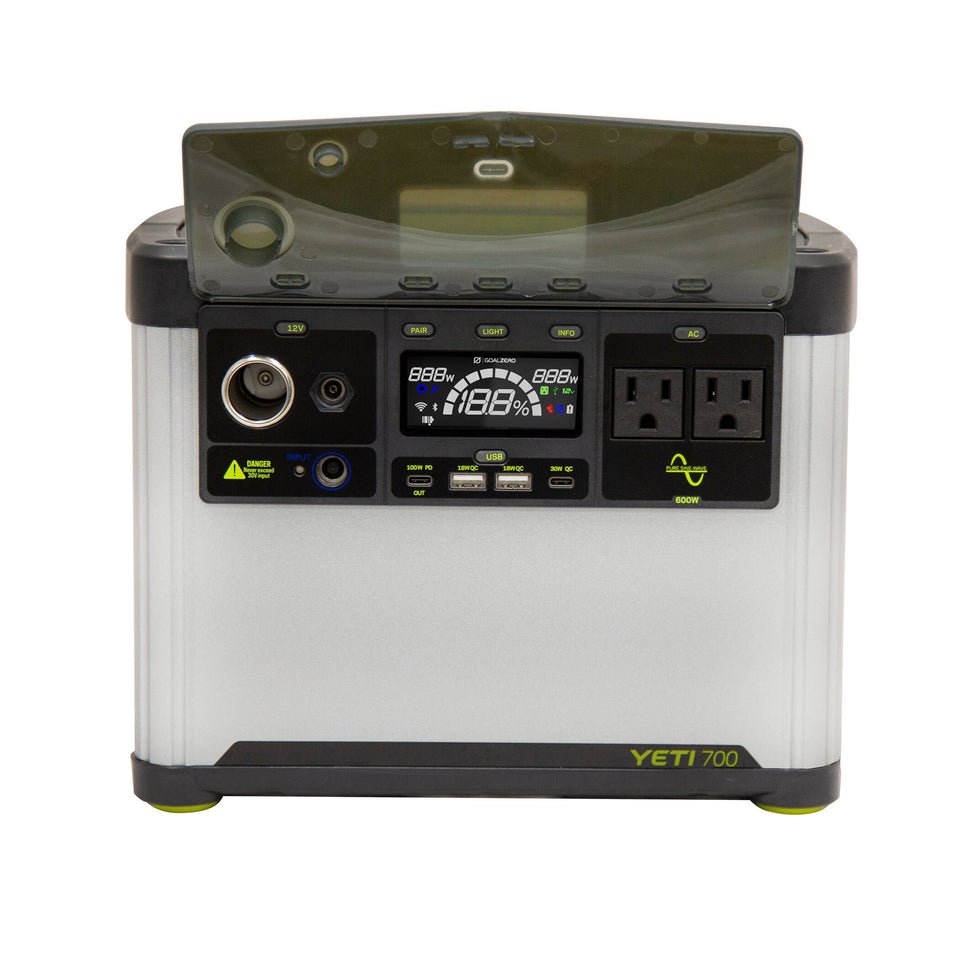
Goal Zero Brand Strengths
- ✓IPX4 weather-resistant chassis and sealed port covers built for damp camp conditions and truck beds
- ✓4,000-cycle LFP longevity paired with Salt Lake City, Utah US-based customer support and 5-year Yeti warranty
- ✓Compact, stackable enclosure geometry with fold-flat handles tailored for overlanding storage totes
Brand Trade-offs & Considerations
- !Significantly lower inverter wattage (600W AC on Yeti 700) and solar input (200W) than similarly priced peers
- !Higher price per rated watt-hour (~$0.81/Wh street on Yeti 700) versus value-led LFP competitors
- !Exact UPS switchover milliseconds and acoustic dB numbers are not published in primary public spec sheets
Reviewed Goal Zero Models
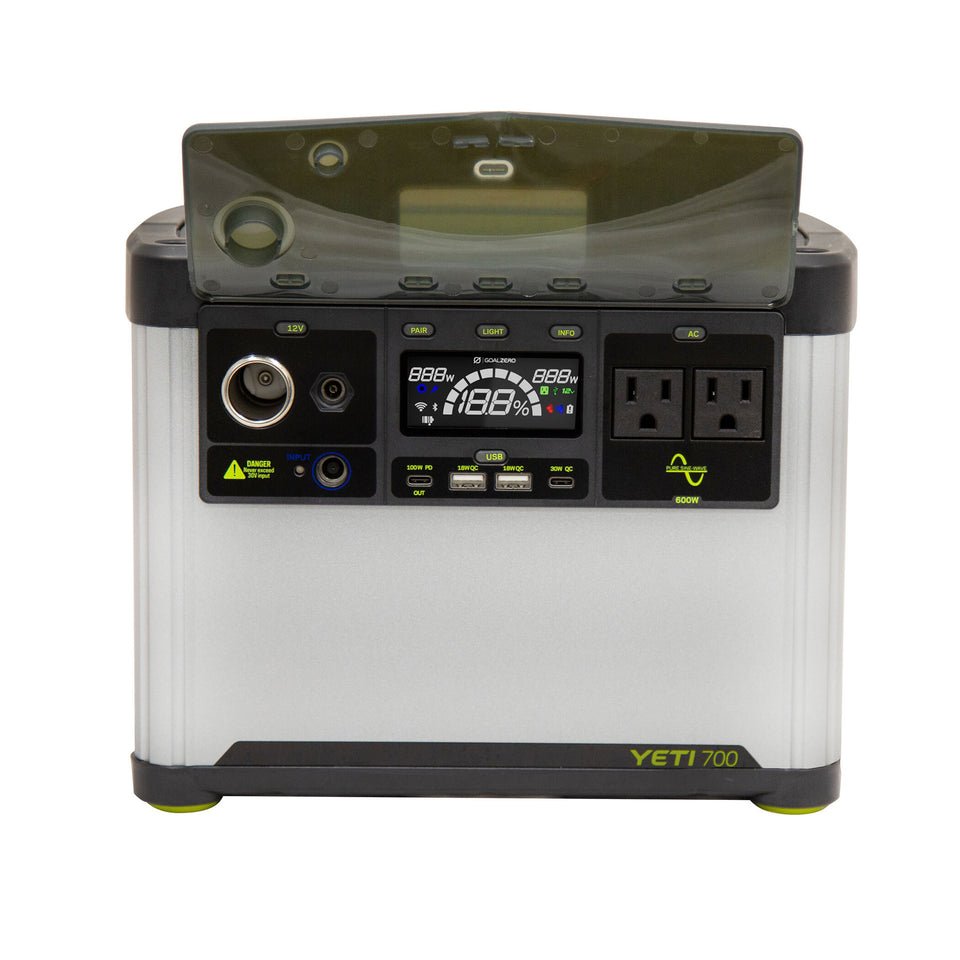
Goal Zero Yeti 700
Prioritizes IPX4 splash resistance, 4,000-cycle LFP longevity, and US-based warranty support over raw inverter wattage or solar charging speed.
Goal Zero Official Hardware & Application Gallery
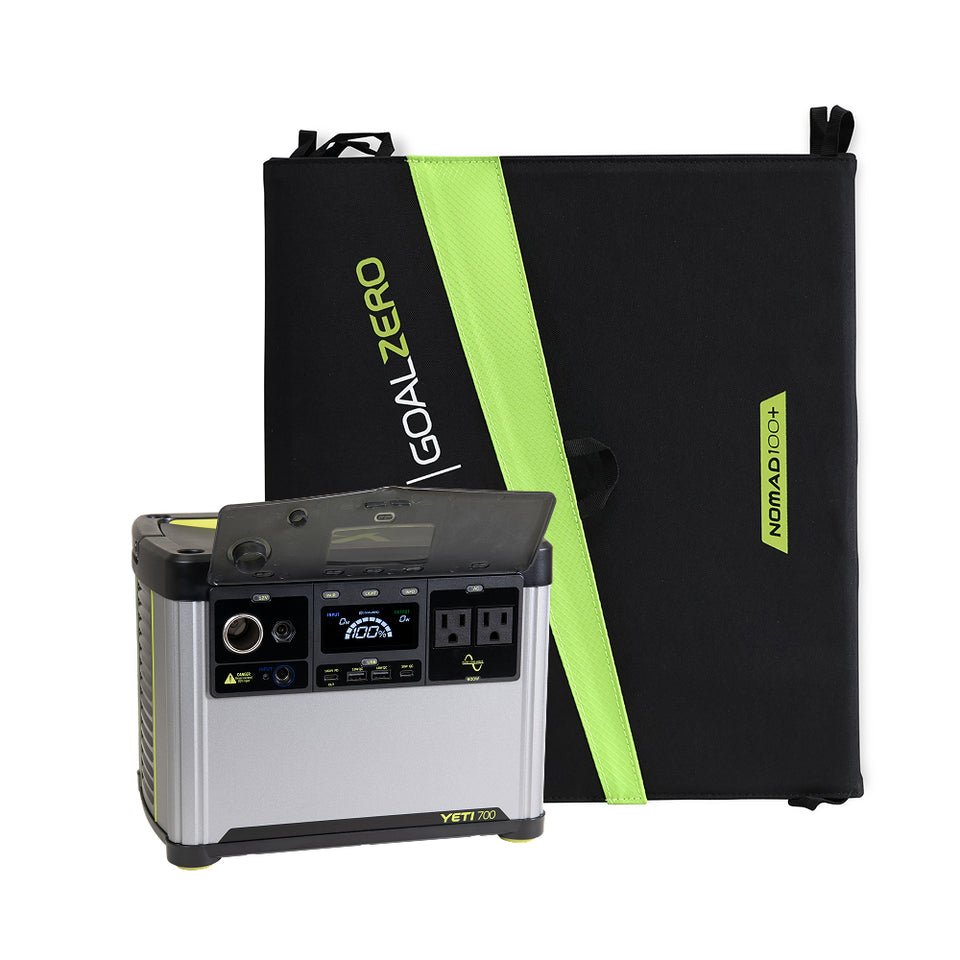
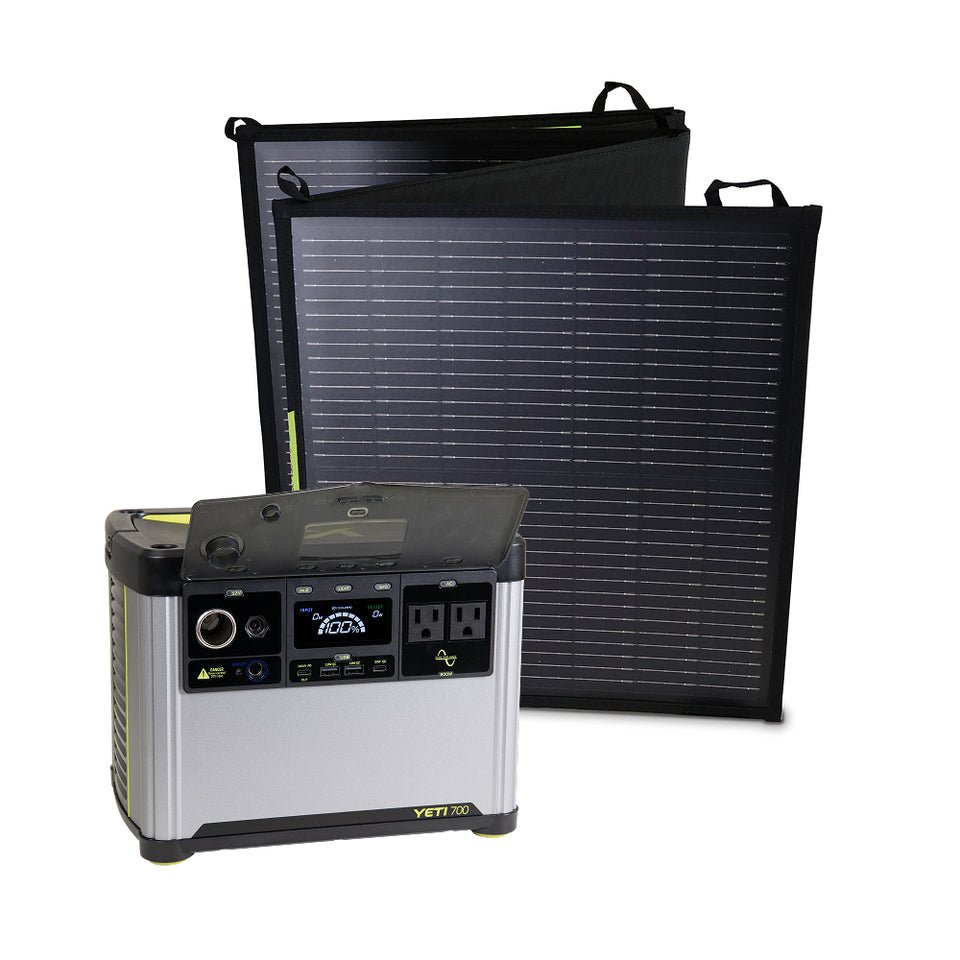
Brand Overview & US Market Position
Headquartered in Salt Lake City, Utah, Goal Zero is one of the longest-running portable solar and outdoor power brands in the United States. While newer overseas competitors pushed aggressively into ultra-fast AC charging and maximum wattage per dollar, Goal Zero carved out a specialized niche prioritizing outdoor durability, IPX4 splash resistance, and domestic Utah-based technical support.
After years of using legacy NMC and lead-acid cells in earlier Yeti models, Goal Zero’s 6th-generation lineup transitioned cleanly to LiFePO4 (LFP) chemistry, modernizing cycle life and internal AC charging speed while retaining rugged, trail-ready enclosures.
Product Families & Lineup Architecture
Goal Zero serves two distinct segments in the US market:
- Yeti LFP Outdoor Series (Yeti 300 / 500 / 700): Compact field stations built for campers, overlanders, and emergency kits. The Goal Zero Yeti 700 pairs a 677Wh LFP battery and 600W pure sine wave inverter with an IPX4 weather-resistant exterior and sealed port doors at
20.3 lbs. - Yeti PRO 4000 & Home Ecosystem: High-capacity modular LFP systems engineered for 120V residential transfer switches and off-grid cabin integration.
- Nomad & Boulder Solar Panels: Foldable and rigid panels designed with Goal Zero’s 8mm and High-Power Port (HPP) solar connectors.
Battery Chemistry & Expansion Ecosystem
Current 6th-generation Yeti outdoor stations such as the Yeti 700 utilize LiFePO4 (LFP) cells rated for 4,000 cycles to 80% capacity under manufacturer lab cycling—matching top-tier LFP longevity expectations. Smaller Yeti outdoor units (300/500/700) are sealed standalone designs with no external expansion port, deliberately prioritizing IPX4 moisture protection over modular expansion cables. Expansion scalability is reserved for Goal Zero’s larger Yeti PRO home-backup tier.
Hardware Differentiators & Engineering Trade-Offs
Comparing Goal Zero against mainstream Chinese competitors highlights a very clear set of engineering trade-offs:
- IPX4 Weather Resistance vs. Raw Wattage: Most portable power stations leave open cooling vents and exposed sockets that cannot tolerate rain, mist, or dusty truck beds. The Yeti 700 carries an IPX4 rating with port covers closed, making it notably safer around damp campsites, boats, and overlanding rigs. However, that sealed durability comes alongside a modest 600W continuous AC inverter (1,000W surge) and 200W solar limit (
15V–50V Voc)—trailing similarly priced units like the BLUETTI AC70 (1,000W AC,500W solar). - AC Charging & USB-C Modernization: Goal Zero eliminated the slow external power bricks of older Yeti generations, building a
500Winternal AC charger (~1.5 hrsrecharge) and100Wbidirectional USB-C PD into the Yeti 700 chassis. - Missing Spec Transparency: Goal Zero’s summary specification tables do not publish an exact millisecond UPS transfer rating (listing pass-through capability rather than a
<10 msor<20 msfigure) or a specific acoustic dB rating, so buyers protecting sensitive desktop workstations should look toward explicit sub-15ms UPS units instead.
US Warranty, Documentation & Customer Support
Goal Zero provides 1-to-5-year warranties across its US catalog, with 6th-generation LiFePO4 Yeti power stations (including the Yeti 700) covered by a 5-year manufacturer warranty supported directly by Goal Zero’s Salt Lake City, Utah Solutions Center. Online registration within 30 days establishes the start date cleanly, and US-based phone and ticket support remains one of Goal Zero’s strongest differentiators for shoppers uncomfortable with overseas support queues.
Brand Pros & Cons Summary
Strengths:
- IPX4 splash-resistant enclosure and sealed port covers tailored for damp outdoor and overlanding use
- 4,000-cycle LFP battery backed by a 5-year warranty and Utah-based US phone/ticket support
- Compact
20.3 lbbox geometry with fold-flat handle packs cleanly beside coolers and gear bins
Trade-Offs:
- Lower AC inverter wattage (
600W) and solar charging cap (200W) than peer-priced competitors - Higher typical street cost per rated Wh (
~$0.81/Whon Yeti 700 vs.~$0.56/Whon BLUETTI AC70) - Exact UPS switching speed (
ms) and dB acoustic ratings are not disclosed in summary spec sheets
Buyer Guidance: Who Should Choose Goal Zero
Choose Goal Zero if you run 12V camp fridges, camera gear, LED lights, and laptops in damp or dusty outdoor environments where IPX4 sealing and Salt Lake City US warranty support outweigh maximum AC wattage. If you want higher AC output or faster solar recovery under $500, compare Goal Zero directly in our Best Portable Power Stations for Camping and Best Lightweight Power Stations guides.
Sources & Technical References
- View Source →[1]Manufacturer SpecificationGoal Zero OfficialVerified 2026-11-24Goal Zero Yeti 700 Portable Power Station Specifications
677Wh LFP, 600W AC, 1,000W surge, 200W solar max, IPX4 weather-resistant chassis, 5-year warranty.
- View Source →[2]Government Research ResourceNational Renewable Energy Laboratory (NREL)Verified 2026-11-24PVWatts & US Peak Sun Hours Reference Data
Documents regional peak sun hours and real-world photovoltaic derating factors (ambient heat, angle, shading, controller loss).