Best Portable Power Stations for Camping & Overlanding (2026)
Compare the best portable power stations for camping and overlanding across weight under 40 lbs, IPX4 splash resistance, USB-C PD ports, and quiet acoustics.
Camping power stations succeed on portability, quiet sleep-friendly fans, 12V DC efficiency, and weather durability rather than peak home wattage. The 39.5 lb Jackery Explorer 2000 v2 delivers unmatched 2kWh multi-day endurance per pound; the 27.6 lb EcoFlow DELTA 3 Plus excels for fast 1,000W solar recharging; the 22.5 lb BLUETTI AC70 offers verified efficiency under $450; and the 20.3 lb Goal Zero Yeti 700 adds IPX4 splash resistance for wet campsites.
Recommended Models for This Category
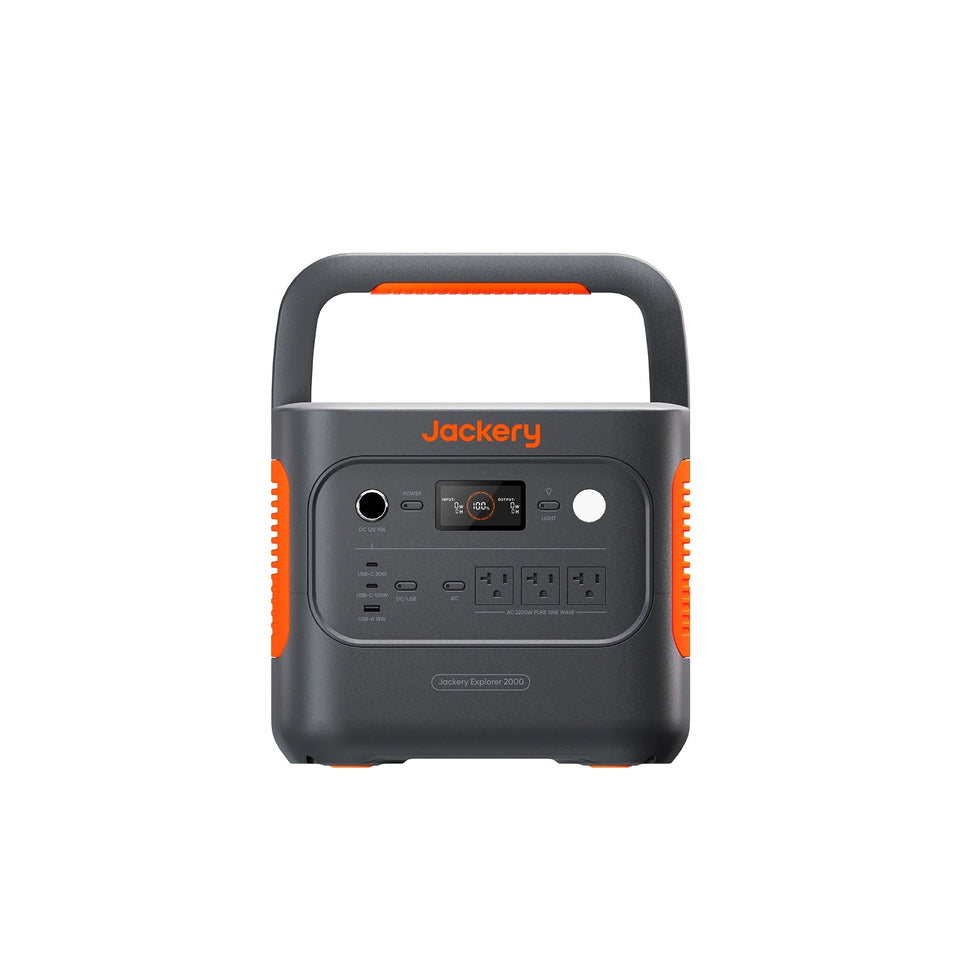
Jackery Explorer 2000 v2
A breakthrough 39.5 lb chassis makes 2,042Wh genuinely single-hand portable for camping and apartments, provided you accept its 400W solar recharge ceiling and non-expandable battery.
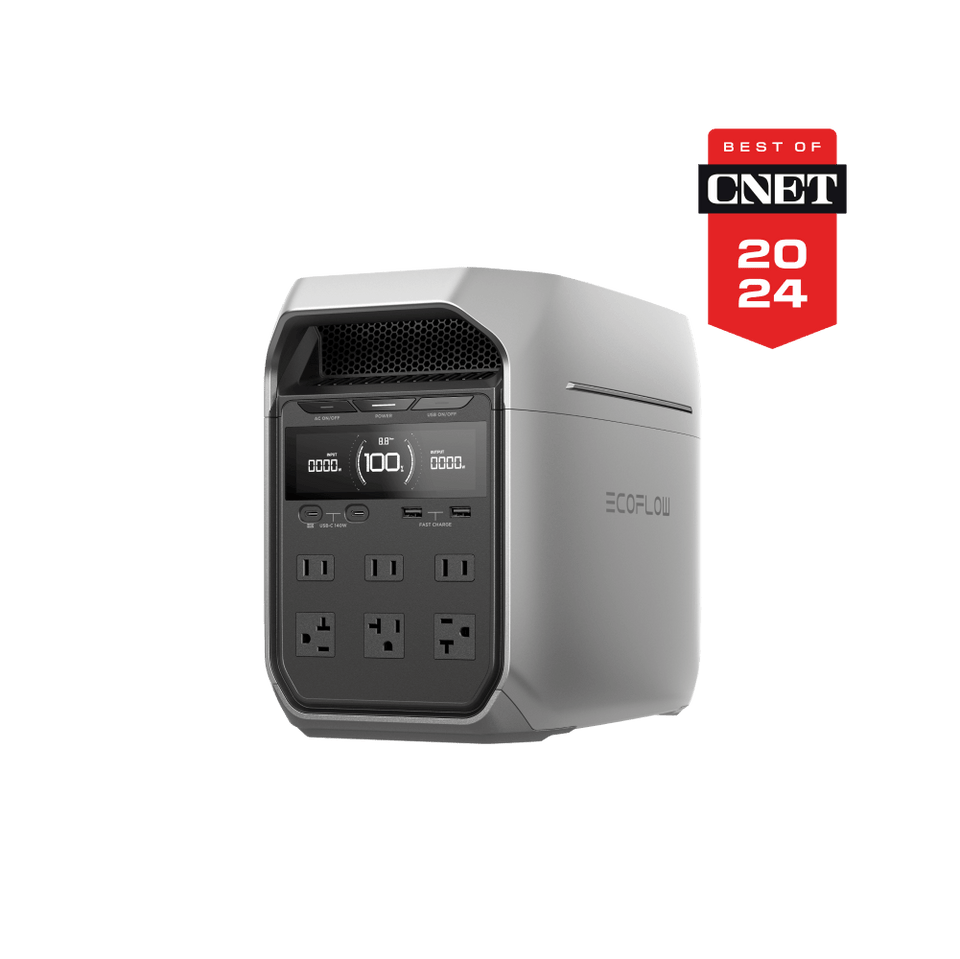
EcoFlow DELTA 3 Plus
Packs 1,000W dual-MPPT solar charging, sub-1-hour AC replenishment, and a sub-10 ms HID-capable UPS into a 27.6 lb chassis, making it more versatile than non-Plus 1kWh units.
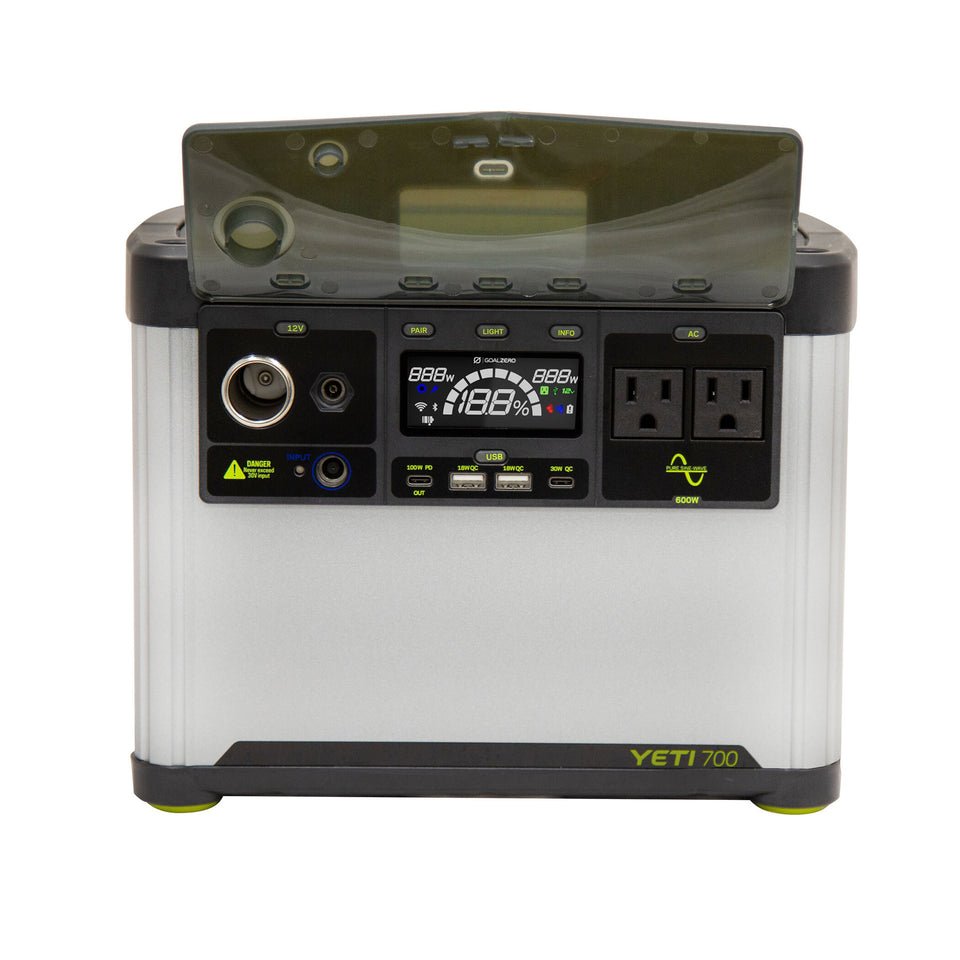
Goal Zero Yeti 700
Prioritizes IPX4 splash resistance, 4,000-cycle LFP longevity, and US-based warranty support over raw inverter wattage or solar charging speed.

BLUETTI AC70
With 705–730.6 Wh of independently measured usable AC output from a 768Wh battery and 500W solar input at ~$399–$449 street price, the AC70 punches above typical 500Wh–700Wh units.
Side-by-Side Specification Table
| Model | Capacity | Cont. / Surge AC | Solar Max | Weight | UPS | Street ($/Wh) |
|---|---|---|---|---|---|---|
| Jackery Explorer 2000 v2 | 2,042 Wh | 2,200W / 4,400W | 400 W | 39.5 lbs | <=20 ms (manufacturer rated) | $999 ($0.49) |
| EcoFlow DELTA 3 Plus | 1,024 Wh | 1,800W / 3,600W | 1,000 W | 27.6 lbs | <10 ms (manufacturer rated) | $699 ($0.68) |
| Goal Zero Yeti 700 | 677 Wh | 600W / 1,000W | 200 W | 20.3 lbs | Not Disclosed (supports pass-through power) | $549 ($0.81) |
| BLUETTI AC70 | 768 Wh | 1,000W / 2,000W | 500 W | 22.5 lbs | <=20 ms (manufacturer rated) | $429 ($0.56) |
Selection Criteria for This Guide
- Single-person carry weight (20–40 lbs) and compact, stackable dimensions for SUV trunks and truck beds
- Quiet acoustic operation (~25–30 dB) for sleeping inside tents, camper shells, or SUVs
- Direct 12V regulated DC ports and high-wattage USB-C PD (100W–140W) to run camp fridges and laptops without inverter idle waste
- Outdoor durability (e.g., IPX4 port sealing) and foldable portable solar panel compatibility (12V–60V Voc)
Selection Criteria & Evaluation Priorities
Campground quiet hours, trunk space, and 12V efficiency reshape what makes a power station “best.” Carrying a 62 lb home-backup box across wet gravel gets old fast, while oversized 3,000W+ inverters silently burn battery capacity all night just to keep a 40W electric blanket or 15W-average 12V fridge running. For camping and overlanding, we evaluate carry ergonomics, regulated 12V & USB-C output, acoustic refinement, and portable folding solar speed.
Individual Model Summaries
Jackery Explorer 2000 v2 — Best Long-Weekend 2kWh Camp Battery
Weighing just 39.5 lbs in a tidy 13.2 × 10.4 × 11.5 in block, the Jackery Explorer 2000 v2 doubles standard camp battery capacity without back strain. OutdoorGearLab gave it top portability marks for carrying 2,042Wh and 2,200W AC (4,400W surge)—enough for induction camp stoves, espresso machines, and multi-day 12V cooler autonomy—while running at ~30 dB in quiet mode. Its main camping compromise is a slow 400W solar ceiling requiring DC8020 adapters for third-party MC4 panels.
EcoFlow DELTA 3 Plus — Best Fast-Solar Weekend All-Rounder
At 27.6 lbs, the EcoFlow DELTA 3 Plus packs 1,024Wh, 1,800W AC, and 1,000W dual-MPPT solar (11V–60V Voc) alongside dual 140W USB-C ports and ~30 dB acoustics under 600W. If you pack two 200W–400W portable folding panels to remote dispersed campsites, the DELTA 3 Plus harvests midday sun roughly twice as fast as 500W peers.
Goal Zero Yeti 700 — Best IPX4 Weather-Resistant Overlanding Pick
Built in a rugged 20.3 lb rectangular tote (11.3 × 7.8 × 8.6 in) with fold-flat handles and sealed port covers, the Goal Zero Yeti 700 (677Wh, 4,000-cycle LFP) is the standout pick when dust, morning condensation, or rain splashes threaten exposed electronics. It trades raw inverter size (600W continuous AC, 200W solar) for IPX4 outdoor durability and a 5-year Salt Lake City warranty.
BLUETTI AC70 — Best Budget & Verified-Efficiency Camp Pick
Around $429 street (22.5 lbs), the BLUETTI AC70 (768Wh, 1,000W AC, 500W solar) delivers verified real-world endurance (705–730.59 Wh measured AC in independent tests) plus regulated 12V/10A and dual 100W USB-C outputs—easily handling CPAP machines, LED lighting, camera charging, and 12V portable fridges. (Note that 12V diesel camp heaters can spike above 10A during glow-plug ignition, so check heater startup amps or use an AC-to-DC power brick when running from a 10A cigarette socket.)
Performance & Specification Analysis
- 12V DC vs. 120V AC Camp Efficiency: Always power camp fridges, CPAP machines (with DC converters), and phones via the
12Vcigarette lighter orUSB-C PDports (100W–140W) while keeping the AC inverter switched off. Turning off the AC inverter prevents standby inverter draw from draining your pack overnight. - Cold-Weather Camping Rules: Every model listed discharges safely in chilly mornings (
-4°Fon AC70 and Yeti 700;5°Fon Explorer 2000 v2;14°Fon DELTA 3 Plus), but none of these unheated portable units allow charging below32°F (0°C). Warm the battery inside your vehicle or tent before plugging in morning solar panels on sub-freezing trips—check our Battery Storage Temperature & Safety Guide. - Diesel Heater Startup Note: Many campers run portable diesel air heaters on
12V. Remember that diesel glow plugs briefly pull10A–15Aon startup;10A(120W) cigarette lighter sockets can trip on cold ignition, making12V/30AXT60 stations like the Pecron E1500LFP worth noting for winter van campers.
Advantages & Disadvantages
- Advantages: Whisper-quiet campground etiquette (
~25–30 dB); zero carbon monoxide fumes near tents; rapid56–90 minutepre-trip grid top-offs; multi-thousand-cycle LFP longevity. - Disadvantages:
32°Fcharging lockout in winter; slow solar replenishment under dense forest canopy; larger cooking loads (electric induction, kettles) quickly drain677Wh–1,024Whbatteries.
Buying Considerations
Estimate your exact camp load—especially overnight CPAP wattage or 12V fridge runtime—in our Battery Runtime Estimator. If your camp meals depend on propane stoves and you mainly need power for lights, phones, camera batteries, and a 12V fridge, 677Wh–1,024Wh keeps pack size compact. If you want electric camp coffee makers and multi-day autonomy without setting up solar panels, step up to the 39.5 lb Jackery Explorer 2000 v2.
Alternatives
- Ultralight Under-10 lb Day-Trip Alternative: The
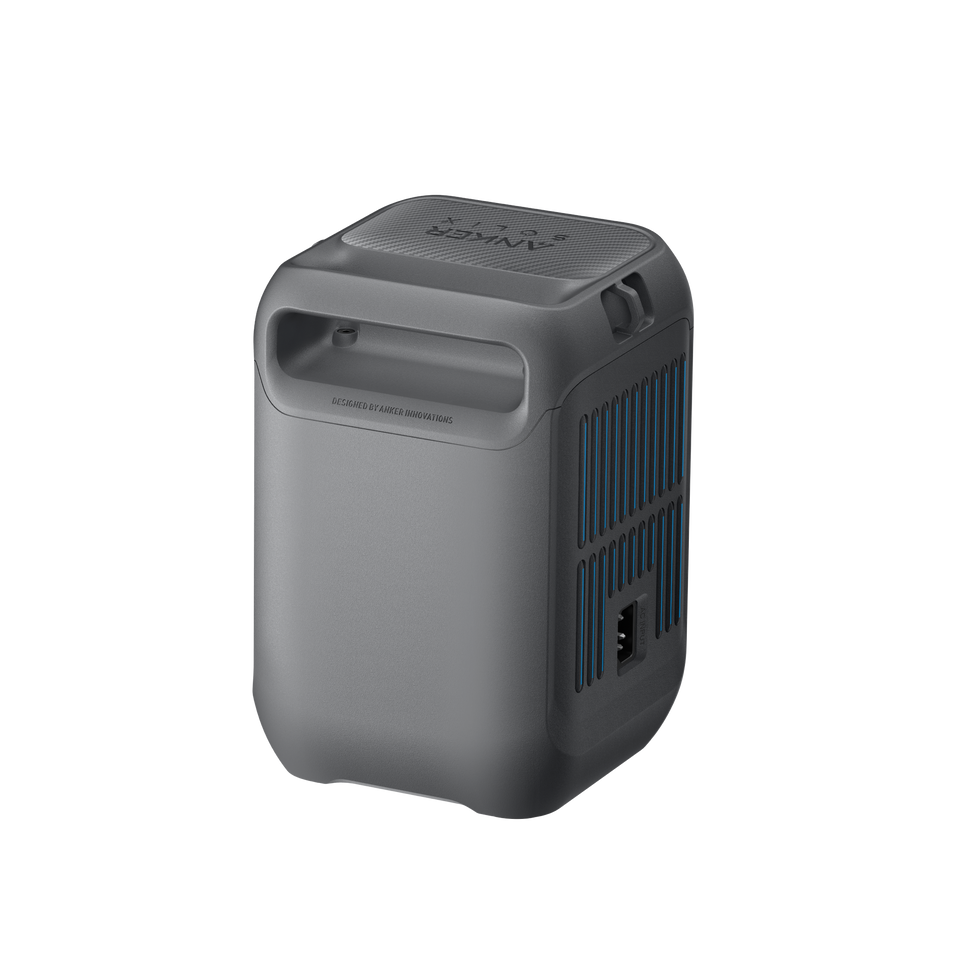
9.1 lbAnker SOLIX C300 (288Wh,300WAC, dual140WUSB-C) fits backpacks and day-trip totes around$229street. - Ultra-Quiet Creator & Van Alternative: The
28.7 lbDJI Power 1000 (23 dBquiet mode,2,200WAC) excels for drone operators and noise-sensitive sleepers if you add the SDC 12V or solar adapters.
Frequently Asked Questions
How long can a camping power station run a 12V portable refrigerator?+
A typical 40L–55L 12V camp fridge draws roughly 40W–50W when its compressor runs, averaging roughly 15W–25W over 24 hours in mild weather (360–600 Wh/day). Using the DC cigarette lighter socket avoids AC inverter losses, letting a 768Wh BLUETTI AC70 run roughly 24–36+ hours or a 2,042Wh Jackery 2000 v2 last multiple days.
Do I need IPX4 water resistance for camping?+
Most power stations—including EcoFlow, Jackery, and BLUETTI—are not waterproof and must be kept sheltered from rain and morning dew. If your unit rides in an open truck bed or sits under a breezy awning in wet Pacific Northwest weather, the Goal Zero Yeti 700's IPX4 sealed enclosure provides extra peace of mind.
What power station is quietest for tent or vehicle sleeping?+
For night charging or quiet cabin use, the DJI Power 1000 specifies an ultra-low 23 dB floor during standard AC charging, while EcoFlow DELTA 3 Plus (~30 dB under 600W) and Jackery Explorer 2000 v2 (~30 dB quiet mode) also keep fan noise low.
Sources & Technical References
- View Source →[1]Manufacturer SpecificationJackery US OfficialVerified 2026-11-24Jackery Explorer 2000 v2 Product Page & User Guide
2,042Wh LFP Cell-to-Body design, 39.5 lbs weight, 2,200W continuous AC, 400W dual DC8020 solar input.
- View Source →[2]Manufacturer SpecificationEcoFlow US OfficialVerified 2026-11-24EcoFlow DELTA 3 Plus Official Specifications
1,024Wh LFP, 1,800W continuous AC, 1,000W dual 500W MPPT solar, <10ms UPS, 1,500W X-Stream AC charging.
- View Source →[3]Manufacturer SpecificationGoal Zero OfficialVerified 2026-11-24Goal Zero Yeti 700 Portable Power Station Specifications
677Wh LFP, 600W AC, 1,000W surge, 200W solar max, IPX4 weather-resistant chassis, 5-year warranty.
- View Source →[4]Manufacturer SpecificationBLUETTI US OfficialVerified 2026-11-24BLUETTI AC70 Portable Power Station Official Specifications
768Wh LFP, 1,000W continuous AC, 2,000W Power Lifting resistive mode, 500W MPPT solar (12-58V, 10A), 950W Turbo AC charge.
- View Source →[5]Third-Party Independent ReviewOutdoorGearLabVerified 2026-11-24Jackery Explorer 2000 v2 Independent Review & Benchmark Testing
Reports ~2.5 hour full AC recharge (~817 Wh/hr average), high portability score for 2kWh class, and solar expansion trade-offs.
- View Source →[6]Third-Party Independent ReviewAPH NetworksVerified 2026-11-24BLUETTI AC70 Portable Power Station Load Test Review
Constant 136W AC load discharge test measured 730.59 Wh usable output (~95% of rated 768Wh cell capacity; ~92.5% net inverter efficiency).
- View Source →[7]Third-Party Independent ReviewPowerOffGridVerified 2026-11-24BLUETTI AC70 Usable AC Capacity & Inverter Efficiency Test
250W continuous resistive load AC discharge test recorded 705 Wh usable AC output (~90% overall system efficiency).