Can You Use a Generator in an Apartment? Indoor Safety, Codes & Quiet Picks
Why fuel generators fail fire codes and pose fatal CO hazards on balconies—plus quiet UL-listed LiFePO4 UPS setups, balcony solar limits, and fridge picks.
You cannot safely or legally run any gasoline, propane, or dual-fuel generator inside an apartment or on a balcony due to fatal carbon monoxide poisoning, fire codes, and noise limits. Instead, UL-listed LiFePO4 portable power stations operate indoors with zero exhaust at roughly 25–30 dB under light loads—keeping Wi-Fi routers, laptops, CPAPs, and refrigerators powered quietly until grid service returns.
Many apartment buildings run commercial standby generators during blackouts—keeping elevators, exit signs, and hallway lights lit while every outlet inside individual tenant kitchens goes completely dead. When renters search for a “generator for an apartment,” however, traditional advice clashes immediately with multi-family physics and local fire ordinances.
The short answer splits strictly by technology: no fuel-burning generator belongs inside an apartment or on a balcony, whereas UL-listed LiFePO4 (LFP) portable power stations provide silent, emission-free indoor backup tailored to tight spaces.
Why Fuel Generators Are Fatal and Prohibited in Apartments
Whether a small portable engine burns gasoline, propane, or dual-fuel, combustion creates colorless, odorless carbon monoxide (CO)—making every apartment configuration hazardous:
- Balconies Trap Deadly Exhaust: Recessed balconies, overhangs, and nearby exterior walls swirl engine exhaust directly against patio door weatherstripping, cracked windows, and building fresh-air vents. CO gas can poison both your unit and neighbors upstairs or next door within minutes. Even quiet inverter gas generators require at least 20 feet of open-air separation from doors, windows, and vents per US safety standards.
- NFPA & Municipal Fire Codes Ban Fuel Storage: Fire codes strictly prohibit storing gasoline jerrycans or liquid-propane cylinders inside apartments, hallway closets, or balconies due to vapor ignition and multi-unit evacuation risks.
- Acoustic Lease Violations: Small combustion engines typically run at 58–75+ dB (loud enough to reverberate off concrete balconies and violate lease quiet-enjoyment rules immediately).
For a deeper look at combustion versus battery tradeoffs, see Portable Power Station vs. Gas Generator.
Why UL-Listed LiFePO4 Stations Work Safely Indoors
A portable power station is simply an oversized lithium battery paired with an electronic pure sine wave inverter—there is no engine, no fuel tank, and zero exhaust. Modern LiFePO4 (LFP) batteries carry UL / FCC / UN38.3 listings, avoid thermal-runaway profiles associated with older cobalt-rich cells, and typically specify 3,000–4,000 charge cycles.
Acoustic ratings also match thin apartment walls when operating at light loads or in quiet charging profiles:
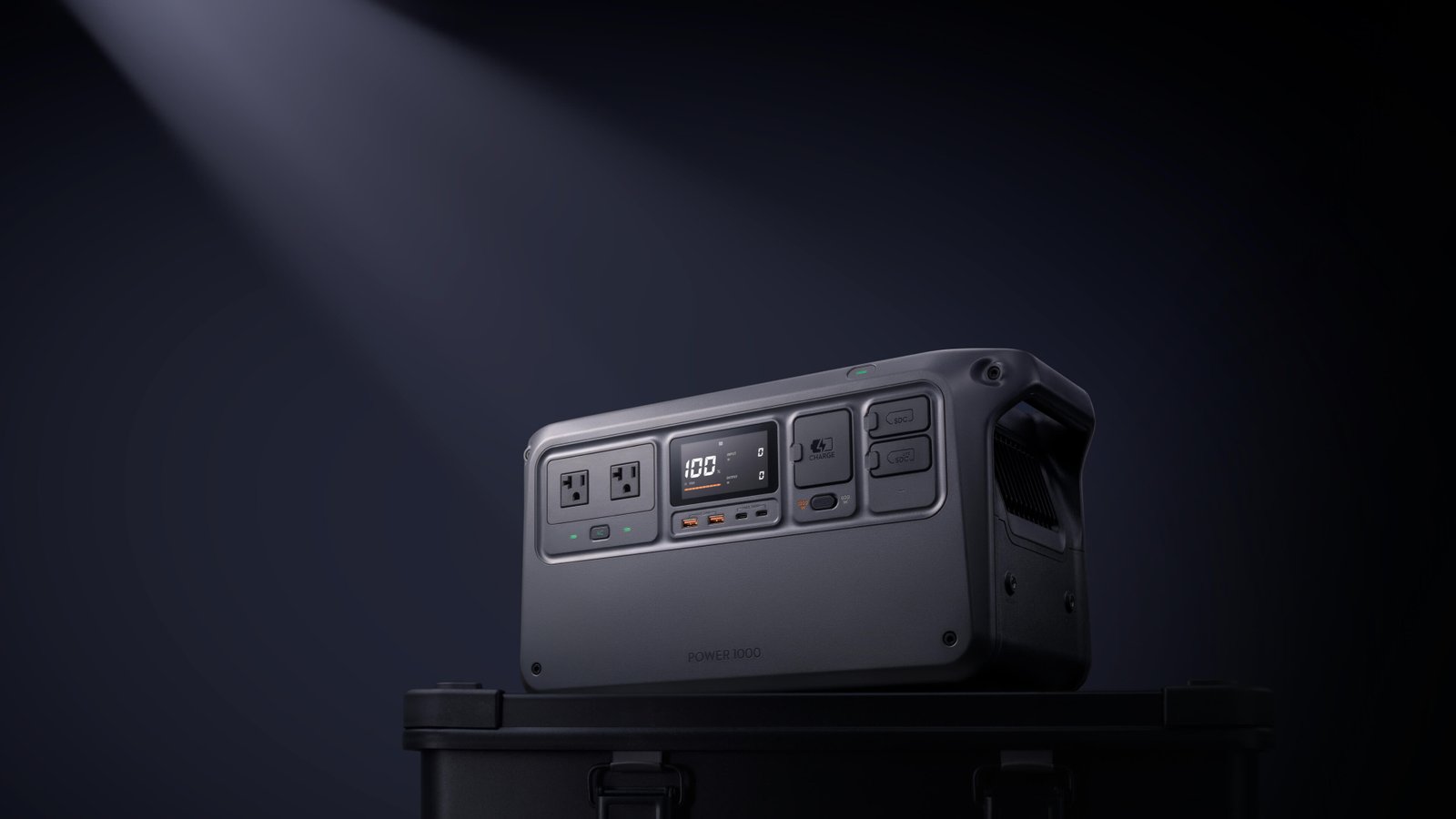
- DJI Power 1000: Manufacturer-rated as low as
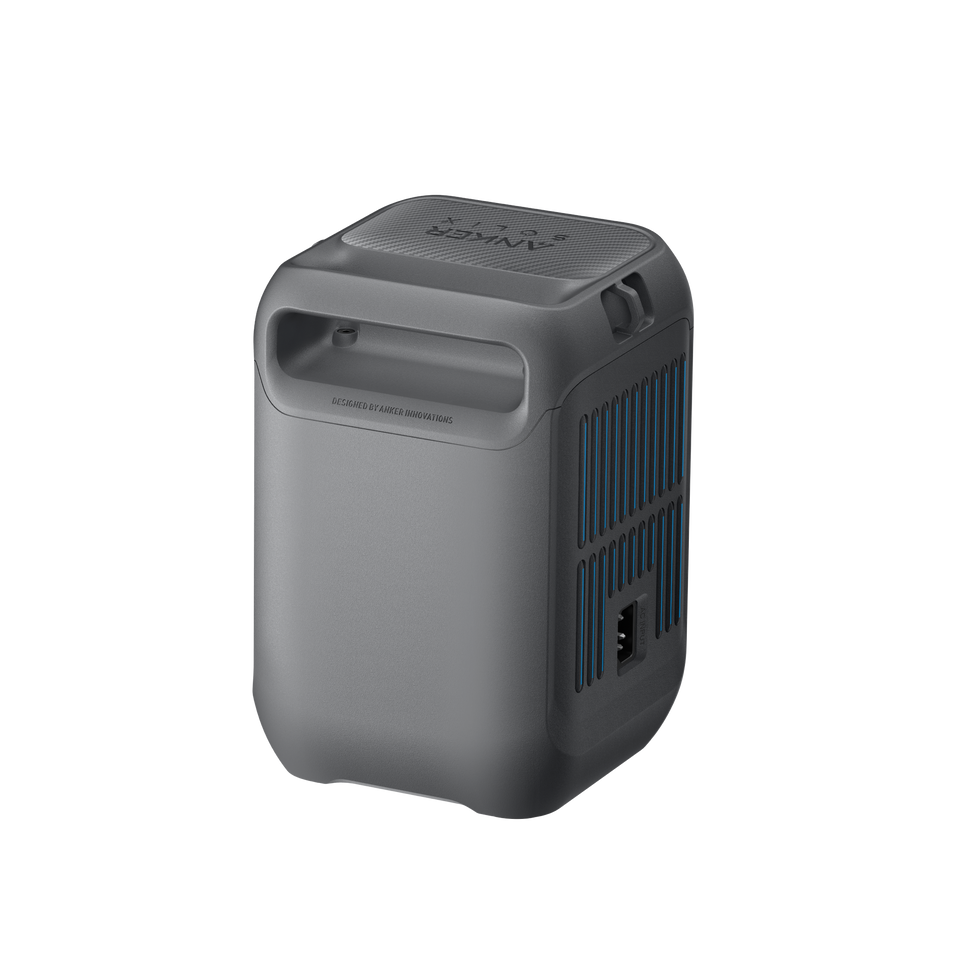
23 dBduring standard AC recharging. - Anker SOLIX C300: Manufacturer-rated around
~25 dB. - EcoFlow DELTA 3 Plus: Manufacturer-rated
~30 dBunder600Woutput. - Jackery Explorer 2000 v2: Manufacturer-rated
~30 dBin quiet charging mode.
For context, 25–30 dB is quieter than a whispering bedroom or a running kitchen refrigerator (~35–42 dB).
Lease, Building Code & Placement Rules Renters Should Follow
- Cord-and-Plug Loads Only: Plug routers, lamps, laptops, CPAP units, or your refrigerator directly into the power station’s front AC/DC outlets. Never alter apartment breaker panels or attempt to feed building wall outlets (which violates NFPA 70 / NEC and property leases).
- Give Vents Room to Breathe: Leave at least 6 inches of airflow clearance around intake and exhaust fans—avoid running high-wattage loads inside tightly sealed pantry cabinets.
- Keep Heavy Loads Off Thin Extension Cords: If plugging in an apartment refrigerator, use a short, heavy-duty
12–14 AWGappliance cord if the station can’t sit beside the fridge.
Balcony Solar Panels: Honest Shade, Glass & Orientation Reality
Adding a 200W–400W folding solar panel helps during multi-day grid failures, provided you account for three apartment bottlenecks before counting on sun power:
- Window Glass Drops Output ~30%–50%+: Placing a portable panel indoors behind modern double-pane or Low-E UV/IR-coated apartment glass immediately strips roughly 30% to 50%+ of usable solar wattage, and vertical window tilt loses even more midday energy.
- Balcony Shadows & Compass Orientation: Balcony roofs, neighboring buildings, and vertical metal railings cast strips of shade across solar panels. Shading even 10%–20% of an un-bypassed folding panel can collapse string output dramatically. North-facing balconies receive almost no direct sun, while east- or west-facing balconies typically capture only 2–3 direct hours daily.
- Wind & Railing Safety: Check HOA/lease rules before setting anything on a balcony—always angle panels safely inside the balcony floor area and tether them against gusts rather than hanging loose hardware over pedestrian walkways below.
The Renter’s Smart Strategy: Because wall outlets refill modern LFP stations in 56 minutes to ~2.5 hours, always charge to 90%–100% from grid power ahead of storm warnings, and treat a 200W–400W folding panel strictly as daytime maintenance insurance. Always confirm panel open-circuit voltage (Voc) stays safely within your station’s manual limit.
Best Apartment Outage Setups (Stairs vs. Elevator Check)
Match your battery size to what you realistically need to keep running—and how far you have to carry it up apartment stairs:
| Renter Priority | Recommended Model | Capacity & Weight | Noise & UPS Profile | Realistic Apartment Runtime |
|---|---|---|---|---|
| Compact Wi-Fi, Phone & Laptop UPS | Anker SOLIX C300 (Model A1722 w/ AC) | 288 Wh / 9.1 lbs |
~25 dB (mfr), <10 ms UPS |
~9–10+ hrs on 25W router/ONT; dual 140W USB-C PD for laptops. (Verify A1722 AC vs C300 DC!) |
| Home Office, NAS & Fast Storm Prep | EcoFlow DELTA 3 Plus | 1,024 Wh / 27.6 lbs |
~30 dB <600W (mfr), <10 ms HID UPS |
~6.5–7.5 hrs for 110W laptop/monitor + 25W router; ~56 min wall recharge; 1,000W solar ready. |
| Walk-Up Stairs Full Fridge Backup | Jackery Explorer 2000 v2 | 2,042 Wh / 39.5 lbs |
~30 dB quiet mode, <=20 ms |
~22–30 hrs est. on standard modern kitchen fridge; single-person carry up 3rd-floor stairs (400W solar cap). |
| Elevator / Stationary Max Fridge Endurance | BLUETTI AC200L | 2,048 Wh / 62.4 lbs |
Quiet/Std app modes, <=20 ms |
>29 hrs verified (CNET standardized fridge test; 77.76% RTE); expandable & 1,200W solar ready. |
Note: If acoustic quietness is everything in a small studio, the DJI Power 1000 (1,024Wh, 2,200W AC, 28.7 lbs) delivers a 23 dB quiet charging spec and dual 140W USB-C ports, though adding solar or 12V car plugs requires optional DJI SDC adapters. Use our Battery Runtime Calculator to estimate hours for your exact apartment equipment.
Noise-Friendly Charging & Storage Habits for Tight Spaces
Living inches away from your backup battery calls for different daily habits than storing a generator in a detached garage:
- Use “Silent” or “Slow” AC Charging Modes Overnight: When grid power is normal, high-speed
1,500W–2,400WTurbo charging spins cooling fans audibly (45–55+ dB). Toggle your unit’s app charging limit down to300W–600Wfor routine charging, saving full-speed charging strictly for urgent weather alerts. - Use
<10 msUPS Wisely for Home-Office Routers: Units like the EcoFlow DELTA 3 Plus (<10 msHID UPS) or Anker SOLIX C300 (<10 ms) keep fiber ONTs, Wi-Fi routers, and desktop PCs online through sudden brownouts without interruption—learn how transfer timing works in What Is UPS & EPS Switching?. - Bypass the AC Inverter for Devices & Laptops: Plugging laptops and phones straight into 100W/140W USB-C PD ports with the AC inverter switched OFF eliminates cooling-fan hum and delivers
88%–93%usable battery efficiency (versus78%–88%over AC). - Store Away From Windows and Radiators: Keep standby LiFePO4 packs around 50%–80% State of Charge in a dry interior hall closet (
50°F–77°F), and top back to 100% whenever severe storms enter the forecast. Review full indoor care guidelines in Battery Storage, Temperature & Safety Guide.
Models Discussed in This Article
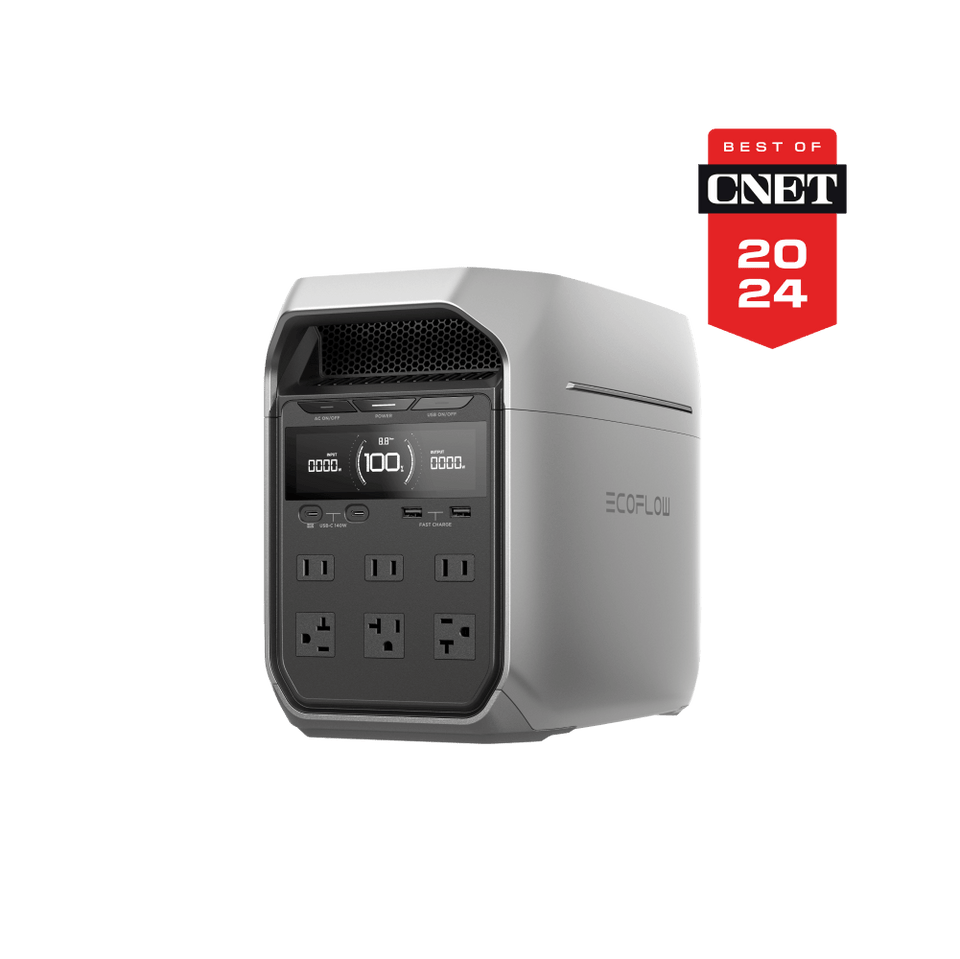
EcoFlow DELTA 3 Plus
Packs 1,000W dual-MPPT solar charging, sub-1-hour AC replenishment, and a sub-10 ms HID-capable UPS into a 27.6 lb chassis, making it more versatile than non-Plus 1kWh units.
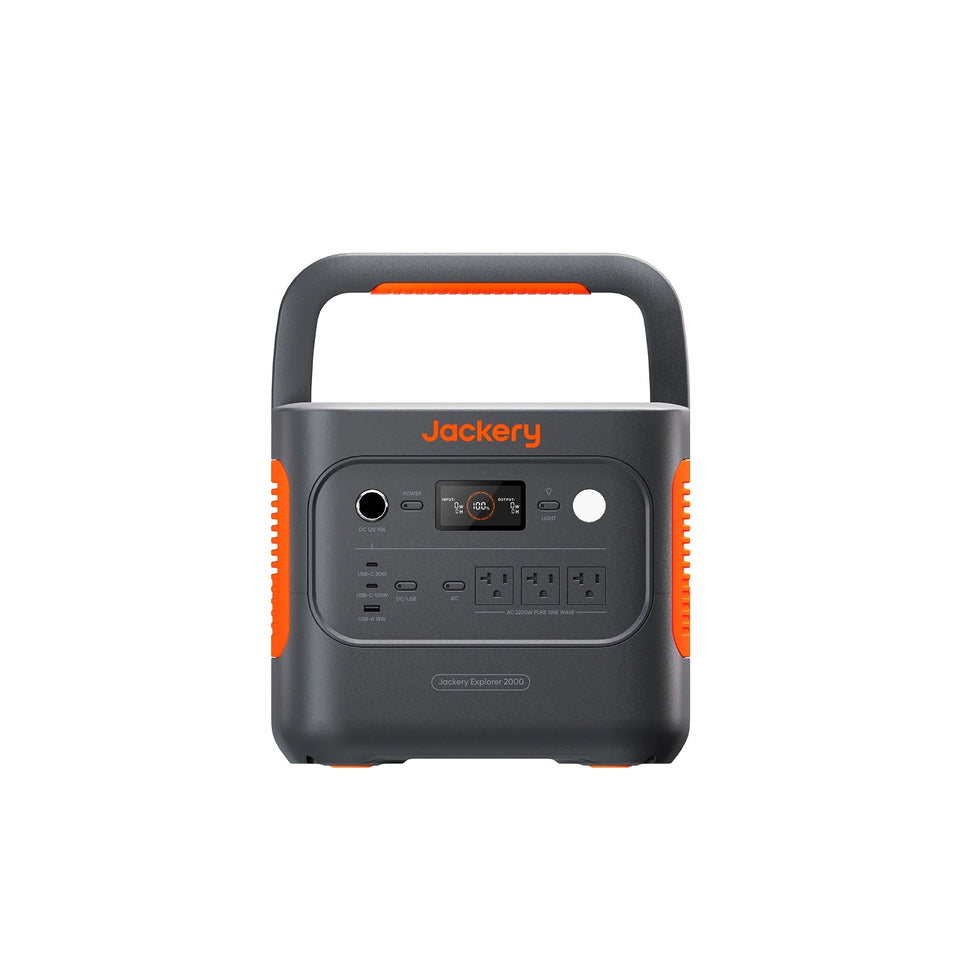
Jackery Explorer 2000 v2
A breakthrough 39.5 lb chassis makes 2,042Wh genuinely single-hand portable for camping and apartments, provided you accept its 400W solar recharge ceiling and non-expandable battery.
BLUETTI AC200L
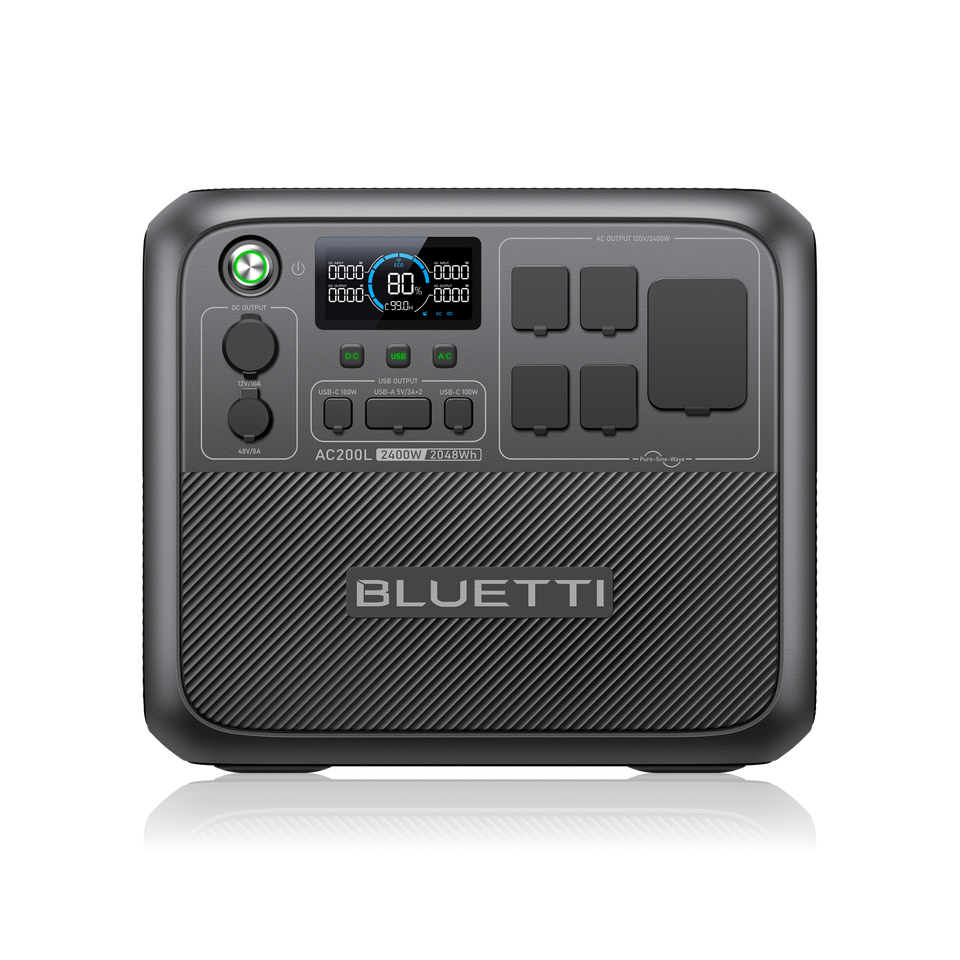
Combines a high-efficiency 2,048Wh expandable platform, 1,200W high-voltage solar input (12–145V), and dedicated 30A TT-30R + 48V DC RV outputs at strong street pricing, trading away light weight and built-in wheels.
Anker SOLIX C300
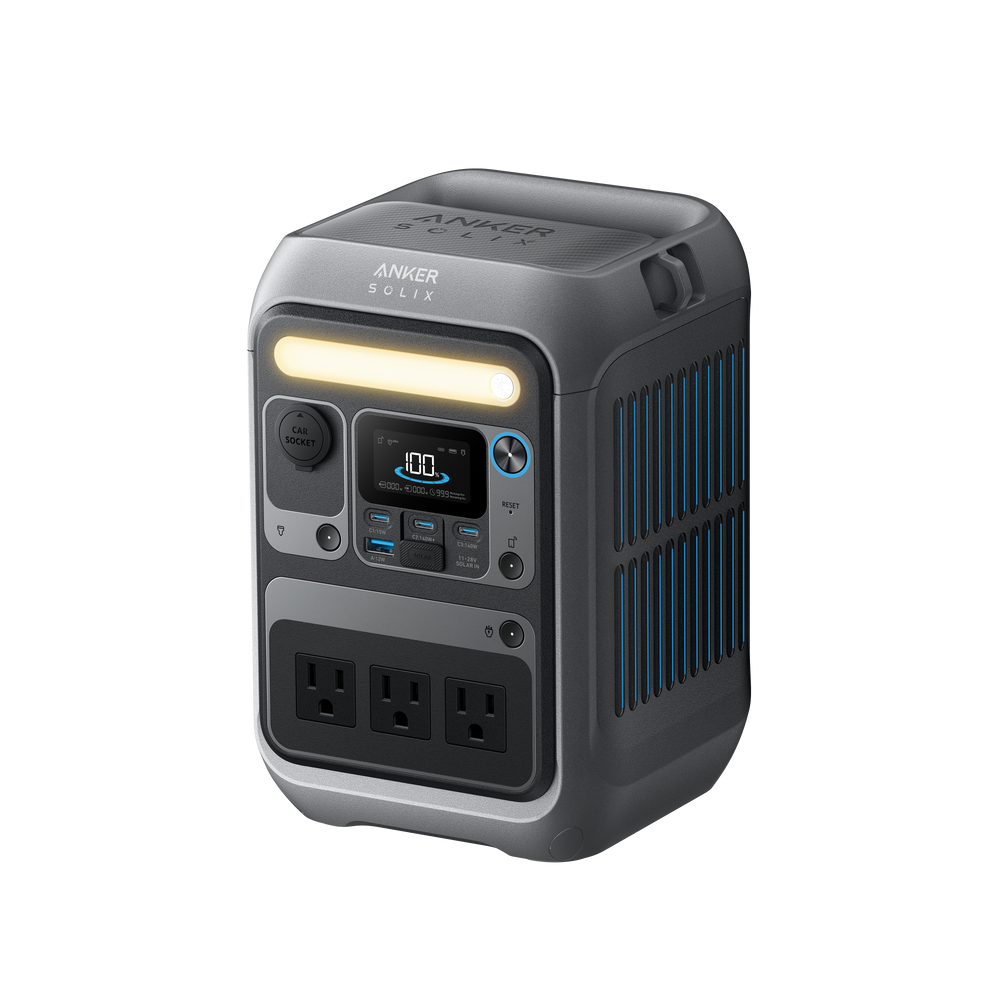
A 9.1 lb vertical LiFePO4 station delivering 300W AC, dual 140W USB-C ports, and <10 ms UPS backup for routers, laptops, and day trips — just don't confuse it with the DC-only C300 DC or expect appliance runtime.
Frequently Asked Questions
Is it safe to run a small inverter propane or gas generator on an open apartment balcony?+
No. Even with sliding glass doors shut, an open or recessed apartment balcony traps swirling exhaust pockets that seep through door seals, soffits, and adjacent unit windows or HVAC intakes. Safe combustion generator guidelines require placing fuel engines outdoors at least 20 feet away from doors, windows, and vents—impossible in multi-unit apartments—and fire codes generally bar storing fuel cans or LP cylinders on balconies.
Can solar panels charge a power station through my apartment window glass?+
Technically yes, but poorly. Modern double-pane and Low-E UV/IR-coated apartment windows block roughly 30%–50%+ of solar energy before it ever reaches the panel, and indoor angles drop harvest even lower. Treat folding panels as sunny outdoor balcony supplements and charge your battery mainly from the wall outlet before storms.
Will a portable power station trigger my apartment's lease ban on generators?+
Most lease bans and municipal fire ordinances target internal-combustion engines, flammable fuels, exhaust fumes, and loud outdoor motors. A UL-listed LiFePO4 portable power station contains zero fuel, produces zero emissions, and functions indoors like a large computer UPS battery—though you should never tie it into building breaker wiring or hang unsecured panels over balcony railings.
What size indoor battery do I need to keep an apartment refrigerator cold during an outage?+
Target roughly 1,500Wh to 2,048Wh if you want 24+ hours of refrigerator backup without constant recharging. A 2,048Wh unit like the BLUETTI AC200L exceeded 29 hours in CNET's standardized fridge test, while the 39.5 lb Jackery Explorer 2000 v2 carries easily up walk-up stairs and delivers ~22–30 hours for typical modern fridges.
Sources & Technical References
- View Source →[1]Manufacturer SpecificationEcoFlow US OfficialVerified 2026-11-24EcoFlow DELTA 3 Plus Official Specifications
1,024Wh LFP, 1,800W continuous AC, 1,000W dual 500W MPPT solar, <10ms UPS, 1,500W X-Stream AC charging.
- View Source →[2]Manufacturer SpecificationJackery US OfficialVerified 2026-11-24Jackery Explorer 2000 v2 Product Page & User Guide
2,042Wh LFP Cell-to-Body design, 39.5 lbs weight, 2,200W continuous AC, 400W dual DC8020 solar input.
- View Source →[3]Manufacturer SpecificationBLUETTI US OfficialVerified 2026-11-24BLUETTI AC200L Portable Power Station Official Specifications
2,048Wh LFP, 2,400W continuous AC, 3,600W Power Lifting mode, NEMA TT-30R + 48V/8A DC RV port, 1,200W solar (12-145V).
- View Source →[4]Manufacturer SpecificationAnker SOLIX US OfficialVerified 2026-11-24Anker SOLIX C300 Portable Power Station (Model A1722) Specifications
288Wh LFP AC-equipped model (distinct from DC-only C300 DC), 300W AC, 600W SurgePad, 100W XT60 solar, <10ms UPS.
- View Source →[5]Technical & Safety StandardNational Fire Protection Association (NFPA)Verified 2026-11-24NFPA 70 National Electrical Code (NEC) Transfer Equipment & Standby Power Overview
Governs transfer switches, panel interlocks, and prohibition of unsafe backfeeding on US residential electrical panels.