Battery Storage, Temperature & Safety Guide: Protecting LiFePO4 Longevity
Best practices for long-term storage state of charge, freezing-temperature charging limits, summer heat avoidance, ventilation clearances, IP ratings, and electrical safety.
Store LiFePO4 power stations indoors in a dry, temperate space around 50%–80% state of charge (per your specific manual), check and cycle them every 3–6 months, and never charge standard lithium batteries below 32°F (0°C) unless built-in self-heating is verified. No lithium battery system is completely risk-free—always keep cooling vents clear, avoid water intrusion, and retire any unit showing swelling, odor, or physical damage.
Key Technical Takeaways
- Avoid storing power stations indefinitely at 0% (risk of deep-discharge cell bricking) or 100% in hot rooms (accelerates calendar aging).
- Virtually all LFP stations in our database require 32°F+ (0°C+) ambient temps for charging—only specialized units like EcoFlow DELTA Pro Ultra offer built-in self-heating down to -4°F.
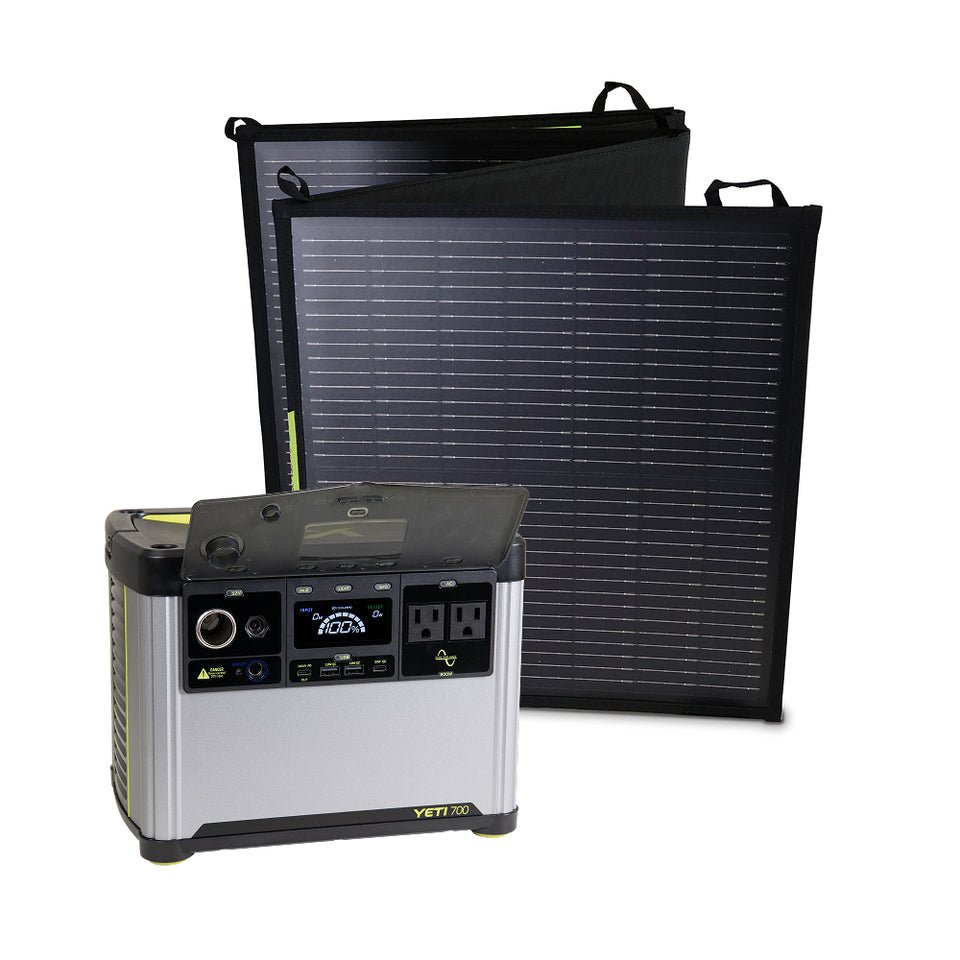
- IPX4 weather sealing (e.g., Goal Zero Yeti 700 with covers closed) protects against light splashes—most power stations have open cooling fans and must stay dry.
A portable power station often sits untouched for months between camping seasons or storm blackouts—only to be pressed into high-wattage service during extreme summer heat or freezing winter storms. Following simple storage, temperature, and physical handling discipline keeps LiFePO4 packs healthy for years and reduces preventable electrical and thermal risks.
Long-Term Storage State of Charge (SoC) & Cycling Habits
Lithium batteries experience calendar aging even when unplugged. Two extremes cause avoidable wear:
- Do Not Store at 0% (Risk of Deep-Discharge Lockout): Even after a power station shuts down at “0%” display readout, BMS standby electronics continue sipping minuscule current. Leaving a depleted unit untouched in a closet for months can pull cell voltage below the safe recovery threshold, locking out the BMS permanently.
- Avoid Prolonged Hot Storage at 100%: Keeping lithium cells continuously at 100% SoC—especially in warm spaces—accelerates electrolyte oxidation and capacity fade.
- Recommended Readiness Routine: Store your unit around 50%–80% SoC (verify your manufacturer’s exact manual recommendation), turn the main power button completely OFF (not just AC/DC switches off while the screen/Wi-Fi stays awake), and inspect/recharge every 3 to 6 months. When severe weather approaches, charge to 100% 24 hours ahead of the storm.
Temperature Windows: The 32°F Charging Trap & Summer Heat
Check the charging and discharging operating temperature specs across our verified models:
| Model | Safe Charging Temp Range | Safe Discharging Temp Range | Notes |
|---|---|---|---|
| EcoFlow DELTA Pro Ultra | -4°F to 113°F (-20°C to 45°C) | -4°F to 113°F (-20°C to 45°C) | Automatic battery self-heating warms cold cells before charging. |
| Jackery Explorer 2000 v2 / 5000 Plus | 32°F to 113°F (0°C to 45°C) | 5°F to 113°F (-15°C to 45°C) | Standard LFP low-temp charge protection cuts off near freezing. |
| EcoFlow DELTA 3 Plus / DJI Power 1000 | 32°F to 113°F (0°C to 45°C) | 14°F to 113°F (-10°C to 45°C) | Charge indoors; allow frozen units to warm naturally before plugging in. |
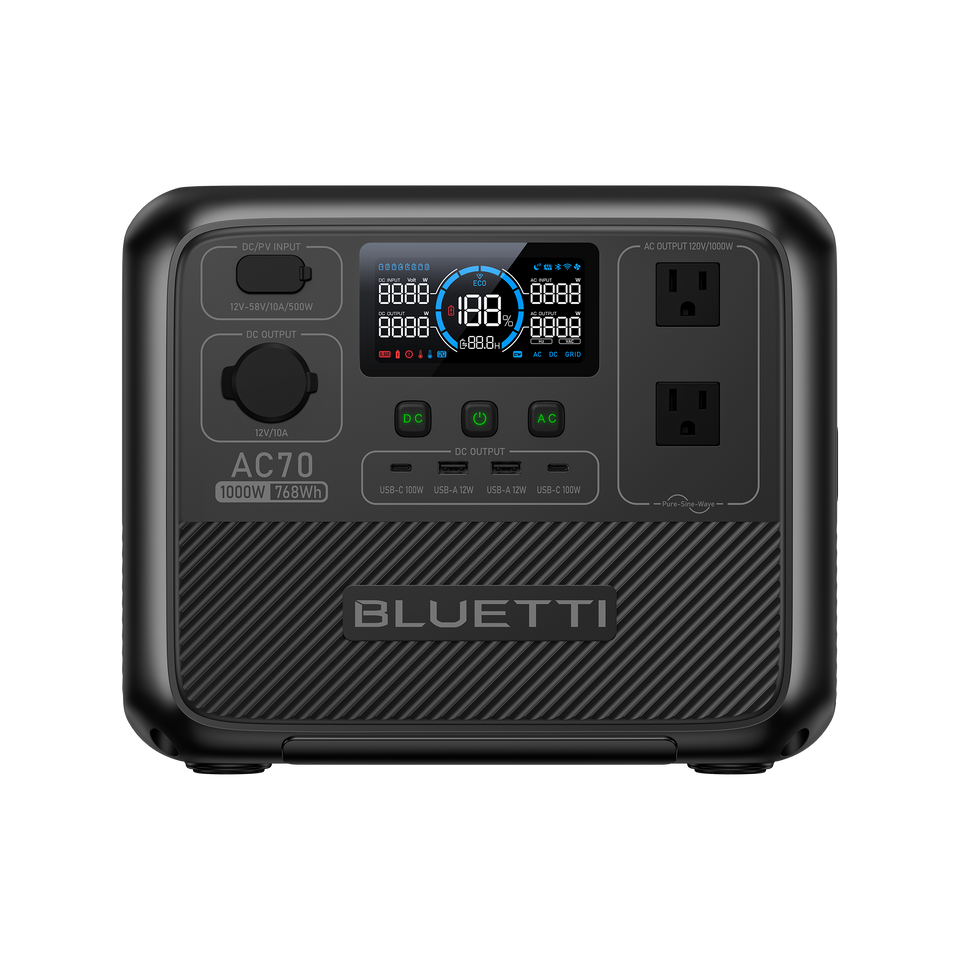
| BLUETTI AC200L / AC70 / Anker F3800 | 32°F to 104°F (0°C to 40°C) | -4°F to 104°F (-20°C to 40°C) | Wide cold discharge tolerance, strict 32°F+ charging threshold. |
- Never Bypass Cold-Charge Lockouts: If your power station has been sitting in a freezing car trunk or cold shed, bring it indoors and let the internal cells warm gradually above 32°F (0°C) before connecting AC or solar charging.
- Keep Out of Hot Parked Cars & Direct Sun: Interior vehicle temperatures easily exceed 130°F–150°F in summer, triggering thermal shutdowns and shortening battery life. When charging outdoors with solar panels, place the power station in the shade while panels face the sun.
Moisture, Dust & Cooling Vent Clearances
Most portable power stations rely on active cooling fans pulling ambient air directly across inverter heat sinks:
- Open Vents vs. IPX4 Splash Protection: Only specialized outdoor models like the Goal Zero Yeti 700 carry an IPX4 weather-resistant chassis rating (strictly when exterior port doors are sealed shut). Standard stations—even high-end 240V models—can suffer short circuits or corrosion from rain, condensation, blowing snow, or damp basement floors.
- Maintain Airflow Clearance: Never tuck a running power station inside an airtight cabinet, under blankets, or tightly up against walls. Leave several inches of clear airflow around all intake and exhaust vents, especially during high-wattage AC fast charging or heavy continuous output.
Physical Lifting, Cords & Mandatory Risk Reminders
- Weight & Ergonomics: Don’t underestimate lifting weight when buying for emergencies. While a 20.3 lb Yeti 700 or 39.5 lb Jackery Explorer 2000 v2 lifts easily, a 62.4 lb BLUETTI AC200L (no wheels) or 132+ lb Anker F3800 / Jackery 5000 Plus can cause serious back strain on stairs. Keep heavy modular towers secured on level ground away from flood-prone basement corners.
- Inspect Cords & Firmware: Never daisy-chain cheap multi-tap power strips on high-wattage loads, replace frayed extension cords immediately, and check official brand apps periodically for BMS safety firmware updates.
- Zero-Risk Myth: No battery energy storage system is completely risk-free. If a station suffers a severe drop, water submersion, burning odor, abnormal swelling, smoke, or persistent BMS fault codes, disconnect all inputs/loads safely, move it outdoors away from combustible structures if safe to do so, and contact the manufacturer’s support team immediately.
For safe home panel integration principles, review Transfer Equipment & Professional Installation, or compare temperature and warranty ratings across all 12 models in the Compare Tool.
Frequently Asked Questions
What battery percentage should I keep my power station at during emergency readiness storage?+
Most manufacturers recommend storing LiFePO4 stations at roughly 50%–80% state of charge (check your exact manual) and checking them every 3–6 months. If an approaching hurricane or winter storm is forecast, top up to 100% right before the event, then discharge back down toward ~60%–80% afterward if power stays on.
Can I store my portable power station in an unheated garage or shed all year?+
Only if temperatures stay safely within manufacturer storage tolerances and you bring the unit indoors to warm above freezing before charging. Extreme summer garage heat (above 104°F–113°F) permanently degrades cell life, while freezing garages prevent safe emergency charging on non-heated units.
Are LiFePO4 power stations completely fireproof and risk-free indoors?+
No. While LiFePO4 chemistry is substantially more thermally stable than older NMC cobalt-based lithium cells, no high-energy battery system is completely risk-free. Faulty cords, overloaded outlets, blocked fans, moisture intrusion, or physical impact can still create electrical or thermal hazards.
Sources & Technical References
- View Source →[1]Manufacturer User ManualEcoFlow Support DocumentationVerified 2026-11-24EcoFlow DELTA Pro Ultra User Manual & Technical Datasheet
Documents High-PV (80-450V, 15A, 4,000W) and Low-PV (30-150V, 15A, 1,600W) limits, operating temps, and UPS switching behavior.
- View Source →[2]Manufacturer SpecificationBLUETTI US OfficialVerified 2026-11-24BLUETTI AC200L Portable Power Station Official Specifications
2,048Wh LFP, 2,400W continuous AC, 3,600W Power Lifting mode, NEMA TT-30R + 48V/8A DC RV port, 1,200W solar (12-145V).
- View Source →[3]Manufacturer SpecificationGoal Zero OfficialVerified 2026-11-24Goal Zero Yeti 700 Portable Power Station Specifications
677Wh LFP, 600W AC, 1,000W surge, 200W solar max, IPX4 weather-resistant chassis, 5-year warranty.
- View Source →[4]Manufacturer SpecificationJackery US OfficialVerified 2026-11-24Jackery Explorer 2000 v2 Product Page & User Guide
2,042Wh LFP Cell-to-Body design, 39.5 lbs weight, 2,200W continuous AC, 400W dual DC8020 solar input.
- View Source →[5]Technical & Safety StandardNational Fire Protection Association (NFPA)Verified 2026-11-24NFPA 70 National Electrical Code (NEC) Transfer Equipment & Standby Power Overview
Governs transfer switches, panel interlocks, and prohibition of unsafe backfeeding on US residential electrical panels.