Jackery Explorer 240 vs. Explorer 300: Decoding Legacy NMC vs. v2 and Plus LFP Upgrades
Compare Jackery Explorer 240 v1/v2 and Explorer 300/300 Plus across LFP vs. NMC cycle life, AC outlets, 100W USB-C PD, fast charging, and camp portability.
Comparing "Jackery 240 vs. 300" in 2026 spans four distinct models: legacy NMC Explorer 240 v1 (240Wh, 200W AC, 500 cycles, zero USB-C) and NMC Explorer 300 (293Wh, 300W AC, 2 AC outlets, 60W USB-C) versus modern LiFePO4 Explorer 240 v2 (256Wh, 300W AC, 1-hr AC charge, 100W USB-C) and Explorer 300 Plus (288Wh, 300W AC, dual USB-C, 8.27 lbs). Expect ~78%–88% AC (~187–258Wh) or ~88%–93% DC (~211–272Wh), and prioritize 3,000+ cycle LFP v2/Plus units.
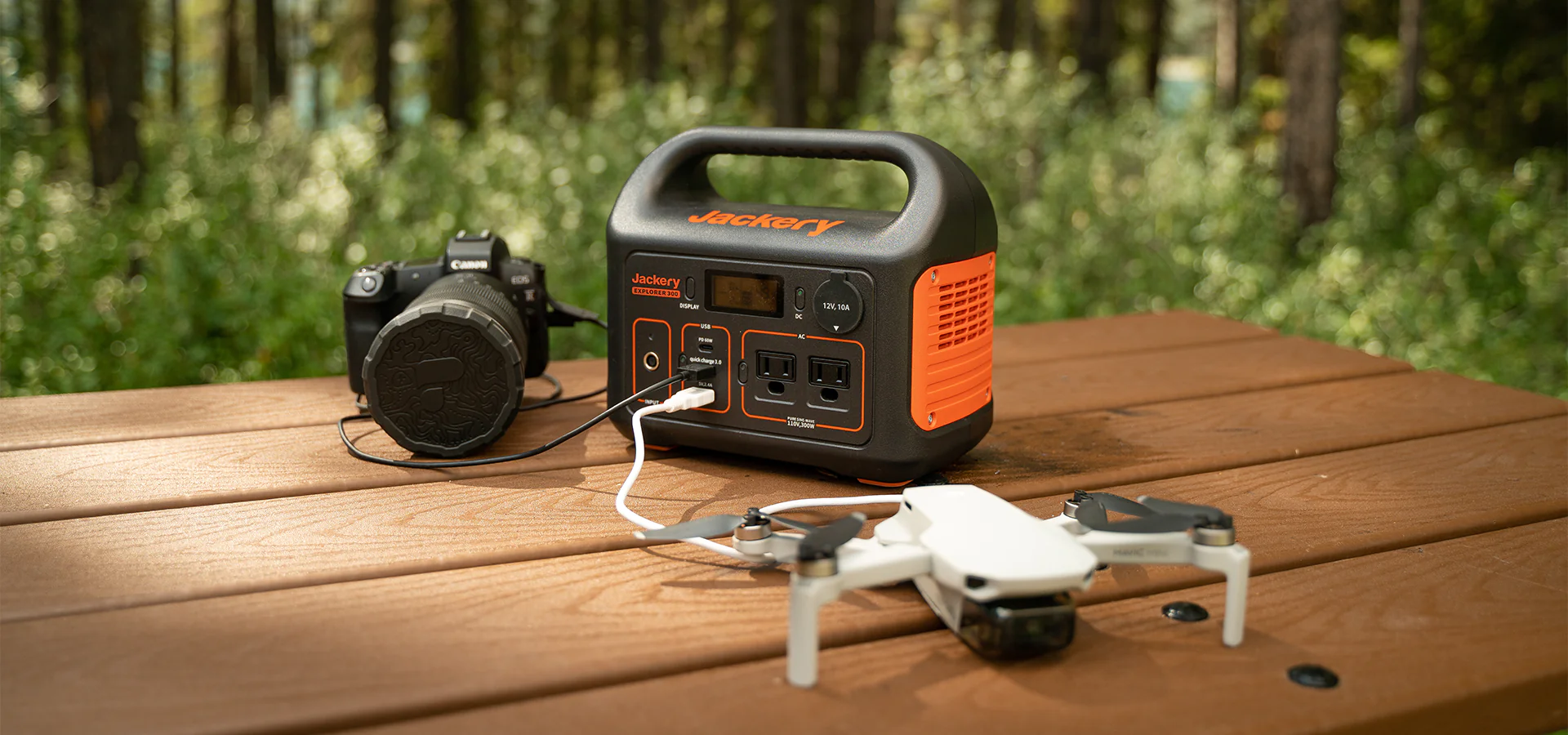
Searching Amazon, big-box clearance racks, or secondhand marketplaces for Jackery Explorer 240 vs. Explorer 300 creates an immediate trap: both model numbers now exist in two completely different battery eras.
Side by side on a product thumbnail, an orange-and-gray Explorer 240 (v1) looks nearly identical to an Explorer 240 v2, just as a classic Explorer 300 shares shelf space with the Explorer 300 Plus. Yet inside the plastic housing, Jackery swapped 500-cycle NMC cells, external charging bricks, and absent USB-C ports for 3,000+ cycle LiFePO4 batteries, 100W USB-C PD, and internal 1–2 hour AC chargers.
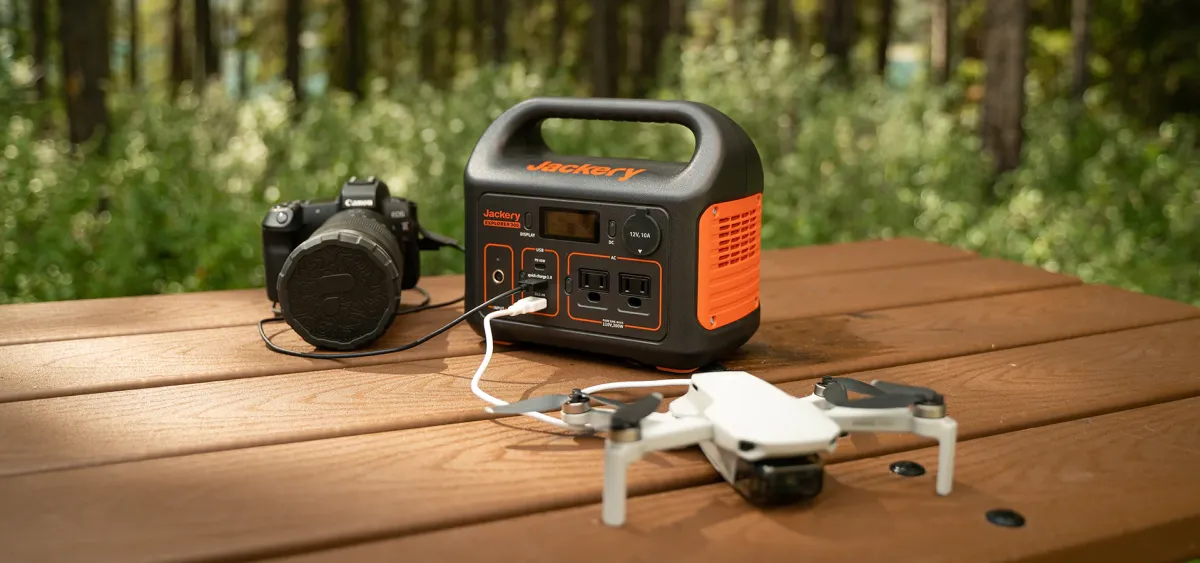
Four-Model Specification Matrix: Legacy NMC vs. Modern LFP
Before clicking “Add to Cart” on a discounted bundle, match the exact capacity and port layout against all four Jackery SKUs below:
| Specification | Explorer 240 v1 (Legacy) | Explorer 240 v2 (Current LFP) | Explorer 300 (Legacy NMC) | Explorer 300 Plus (Current LFP) |
|---|---|---|---|---|
| Battery Capacity | 240Wh | 256Wh | 293Wh | 288Wh |
| Chemistry & Cycle Life | Lithium NMC (~500 cyc to 80%) |
LiFePO4 (3,000 cyc to 80%+) |
Lithium NMC (~500 cyc to 80%) |
LiFePO4 (3,000 cyc to 80%+) |
| Continuous / Surge AC | 200W / 400W | 300W / 600W | 300W / 500W | 300W / 600W |
| 120V AC Outlets | 1 | 1 | 2 | 1 |
| USB-C Ports | None (0) | Up to 100W PD (in/out) + secondary USB-C | 1 × 60W PD (in/out) | 1 × 100W PD (in/out) + 1 × 15W |
| USB-A & 12V Car Port | 2 × 12W USB-A + 12V/10A car | USB-A (15W class) + 12V/10A car | 1 × QC 3.0 + 1 × 12W USB-A + 12V/10A | 1 × 15W USB-A + 12V/10A car |
| Solar Input Limit | ~65W (DC7909 barrel) |
100W (via USB-C, 12–27V range) |
100W (DC8020, 12–30V) |
100W (via USB-C, 12–27V) |
| Wall AC Recharge Time | ~5.5 hrs (external brick) | ~2 hrs std / ~1 hr app fast mode | ~4–5 hrs (external brick) | ~2 hrs (internal AC cord) |
| App Control & EPS/UPS | None / None | Wi-Fi + BT App / ~20 ms EPS |
None / None | Wi-Fi + BT App / ~20 ms EPS |
| Weight & Warranty | ~6.8 lbs (2-yr legacy) |
7.94 lbs (3+2 = 5 yrs) |
~7.1 lbs (2–3 yr legacy) |
8.27 lbs (3+2 = 5 yrs) |
(And let’s dispel one persistent internet myth right away: none of Jackery’s power stations charge wirelessly over Wi-Fi from solar panels. Wi-Fi/Bluetooth on the 240 v2 and 300 Plus strictly connects to Jackery’s smartphone app for monitoring state of charge, toggling 1-hour fast AC charging on the 240 v2, and setting auto-shutoff timers. Solar panels always connect via physical DC cable.)
Why LFP Chemistry (v2 & Plus) Changes Ownership Economics
On paper, a 293Wh classic Explorer 300 stores 5Wh more energy than a 288Wh Explorer 300 Plus and weighs ~1.17 lbs less (7.1 lbs vs. 8.27 lbs). Yet buying legacy NMC in 2026 only makes sense at deep clearance markdowns:
- Cycle Longevity (
500vs.3,000+Cycles): As detailed in our LiFePO4 vs. NMC Batteries Guide, an NMC pack cycled every weekend or used routinely for mobile desk work loses 20% capacity in roughly 2 to 3 years (~500cycles). Both the 240 v2 and 300 Plus use LiFePO4 cells rated for 3,000+ cycles to 80%+ (and up to 4,000 cycles to 70% on 240 v2 documentation)—translating to roughly 8–10+ years of regular service backed by Jackery’s 5-year registered warranty (3+2). - Thermal Margin: LiFePO4 chemistry offers substantially higher thermal runaway resistance inside hot summer car trunks and tent vestibules (though both chemistries still block charging below freezing
32°F / 0°Cto prevent cell damage).
Usable Watt-Hours, 200W vs. 300W Headroom & Outlet Trade-Offs
Applying realistic conversion bands (78%–88% AC out of the 120V receptacle vs. 88%–93% DC via USB-C and the 12V car socket) shows how small the usable energy gap actually is between 240Wh and 293Wh:
- Explorer 240 v1 (
240Wh): Delivers~187–211WhAC or~211–223WhDC—and its 200W continuous inverter trips easily on higher-wattage gaming laptop bricks, compact heating blankets, or small motorized fans with startup spikes. - Explorer 240 v2 (
256Wh): Delivers~200–225WhAC or~225–238WhDC, while raising continuous AC to 300W (600Wsurge)—matching the 300 series inverter ceiling. - Explorer 300 (
293Wh) & 300 Plus (288Wh): Deliver~225–258WhAC or~253–272WhDC—roughly 12%–20% more runtime than the 240 family (around 1 extra smartphone charge or ~45–60 extra minutes of40Wlaptop/router runtime).
Watch the AC Outlet Count & USB-C Shift:
- If you routinely plug two low-watt AC adapters simultaneously (say a camera charger + LED string light transformer under
300Wcombined), the older Explorer 300 actually includes two 120V AC outlets built in, whereas the 240 v1, 240 v2, and 300 Plus each offer one AC outlet. - Conversely, modern tech relies on USB-C Power Delivery rather than bulky AC wall bricks. The Explorer 240 v1 has zero USB-C ports, forcing you to lose
12%–22%energy running the AC inverter just to charge a MacBook. The classic Explorer 300 stops at60WUSB-C, whereas both the 240 v2 and 300 Plus deliver full100WUSB-C PD directly at88%–93%DC efficiency.
Recharging Speed, Solar Limits & Camp Usability (~6.8–8.3 lbs)
Every unit in this comparison weighs between 6.8 lbs and 8.27 lbs, meaning all four carry cleanly in one hand from a hatchback to a picnic table. Yet turnaround speed between trips splits the old and new generations wide apart:
- Grid AC Wall Recharge: Legacy
240 v1(~5.5 hrs) and300(~4–5 hrs) carry external brick chargers that tie up counter space overnight. The 300 Plus integrates its AC cord directly (~2 hrsfull at<=45 dB), and the 240 v2 goes even faster—supporting an app-activated 1-hour Emergency Super Charging mode (~2 hrsstandard quiet mode). - 100W Solar Input Ceiling: All three
300W-inverter models (240 v2,300,300 Plus) cap solar charging at 100W (~4 to 5sunny hours outdoors under realistic58%–72%panel yield—never plug a>27V–30VVoc panel into these low-voltage DC inputs). Legacy240 v1lags around~65W(~5.5–7+sun hours). - EPS Pass-Through Backup (
~20 ms): Only the 240 v2 and 300 Plus offer automatic~20 msEPS backup switching for Wi-Fi routers and lamps during storm flickers (though sensitive desktop PCs often need<10 msunits like the Anker SOLIX C300).
Direct Alternatives & When to Step Up to ~700Wh
| Buying Scenario | Best Pick | Why It Fits |
|---|---|---|
Tightest Budget Modern LFP (~$199–$239 street) |
Jackery Explorer 240 v2 | Gets 3,000+ cycle LFP, 300W AC, 100W USB-C, 1-hr app fast charge, and 7.94 lb weight for ~$30–$50 less than 300 Plus. |
Max Jackery Compact Runtime (~$249–$299 street) |
Jackery Explorer 300 Plus | Adds 32Wh (~12.5% extra energy) and dual USB-C ports (100W + 15W) at 8.27 lbs. |
Best Sub-300Wh Alternative for Desk/UPS (~$229 street) |
Anker SOLIX C300 (Model A1722) | Same 288Wh LFP capacity at 9.1 lbs, upgrading to 3 AC outlets, dual 140W USB-C, 68-min wall charge, and <10 ms UPS. |
Overnight CPAP or Weekend 12V Fridge (~$429–$549 street) |
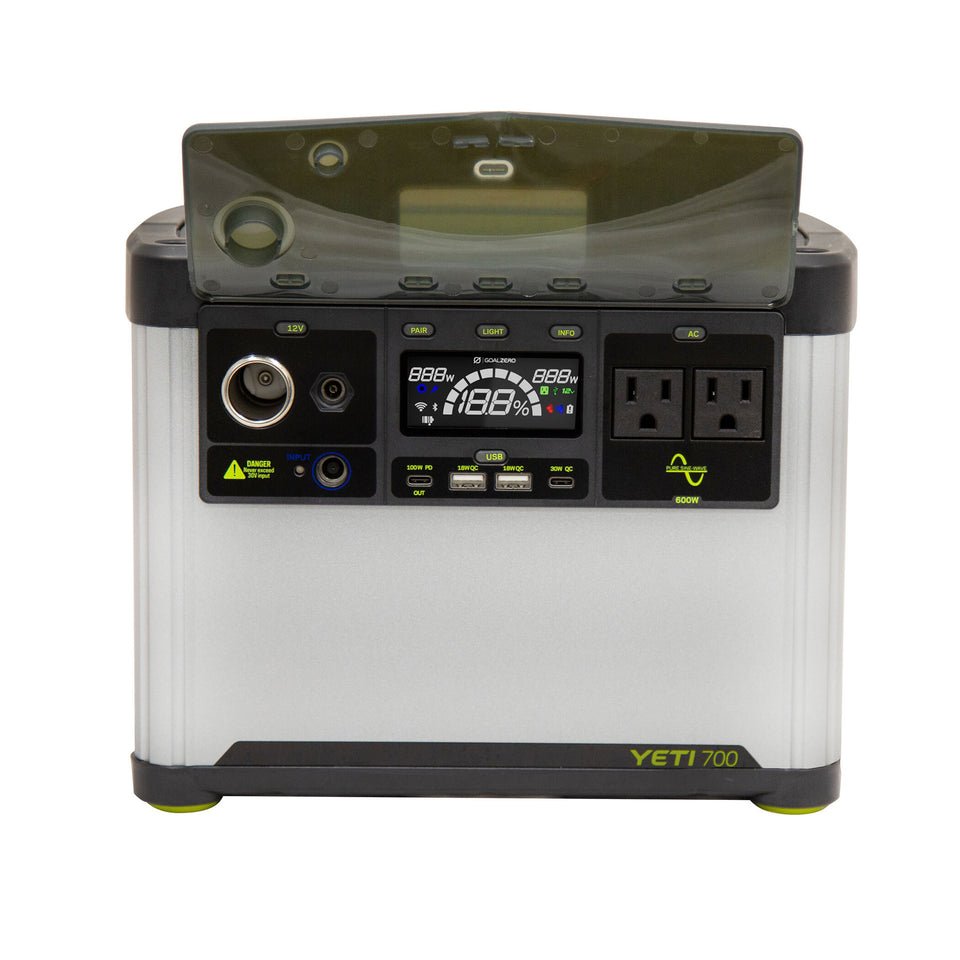
BLUETTI AC70 (768Wh) or Goal Zero Yeti 700 (677Wh) |
240Wh–293Wh runs out before dawn on heated CPAPs and lasts under 1 day on fridges; stepping up triples usable energy and adds 200W–500W solar. |
| Clearance Legacy 240 v1 or NMC 300 | Skip unless <$120–$140 |
500-cycle NMC cells, slow wall bricks, and missing/slower USB-C make legacy units poor value near $200+. |
Verify exact watt-hour requirements for your camp or outage kit in our Watt-Hours vs. Watts Guide or test model specs side by side in Compare Power Stations.
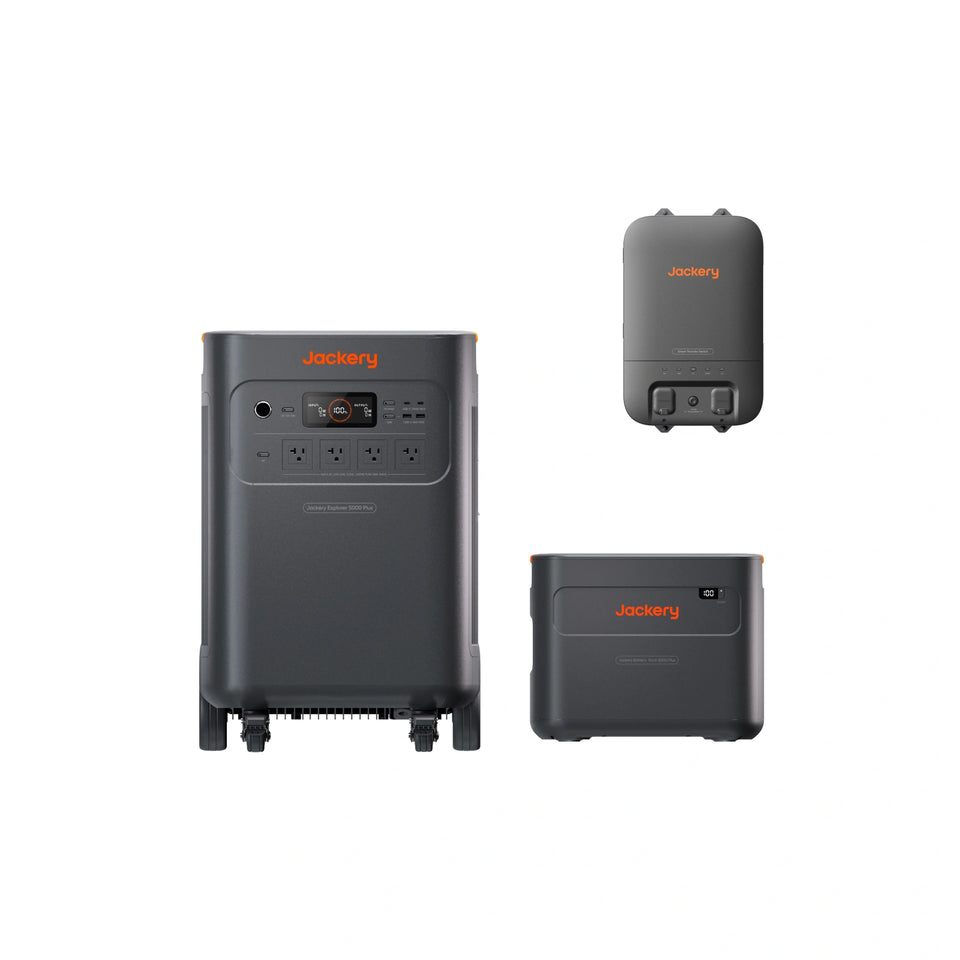
Models Discussed in This Article
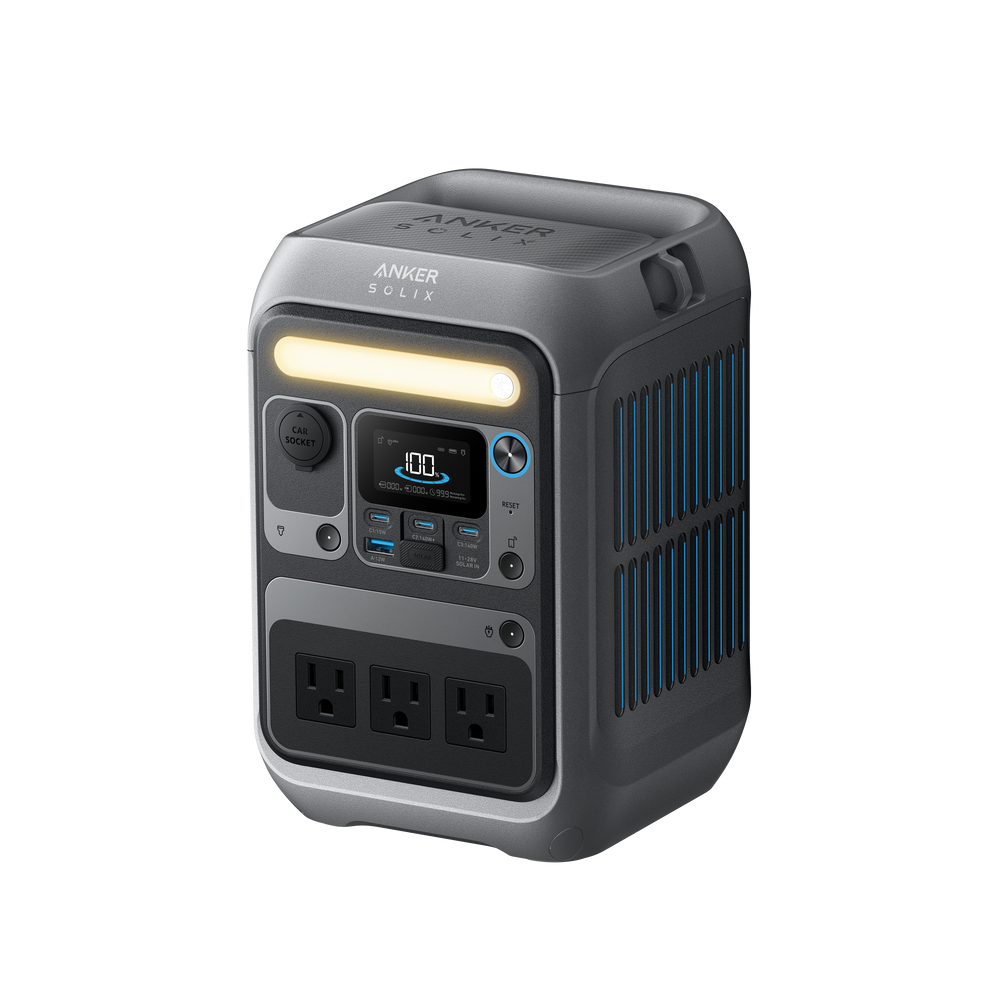
Anker SOLIX C300
A 9.1 lb vertical LiFePO4 station delivering 300W AC, dual 140W USB-C ports, and <10 ms UPS backup for routers, laptops, and day trips — just don't confuse it with the DC-only C300 DC or expect appliance runtime.

BLUETTI AC70
With 705–730.6 Wh of independently measured usable AC output from a 768Wh battery and 500W solar input at ~$399–$449 street price, the AC70 punches above typical 500Wh–700Wh units.
Goal Zero Yeti 700
Prioritizes IPX4 splash resistance, 4,000-cycle LFP longevity, and US-based warranty support over raw inverter wattage or solar charging speed.
Frequently Asked Questions
What is the biggest difference between Jackery Explorer 240 v1, 240 v2, Explorer 300, and 300 Plus?+
Battery chemistry and charging speed split these four models into two eras. Legacy Explorer 240 v1 (240Wh, 200W) and classic Explorer 300 (293Wh, 300W) use 500-cycle NMC cells with slow wall bricks. Current Explorer 240 v2 (256Wh, 300W) and Explorer 300 Plus (288Wh, 300W) upgrade to 3,000+ cycle LiFePO4 batteries, 100W USB-C PD, and 1–2 hour internal AC charging.
Why does the older Explorer 300 have 2 AC outlets while the 240 v2 and 300 Plus only have 1 AC outlet?+
Jackery's older NMC Explorer 300 built two standard 120V AC sockets into its faceplate, whereas the newer LiFePO4 Explorer 240 v2 and Explorer 300 Plus allocate front-panel space to high-speed 100W bidirectional USB-C ports and streamlined thermal layouts—leaving one 300W AC outlet (you can split low-wattage plugs with a small non-surge power strip under 300W total).
Does the Jackery Explorer 300 charge from solar panels wirelessly over Wi-Fi?+
No—solar panels always require a physical DC power cable. Early blog posts confused Wi-Fi/Bluetooth app telemetry (monitoring battery percentage, input watts, and silent charging on newer v2/Plus models) with wireless charging. Only the 240 v2 and 300 Plus support Jackery app connectivity, and panels still connect via cable.
Should I buy an Explorer 240 v2 or Explorer 300 Plus—or look at Anker SOLIX C300?+
Between Jackery's LFP pair, the 240 v2 (7.94 lbs, 256Wh) wins on budget and app-enabled 1-hour Emergency Super Charging, while the 300 Plus (8.27 lbs, 288Wh) gives ~12.5% more storage. If you also want three 120V AC outlets, dual 140W USB-C ports, and <10 ms desktop UPS protection, compare the 288Wh Anker SOLIX C300 (Model A1722).
Sources & Technical References
- View Source →[1]Manufacturer SpecificationJackery US OfficialVerified 2026-11-25Jackery Explorer 300 Plus Portable Power Station Specifications
288Wh LiFePO4, 300W continuous AC (600W surge), 100W bidirectional USB-C PD, 100W solar max, 8.27 lbs weight.
- View Source →[2]Manufacturer SpecificationAnker SOLIX US OfficialVerified 2026-11-24Anker SOLIX C300 Portable Power Station (Model A1722) Specifications
288Wh LFP AC-equipped model (distinct from DC-only C300 DC), 300W AC, 600W SurgePad, 100W XT60 solar, <10ms UPS.
- View Source →[3]Manufacturer SpecificationBLUETTI US OfficialVerified 2026-11-24BLUETTI AC70 Portable Power Station Official Specifications
768Wh LFP, 1,000W continuous AC, 2,000W Power Lifting resistive mode, 500W MPPT solar (12-58V, 10A), 950W Turbo AC charge.