Jackery Explorer 300 vs. 500: Electrical Capacity, Inverter Headroom & LFP Value
Electrical comparison of Jackery Explorer 300/300 Plus vs. 518Wh Explorer 500: usable AC/DC runtime math, missing USB-C PD, and 700Wh LFP upgrade economics.
Comparing the Jackery Explorer 300 (293Wh NMC) and 300 Plus (288Wh LiFePO4, 300W AC, 100W USB-C) against the legacy Explorer 500 (518Wh NMC, 500W AC, zero USB-C) reveals a clear generational gap. Expect ~225–258Wh AC (~253–272Wh DC) from 300-class packs versus ~404–456Wh AC (~456–482Wh DC) from the 500. Because the Explorer 500 suffers 500-cycle NMC aging and slow 7.5-hour charging, modern ~700Wh LFP units like BLUETTI AC70 or Goal Zero Yeti 700 offer vastly superior cost per Wh.
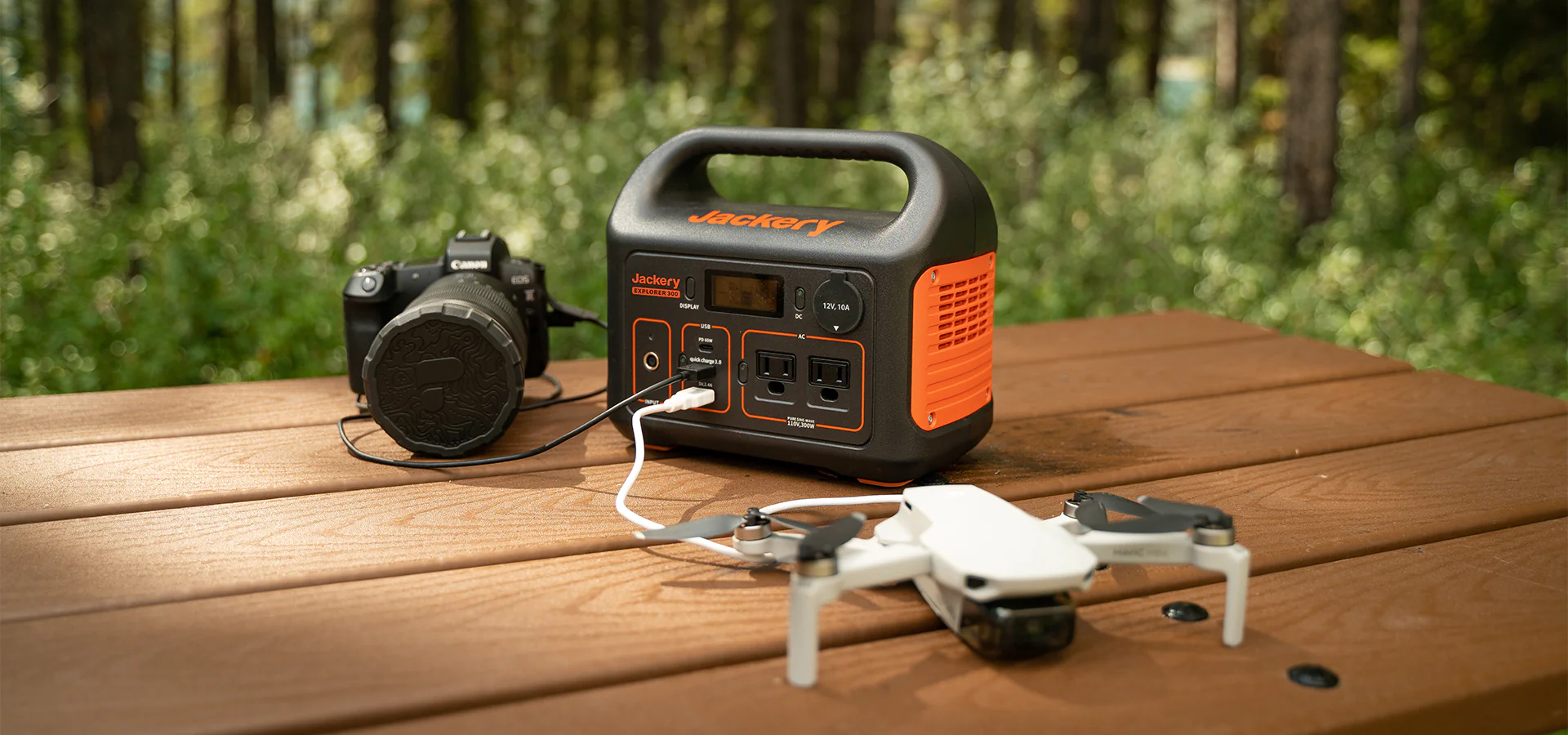
On paper, comparing the Jackery Explorer 300 line against the Jackery Explorer 500 looks straightforward: 518Wh and 500W of output sounds cleanly bigger than 288Wh–293Wh and 300W. Yet examine the underlying power electronics in 2026, and you uncover an electrical irony.
Because Jackery updated the 300 tier into the LiFePO4 Explorer 300 Plus (288Wh), the smaller-numbered station now carries 6× the battery cycle lifespan, 100W bidirectional USB-C PD, and nearly 4× faster wall charging, while the legacy Explorer 500 (518Wh) remains anchored to 500-cycle NMC cells, zero USB-C ports, and a 7.5-hour external brick. Even worse, modern ~700Wh LiFePO4 rivals now undercut or match the Explorer 500’s historical price band.
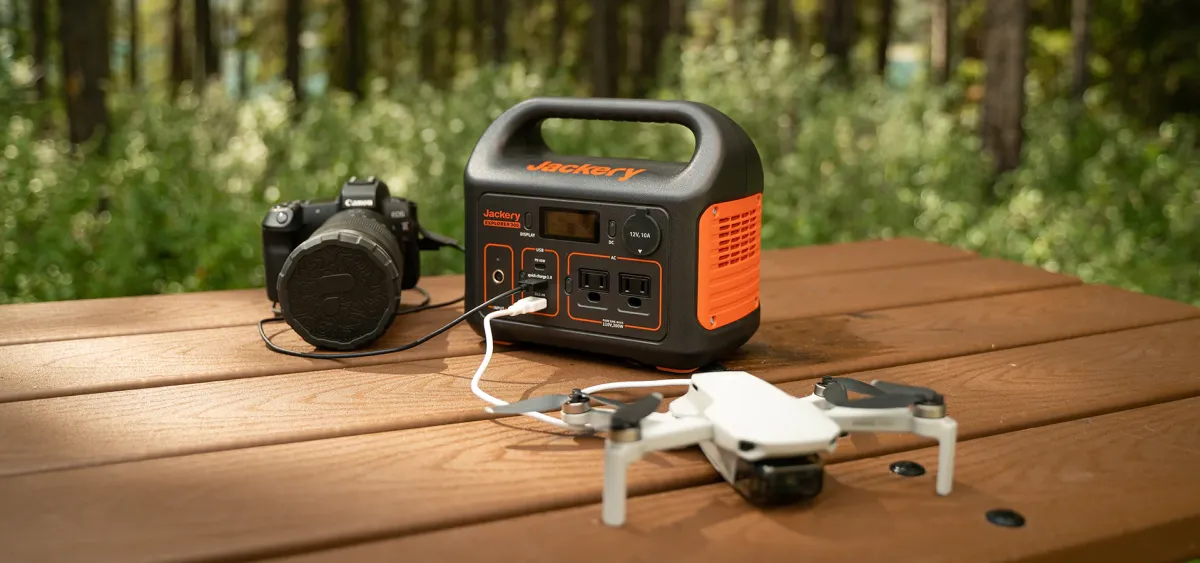
Electrical & Hardware Spec Comparison (Including ~700Wh LFP Rivals)
First, clear out common spec errors seen in legacy posts: the North American Explorer 500 has one 120V AC outlet (not three) and zero USB-C ports (not dual 100W). Here is how the verified specs line up against two modern ~700Wh LiFePO4 benchmarks:
| Specification | Jackery Explorer 300 (NMC) / 300 Plus (LFP) | Jackery Explorer 500 (Legacy NMC) | Goal Zero Yeti 700 (Current LFP) | BLUETTI AC70 (Current LFP) |
|---|---|---|---|---|
| Rated Capacity | 293Wh (NMC) / 288Wh (LFP) | 518Wh | 677Wh | 768Wh |
Usable AC (78%–88%) |
~225 – 258 Wh | ~404 – 456 Wh | ~528 – 596 Wh | 705 – 730.6 Wh (3rd-party verified) |
Usable DC (88%–93%) |
~253 – 272 Wh | ~456 – 482 Wh | ~596 – 630 Wh | ~676 – 714 Wh (est.) |
| Cell Chemistry & Cycles | NMC 500 / LFP 3,000 cyc |
NMC ~500 cycles to 80% |
LFP 4,000 cycles to 80% |
LFP 3,000+ cycles to 80% |
| Continuous / Surge AC | 300W / 500W (NMC) or 600W (Plus) | 500W / 1,000W | 600W / 1,000W | 1,000W (2,000W resistive boost) |
| 120V AC Outlets | 2 (NMC) / 1 (Plus) | 1 × 120V | 2 × 120V | 2 × 120V |
| USB-C PD Ports | 60W (NMC) / 100W + 15W (Plus) | None (0) (3 × 12W USB-A only) | 100W + secondary USB-C | 2 × 100W PD |
| Max Solar Input (Voc) | 100W (12–30V / 12–27V) |
~90–100W (12–30V DC7909) |
200W (15–50V) |
500W (12–58V) |
| Wall AC Charge Time | ~4–5h (NMC) / ~2h (Plus) | ~7.5 hours | ~1.5 hours (500W) |
~1.5 hours (950W Turbo) |
| Weight & Warranty | 7.1 lbs / 8.27 lbs (5 yr Plus) |
13.3 lbs (2–3 yr) |
20.3 lbs (5 yr, IPX4) |
22.5 lbs (5 yr) |
(Note BLUETTI’s rare third-party verification: PowerOffGrid measured 705 Wh out of the 768Wh AC70 under a 250W AC load, while APH Networks measured 730.59 Wh at 136W—confirming real-world inverter performance.)
Usable Watt-Hour & Runtime Math: 288Wh vs. 518Wh
Using our standard 78%–88% AC conversion band and 88%–93% DC band shows exactly what that ~225Wh nominal capacity gap buys in real devices:
| Real-World Load | Output Path | Explorer 300 / 300 Plus (288–293Wh) |
Explorer 500 (518Wh) |
Electrical Bottleneck Check |
|---|---|---|---|---|
| CPAP (No Heated Humidifier, ~45W) | 12V DC / 120V AC |
~5.6–6.0 hrs (DC) / ~4.2–5.0 hrs (AC) | ~10.1–10.7 hrs (DC) / ~7.5–9.0 hrs (AC) | 300 series cannot span a full 8-hr night at 45W; 500 handles 1 unheated night comfortably. |
| CPAP (Heated Humidifier On, ~80W) | 120V AC |
~2.8–3.2 hrs | ~5.1–5.7 hrs | Neither covers 8 hrs heated—step up to 768Wh+ or turn off heat. |
| 12V Compressor Cooler (~40W active, ~35% duty) | 12V Car Port |
~17–19 hrs | ~30–34 hrs | Skipping AC conversion stretches cooler endurance nearly 1.8× on the 500. |
| Wi-Fi Router + Fiber ONT (~25W) | 12V DC / 120V AC |
~10–11 hrs (DC) / ~6.5–8 hrs (AC) | ~18–19 hrs (DC) / ~12–15 hrs (AC) | AC inverter idle loss (~10–15W) noticeably drains 288Wh–518Wh on light 25W loads. |
| Drone Batteries (~65Wh pack w/ losses) | USB-C PD / AC | ~3–4 recharges | ~6–7 recharges | Plus charges USB-C drone hubs directly at DC efficiency; 500 forces AC brick conversion. |
| 1,000W Microwave / Space Heater / Kettle | 120V AC |
Cannot run (300W cap) |
Cannot run (500W cap) |
Requires 1,800W+ inverter class (check Best 1000Wh Stations). |
Inverter Headroom (300W vs. 500W): What Extra 200W Actually Unlocks
Stepping from a 300W inverter to 500W continuous (1,000W surge) does not unlock kitchen heating appliances, hair dryers, coffee makers, or full-size refrigerators with heavy compressor startups. Read our Continuous vs. Surge Output Guide if you aren’t sure why nameplate running watts don’t guarantee compressor starts.
Instead, that extra 200W continuous ceiling strictly helps mid-draw electronics between 300W and 450W:
- High-draw gaming laptops (
230W–330WAC bricks) paired simultaneously with a portable monitor. - Compact slow-cookers (
~250W–350W), small cordless tool battery banks (200W–350Wchargers), or larger350W–450Wportable projectors/PA monitors. - Warning on Simultaneous Plugs: Because the Explorer 500 has only 1 AC outlet, splitting loads requires a small un-surged tap adapter—staying strictly under
500Wcombined.
The Explorer 500’s Double Penalty: Missing USB-C PD + NMC Aging
Two hardware compromises explain why the Explorer 500 struggles against current competition:
- Zero Native USB-C Power Delivery: Every time you plug a modern
65W–100WUSB-C laptop into the Explorer 500’s120VAC outlet instead of a native PD port, energy goes from battery DC -> 120V AC inverter -> laptop AC brick DC. You forfeit 12%–22% of your518Whbattery to double conversion (~404–456Whusable AC), wiping out much of the paper advantage over a288WhExplorer 300 Plus delivering253–268Whnatively over100WUSB-C PD (88%–93%DC). - NMC Cycle & Lifetime Cost Math: Paying
~$449–$499for518Whrated at500NMC cycles equals roughly$0.87–$0.96per upfront watt-hour across a much shorter 500-cycle lifespan (~259 kWhtotal lifetime throughput before reaching 80% capacity). Compare that against~$429for a768WhLiFePO4 station rated for3,000+cycles (~2,304 kWhlifetime throughput)—nearly 9× more lifetime watt-hours per dollar!
When Skipping Straight to ~700Wh LiFePO4 Delivers Far Better Value
Before spending $400–$500 on an older NMC 518Wh pack, look at what two current ~700Wh LiFePO4 stations deliver in the same price neighborhood:
- BLUETTI AC70 (
768WhLFP,~$429street): Costs less than the Explorer 500’s$499MSRP while giving 48% more rated capacity (705–730.6Whthird-party verified AC), double the inverter power (1,000Wcontinuous), dual100WUSB-C ports,500WMPPT solar (12–58V) instead of~100W, and950WTurbo AC wall recharge (~1.5 hours vs. 7.5 hours)—for an extra9.2 lbs(22.5 lbstotal). - Goal Zero Yeti 700 (
677WhLFP,~$549street): Built for rough outdoor exposure with an IPX4 weather-resistant enclosure,4,000-cycleLFP pack,600W(1,000Wsurge) AC inverter,100WUSB-C PD,200Wsolar (15–50V),500Wfast AC charging (~1.5 hrs), and a 5-year US warranty at20.3 lbs.
Electrical Matchup Summary
- Choose Explorer 300 Plus (
~$249–$299) over the Explorer 500 whenever your loads stay under300W, your devices charge via USB-C PD, and you value3,000-cycleLiFePO4 durability plus~2-hourwall charging in an8.27 lbframe (or cross-shop Anker SOLIX C300 for<10 msUPS). - Avoid paying near MSRP (
~$449–$499) for the legacy Explorer 500. Only pick it up on deep clearance (<$275) if you strictly need a400WAC device or 1-night unheated DC CPAP bridge and rarely cycle the unit. - Step up directly to BLUETTI AC70 or Goal Zero Yeti 700 for modern
677Wh–768WhLFP capacity,1.5-hourAC charging,100WUSB-C PD, and dramatically lower cost per usable watt-hour.
Test exact appliance wattages in our Wattage Calculator, compare street pricing per Wh in the Price-per-Wh Calculator, or view all budget winners in Best Power Stations Under $500.
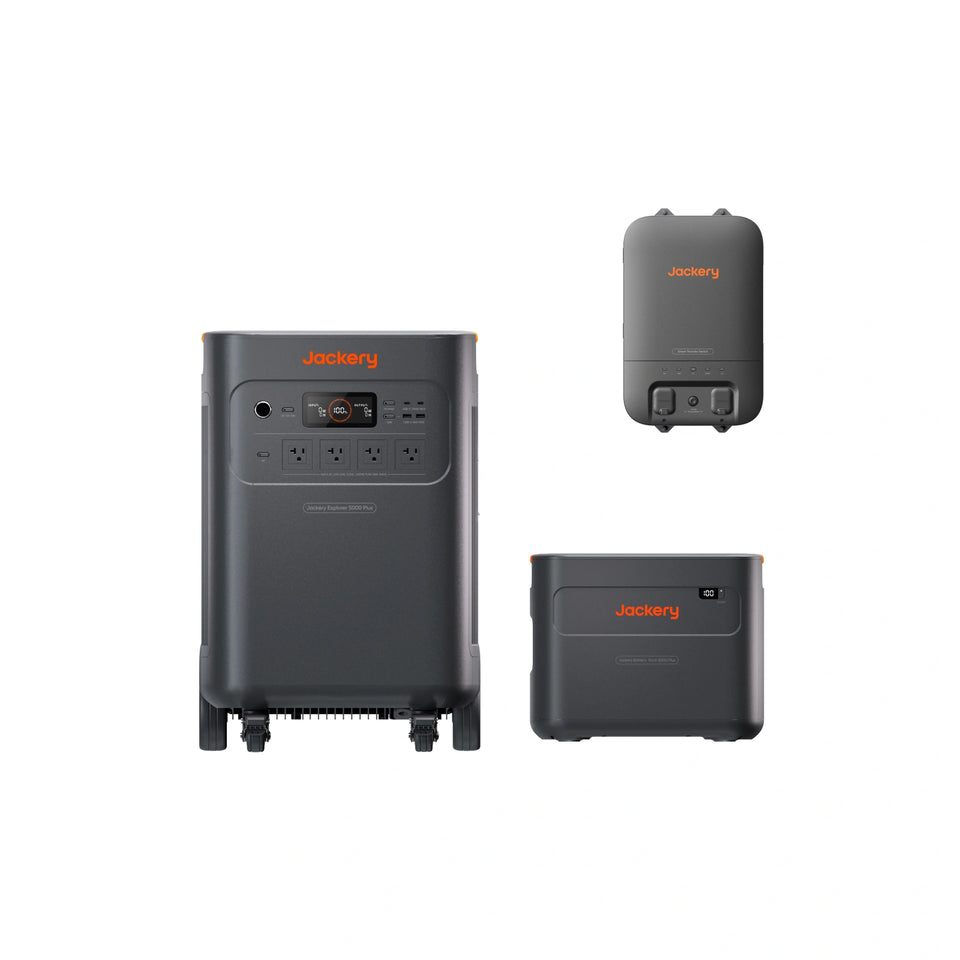
Models Discussed in This Article

BLUETTI AC70
With 705–730.6 Wh of independently measured usable AC output from a 768Wh battery and 500W solar input at ~$399–$449 street price, the AC70 punches above typical 500Wh–700Wh units.
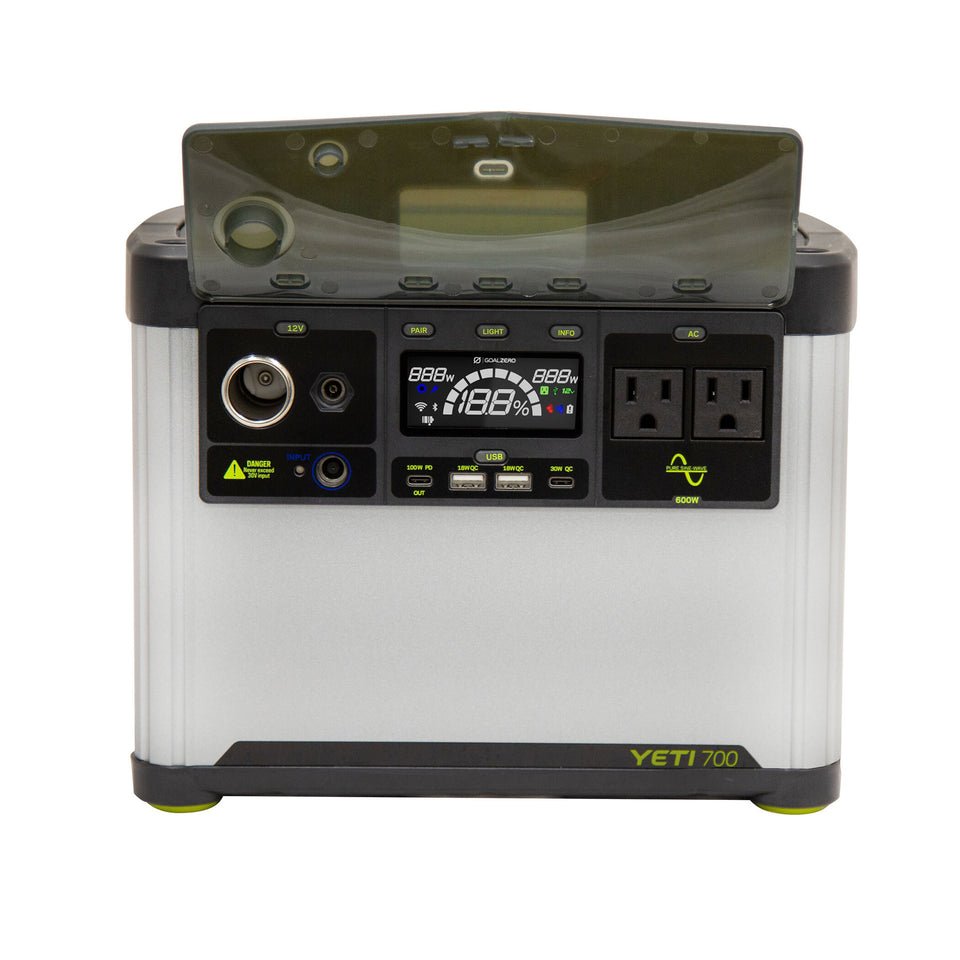
Goal Zero Yeti 700
Prioritizes IPX4 splash resistance, 4,000-cycle LFP longevity, and US-based warranty support over raw inverter wattage or solar charging speed.
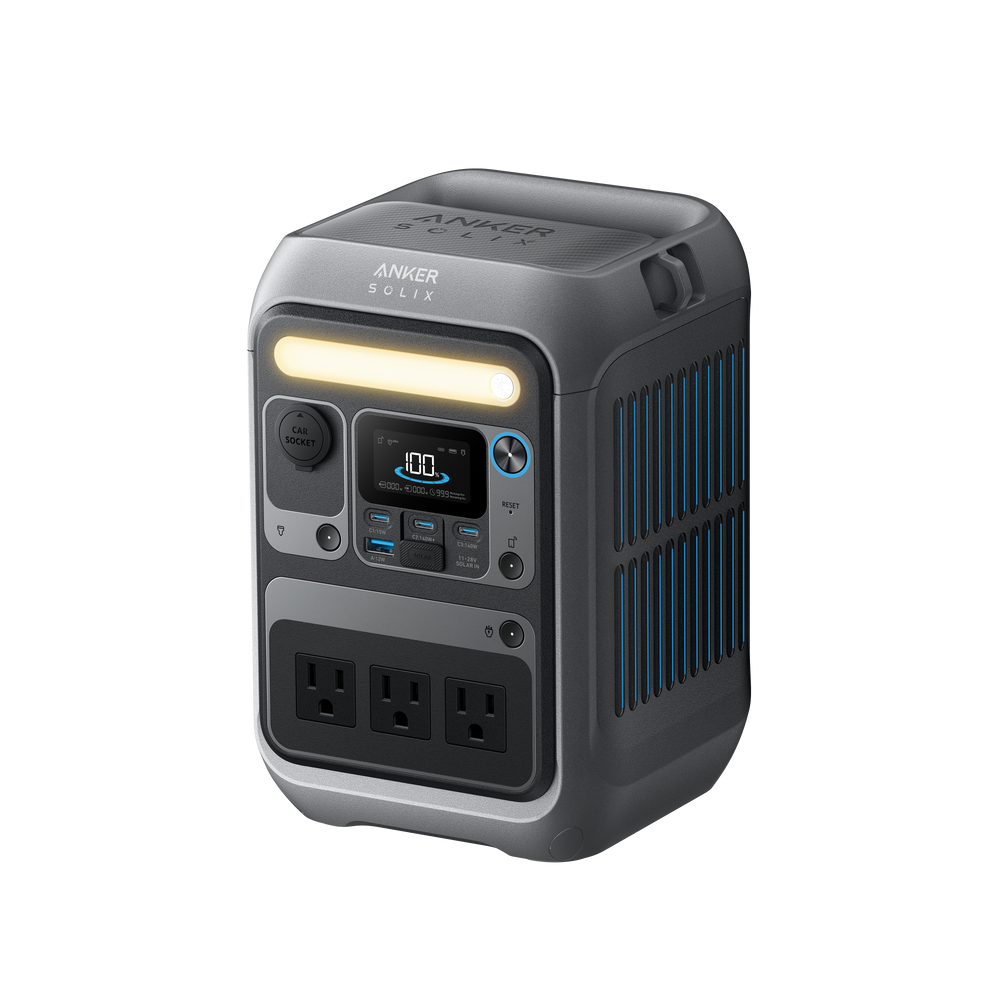
Anker SOLIX C300
A 9.1 lb vertical LiFePO4 station delivering 300W AC, dual 140W USB-C ports, and <10 ms UPS backup for routers, laptops, and day trips — just don't confuse it with the DC-only C300 DC or expect appliance runtime.
Frequently Asked Questions
Can the Jackery Explorer 500 run a 1,000W microwave or portable air conditioner?+
No. Despite outdated blog posts claiming otherwise, a 1,000W cooking-class microwave pulls ~1,400W–1,550W of electrical wall input, and portable air conditioners draw ~1,000W–1,200W+ with higher compressor surge. Both immediately trip the Explorer 500's 500W continuous / 1,000W surge AC ceiling. Microwaves require at least an 1,800W–2,200W continuous inverter.
Does the Jackery Explorer 500 have USB-C ports for charging modern laptops?+
No. The legacy 518Wh Jackery Explorer 500 includes three 5V/2.4A USB-A ports, one 120V AC outlet, two DC5521 barrel ports, and one 12V car socket—with zero USB-C ports. Charging a modern USB-C laptop requires running the 120V AC inverter with a wall brick (sacrificing 12%–22% to conversion losses) or using a 12V car-socket PD adapter.
Why does the smaller Explorer 300 Plus outlast the larger Explorer 500 in battery lifespan?+
The Explorer 300 Plus uses modern LiFePO4 (LFP) cells rated for 3,000 cycles to 80%+ capacity, whereas the older Explorer 500 relies on legacy NMC lithium-ion cells rated for roughly 500 cycles to 80%. Under frequent weekly cycling, the 300 Plus lasts roughly 6× as many full charge cycles before notable capacity fade.
Should I buy a discounted Jackery Explorer 500 or step up to the BLUETTI AC70 or Goal Zero Yeti 700?+
Unless you find a heavily cleared Explorer 500 well below ~$280–$300, stepping up to the 768Wh BLUETTI AC70 (~$429 street) or 677Wh Goal Zero Yeti 700 (~$549 street) delivers LiFePO4 longevity (3,000–4,000 cycles), dual 100W USB-C ports, 1.5-hour AC charging, and far lower cost per lifetime watt-hour.
Sources & Technical References
- View Source →[1]Manufacturer SpecificationJackery US OfficialVerified 2026-11-25Jackery Explorer 300 Plus Portable Power Station Specifications
288Wh LiFePO4, 300W continuous AC (600W surge), 100W bidirectional USB-C PD, 100W solar max, 8.27 lbs weight.
- View Source →[2]Manufacturer SpecificationBLUETTI US OfficialVerified 2026-11-24BLUETTI AC70 Portable Power Station Official Specifications
768Wh LFP, 1,000W continuous AC, 2,000W Power Lifting resistive mode, 500W MPPT solar (12-58V, 10A), 950W Turbo AC charge.
- View Source →[3]Third-Party Independent ReviewAPH NetworksVerified 2026-11-24BLUETTI AC70 Portable Power Station Load Test Review
Constant 136W AC load discharge test measured 730.59 Wh usable output (~95% of rated 768Wh cell capacity; ~92.5% net inverter efficiency).
- View Source →[4]Third-Party Independent ReviewPowerOffGridVerified 2026-11-24BLUETTI AC70 Usable AC Capacity & Inverter Efficiency Test
250W continuous resistive load AC discharge test recorded 705 Wh usable AC output (~90% overall system efficiency).
- View Source →[5]Manufacturer SpecificationGoal Zero OfficialVerified 2026-11-24Goal Zero Yeti 700 Portable Power Station Specifications
677Wh LFP, 600W AC, 1,000W surge, 200W solar max, IPX4 weather-resistant chassis, 5-year warranty.