Anker 757 PowerHouse (SOLIX F1200) 2026 Review: LFP Lifespan & Upgrade Options
2026 review of Anker 757 PowerHouse (F1200): 1,229Wh InfiniPower LFP unibody, 1,500W AC, 300W solar bottleneck, no smart app, and EcoFlow DELTA 3 Plus/AC200L.
The Anker 757 PowerHouse (later rebranded SOLIX F1200) pioneered mainstream 1kWh+ LiFePO4 longevity with 1,229Wh storage (3,000+ cycles), 1,500W continuous AC (2,400W surge), 1,000W HyperFlash wall charging, and a 5-year warranty inside a rugged 43.9 lb frame. Expect ~959–1,082Wh usable AC (78%–88%), though its 300W (11–30V) solar limit, zero app telemetry, and 43.9 lb weight trail modern EcoFlow DELTA 3 Plus and BLUETTI AC200L units.

Before LiFePO4 (LFP) batteries became universal across portable power stations, almost every 1,000Wh–1,500Wh station on US store shelves relied on 500–800 cycle NMC lithium cells and 1–2 year warranties. When the Anker 757 PowerHouse (Model A1770) debuted in 2022—subsequently rebadged as the Anker SOLIX F1200—it reset buyer expectations by pairing 3,000+ cycle LFP cells and a 5-year manufacturer warranty inside an automotive-grade aluminum structural unibody.
(Clearing up a frequent search typo: shoppers looking up "Anker 557 / 757" are almost always seeking the 1,229Wh Anker 757 / SOLIX F1200—Anker never sold a 557 power station, as 557 is a USB-C laptop dock and 555 was Anker’s smaller 1,024Wh PowerHouse.)
Four years on, how well does the pioneer 757/F1200 hardware hold up when matched against newer 2026 platforms like the EcoFlow DELTA 3 Plus, Pecron E1500LFP, and BLUETTI AC200L?
InfiniPower LFP Unibody Hardware & Verified Core Specs
Anker built the 757/F1200 around structural rigidity and fast AC wall recovery rather than app gimmicks or lightweight plastics:
- Battery Pack & Longevity:
1,229Wh(51.2Vnominal) LFP pack rated for3,000+cycles to80%+capacity under standard25°Ccycling, covered by a 5-year full-device warranty (32°F–104°Fcharge limit /-4°F–104°Fdischarge). Read why cell chemistry defines multi-year backup ROI in LiFePO4 vs. NMC Batteries Explained. - AC Inverter & Bypass:
6 × 120Vpure sine wave outlets delivering1,500Wcontinuous AC (2,400Wpeak surge) alongside<20msUPS switchover (1,440Wmax AC wall bypass). - DC & USB Ports:
1 × 100WUSB-C PD,1 × 60WUSB-C,4 × 12WUSB-A (5V/2.4A), and1 × 12V/10A(120W) car socket—plus an integrated warm amber front LED light bar and physical Power Saver auto-off toggle. - HyperFlash Wall Recharging: Up to
1,000WAC input directly via standard grounded wall cord (no external power brick), reaching80%in roughly1 hourand100%in~1.5 hours. - Chassis Reality: Measuring
18.2 × 11.3 × 9.3 inchesand weighing43.9 lbs, its dual-handle aluminum-reinforced frame takes drops and truck-bed bouncing cleanly—though contrary to some legacy blog posts, it has a button-controlled LCD screen (not a touchscreen) and no official IP65 weatherproofing rating.
Three 2026 Bottlenecks: 300W Solar, Zero App Control & 43.9 lb Weight
While the 757’s battery chemistry still rivals current-year hardware, three generational compromises show its age clearly:
- The
300W(11V–30V,10A) Solar Bottleneck: Anker limited the 757’s XT60 solar controller to300Wmax (11–30VVoc,10Aceiling). Even ignoring winter Voc safety margins that exclude24V/36Vrigid solar panels, a300Wceiling under realistic NREL outdoor derating (~70%–85%, or~210W–255Wreal power) takes 5 to 6.5+ hours of peak midday sun to recover1,229Wh. Modern peers recharge3×to4×faster. - No Bluetooth or Wi-Fi Telemetry: The 757/F1200 has zero wireless app connectivity. You cannot check battery state-of-charge remotely during an outage, schedule quiet overnight AC charging caps (
1,000WHyperFlash spins internal cooling fans audibly indoors), or trigger firmware updates. - High Weight per Watt-Hour & Non-Expandable Pack: Carrying
43.9 lbsfor1,229Wh(~28 Wh/lb) feels bulky in 2026—especially when the EcoFlow DELTA 3 Plus puts1,024Whinto27.6 lbs(~37 Wh/lb), and the Jackery Explorer 2000 v2 delivers2,042What39.5 lbs(~51.7 Wh/lb). Nor can the 757 accept external expansion batteries.
Realistic Runtime Expectations (Honest Efficiency Math)
Because independent third-party usable AC discharge lab numbers for the legacy 757 are Not Independently Verified in our source registry, apply standard conversion bands to 1,229Wh: 78%–88% usable AC (~959–1,082Wh) and 88%–93% usable DC/USB-C (~1,082–1,143Wh).
| Device / Outage Load | Typical Draw | Output Path | Estimated 757 / F1200 Runtime | Practical Notes |
|---|---|---|---|---|
| Wi-Fi Router + Cable Modem | 15W–20W |
12V DC adapter (AC OFF) |
54–76 hrs | Keep AC inverter OFF to avoid ~15W continuous idle drain. |
| CPAP (No Heated Humidifier) | 30W–40W |
12V DC converter |
27–38 hrs (~4–5 nights) |
Heated humidifier + AC inverter drops runtime to ~11–16 hrs. |
| Full-Size Kitchen Fridge | 120W–160W active (~65W cyclic avg) |
120V AC |
~10–15 hrs | Varies heavily with ambient heat, door openings, and compressor duty cycle. |
| Remote Work Desk (Laptop + Monitor) | 100W–140W |
USB-C + AC | 7–10.5 hrs | <20ms bypass UPS works for laptops/routers; sensitive desktops prefer <10ms. |
| 1,200W Coffee Maker / Space Heater | 1,200W continuous |
120V AC |
45–52 mins total | Handles 1,200W brew cycles effortlessly, though rapid discharge leaves little overnight reserve. |
Check What Is UPS & EPS Switching? if backing up desktop servers or NAS hardware.
2026 Upgrade Showdown: 757 / F1200 vs. DELTA 3 Plus, Pecron E1500LFP & BLUETTI AC200L
Shoppers comparing clearance Anker 757/F1200 units against newer 1kWh–2kWh stations immediately see how quickly solar MPPT, UPS speed, and weight evolved:
| Specification | Anker 757 / SOLIX F1200 (Legacy) | EcoFlow DELTA 3 Plus | Pecron E1500LFP | BLUETTI AC200L |
|---|---|---|---|---|
| Capacity & Expansion | 1,229Wh LFP (Fixed) |
1,024Wh LFP (Up to 5kWh) |
1,536Wh LFP (Up to 7.68kWh) |
2,048Wh LFP (Up to 8.19kWh) |
| Continuous / Surge AC | 1,500W / 2,400W |
1,800W / 3,600W |
2,200W / 4,400W |
2,400W / 3,600W Power Lifting |
Solar Input & Voc Range |
300W (11V–30V, 10A) |
1,000W (11–60V × 2, 15A) |
800W (32–95V 700W + 12–18V 100W) |
1,200W (12V–145V, 15A) |
| Wall AC Charge Time | 1,000W (~1.5 hrs) |
1,500W (~56 mins) |
1,400W (~1.5 hrs) |
2,400W (~1.5 hrs) |
| UPS Transfer Speed | <20ms bypass |
<10ms HID USB UPS |
<20ms EPS |
<=20ms UPS |
| App Telemetry | None | Wi-Fi + Bluetooth | Wi-Fi + Bluetooth | Wi-Fi + Bluetooth |
| Third-Party Fridge / Lab Data | Not Independently Verified | Not Independently Verified | Not Independently Verified | CNET: 77.76% RTE, >29h fridge |
| Weight & Warranty | 43.9 lbs • 5 yrs |
27.6 lbs • 5 yrs |
40.1 lbs • 2+3 yrs |
62.4 lbs • 5 yrs |
When a 757 / F1200 Still Makes Sense (and When to Upgrade)
- Worth Considering on Steep Clearance or Used Deals: If you find a well-maintained or clearance Anker 757 / SOLIX F1200 substantially cheaper than modern
$599–$699rivals—and only need AC wall-recharged backup for short storms, corded tools (<=1,500W), or car camping where app control and fast solar do not matter—its3,000-cycle LFP cells and aluminum build remain durable workhorses. (Check battery health and charging ports thoroughly if buying used.) - Upgrade to EcoFlow DELTA 3 Plus: Worth every extra dollar at
$599–$699street pricing if you carry the station frequently (27.6 lbsvs43.9 lbs), rely on rapid1,000Wdual-MPPT solar recovery, or protect desktop workstations/NAS servers via<10msHID UPS. - Step Up to Pecron E1500LFP or BLUETTI AC200L: Choose Pecron (
~$599) for maximum1,536Wh/2,200Wcapacity per dollar (12V/30ARV DC port included), or pick the2,048WhBLUETTI AC200L (~$999–$1,099) for CNET-verified>29-hourfridge runtime,TT-30RRV support, and12V–145Vsolar compatibility.
Compare current 1kWh picks in Best 1000Wh Portable Power Stations or evaluate total capacity sizing with How to Choose a Portable Power Station.
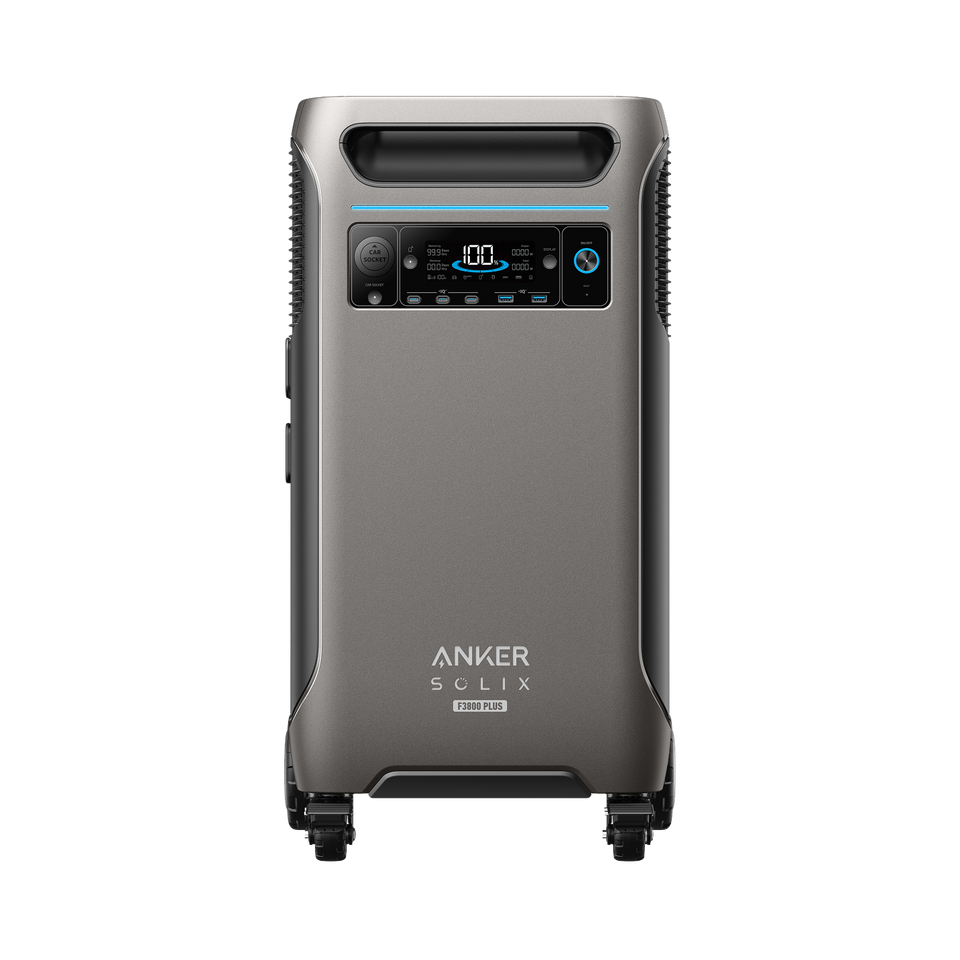
Models Discussed in This Article
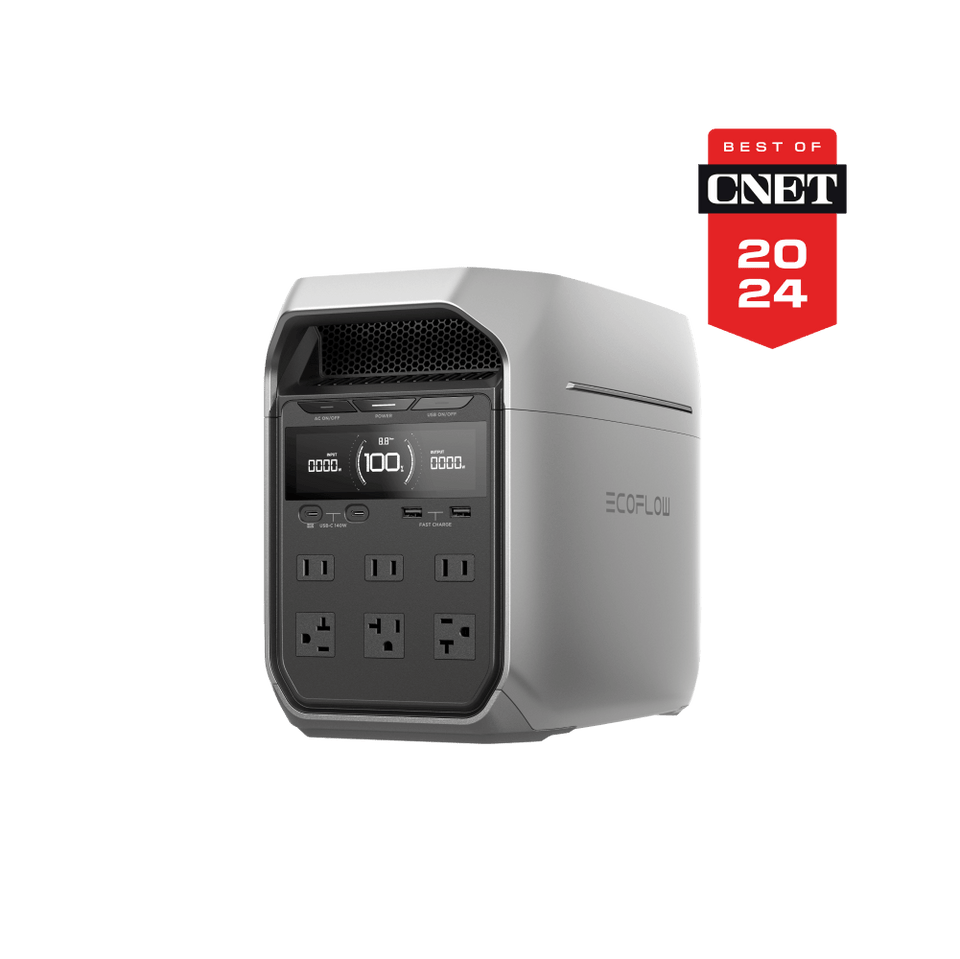
EcoFlow DELTA 3 Plus
Packs 1,000W dual-MPPT solar charging, sub-1-hour AC replenishment, and a sub-10 ms HID-capable UPS into a 27.6 lb chassis, making it more versatile than non-Plus 1kWh units.
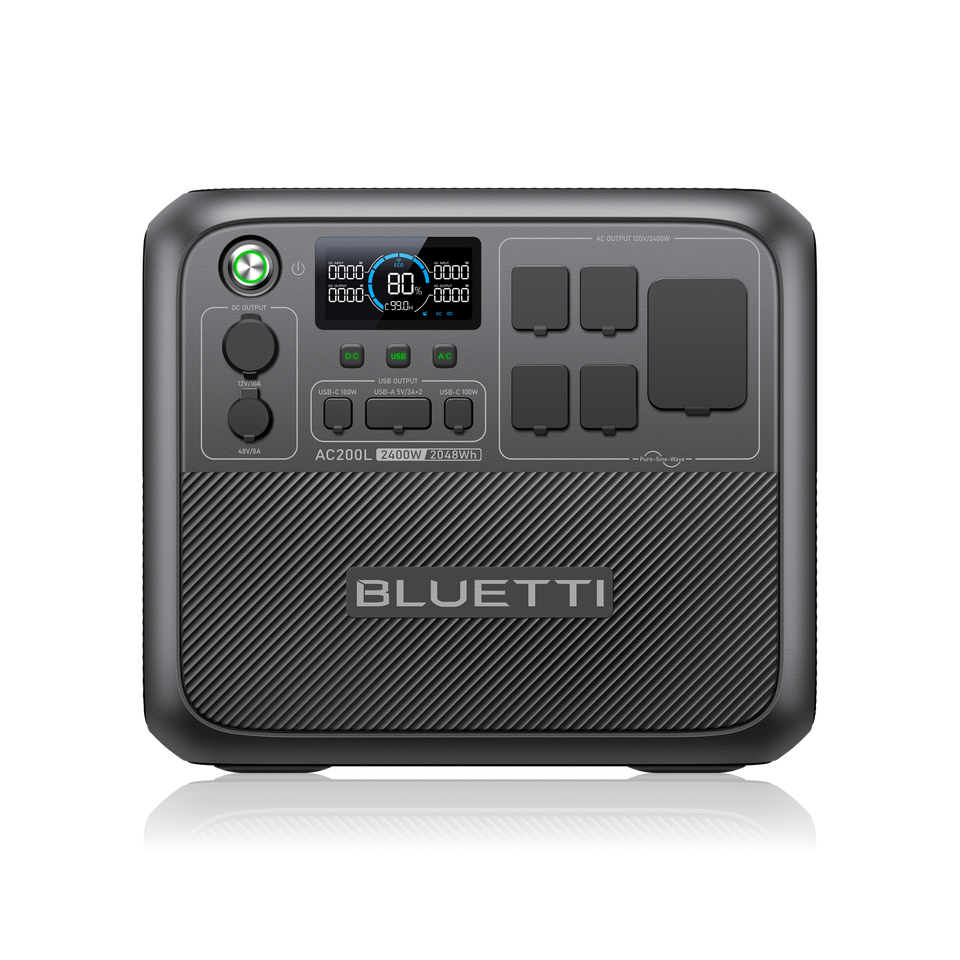
BLUETTI AC200L
Combines a high-efficiency 2,048Wh expandable platform, 1,200W high-voltage solar input (12–145V), and dedicated 30A TT-30R + 48V DC RV outputs at strong street pricing, trading away light weight and built-in wheels.
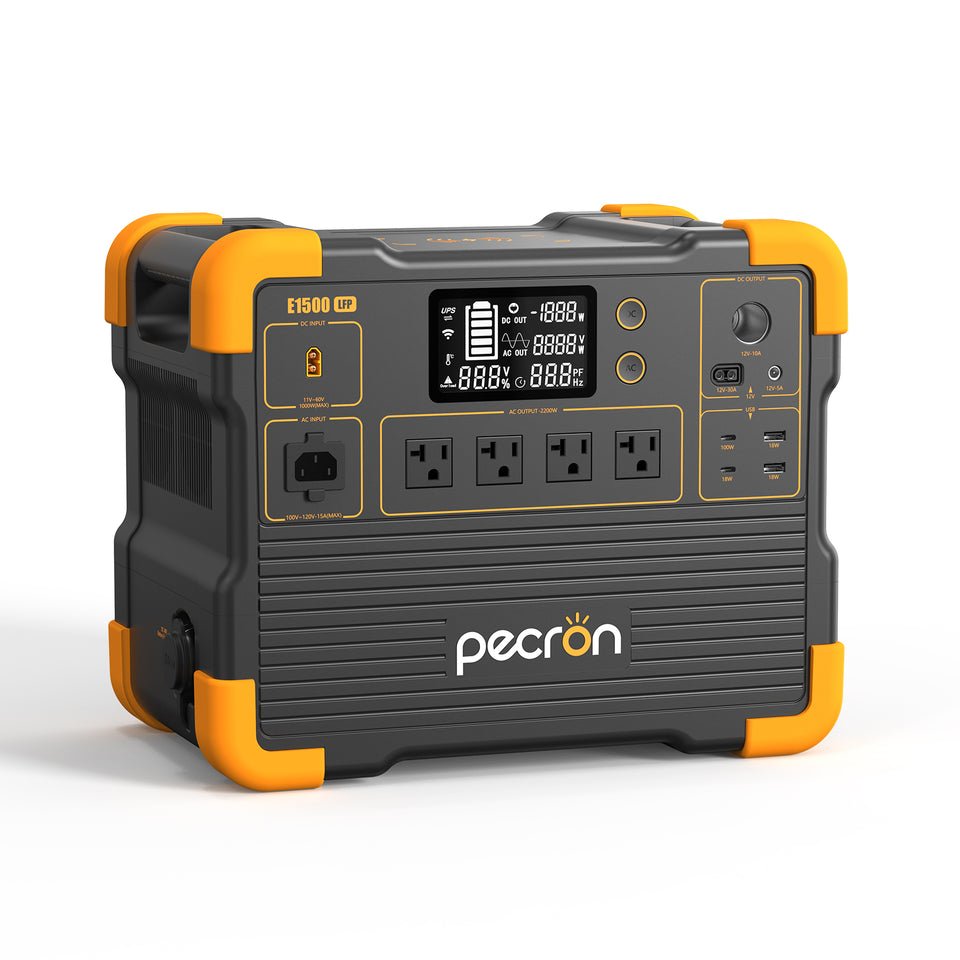
Pecron E1500LFP
Delivers 1,536Wh, a 2,200W continuous inverter, and a rare 12V/30A XT60 DC port around $599 street price, though its asymmetric 32–95V GX16MF solar input requires careful panel voltage matching.
Frequently Asked Questions
What is the difference between the Anker 757 PowerHouse, Anker 557, and Anker SOLIX F1200?+
The Anker 757 PowerHouse (Model A1770, 1,229Wh / 1,500W) was rebranded into the Anker SOLIX family as the SOLIX F1200—same hardware, newer label. There is no Anker 557 portable power station (Anker 557 is a laptop USB-C dock; the smaller 1,024Wh / 1,000W station from that era is the Anker 555 PowerHouse).
How fast can the Anker 757 / SOLIX F1200 recharge from solar panels?+
Solar input on the Anker 757 is capped at 300W max (11V–30V, 10A) via its XT60 port. Under realistic NREL outdoor derating (yielding ~210W–255W real charging wattage), refilling 1,229Wh from empty takes roughly 5 to 6.5 hours of strong midday peak sunlight—substantially slower than 1,000W–1,200W solar competitors.
Does the Anker 757 PowerHouse have Bluetooth, Wi-Fi app control, or IP65 waterproofing?+
No. Despite erroneous legacy claims online, the Model A1770 Anker 757 PowerHouse does not include Bluetooth/Wi-Fi smart app telemetry, does not feature a capacitive touchscreen (it uses an LCD readout with physical buttons), and does not carry an IP65 dust/water ingress rating.
Is an Anker 757 / F1200 worth buying over the EcoFlow DELTA 3 Plus or BLUETTI AC200L in 2026?+
Only on steep sub-$500 clearance or vetted used pricing for AC wall-charged outage backup. At normal retail tiers, the 27.6 lb EcoFlow DELTA 3 Plus offers 1,000W solar, <10ms HID UPS, expandable storage, and Wi-Fi telemetry, while the BLUETTI AC200L delivers 2,048Wh, 1,200W 12–145V solar, and CNET-verified >29h refrigerator runtime.
Sources & Technical References
- View Source →[1]Manufacturer SpecificationEcoFlow US OfficialVerified 2026-11-24EcoFlow DELTA 3 Plus Official Specifications
1,024Wh LFP, 1,800W continuous AC, 1,000W dual 500W MPPT solar, <10ms UPS, 1,500W X-Stream AC charging.
- View Source →[2]Manufacturer SpecificationBLUETTI US OfficialVerified 2026-11-24BLUETTI AC200L Portable Power Station Official Specifications
2,048Wh LFP, 2,400W continuous AC, 3,600W Power Lifting mode, NEMA TT-30R + 48V/8A DC RV port, 1,200W solar (12-145V).
- View Source →[3]Manufacturer SpecificationPecron US OfficialVerified 2026-11-24Pecron E1500LFP Official Specifications
1,536Wh LFP, 2,200W AC, 800W dual-port solar (GX16MF 32-95V 700W + DC5521 100W), EP3000-48V expansion support.
- View Source →[4]Third-Party Independent ReviewCNETVerified 2026-11-24CNET Portable Power Station Lab Efficiency & Refrigerator Runtime Benchmarks
Documents standardized refrigerator runtime and round-trip efficiency testing including BLUETTI AC200L (77.76% RTE, >29h fridge test) and Anker SOLIX F3800 (~25.68h fridge stress runtime due to dual-voltage inverter overhead).
- View Source →[5]Government Research ResourceNational Renewable Energy Laboratory (NREL)Verified 2026-11-24PVWatts & US Peak Sun Hours Reference Data
Documents regional peak sun hours and real-world photovoltaic derating factors (ambient heat, angle, shading, controller loss).