Jackery Explorer 300 Plus Review: 288Wh LiFePO4 Hardware, Ports & Real Limits
Technical review of Jackery Explorer 300 Plus (288Wh LFP, 300W AC, dual 100W USB-C, 8.27 lbs): real appliance limits vs. Anker SOLIX C300 and BLUETTI AC70.
The Jackery Explorer 300 Plus packs 288Wh of LiFePO4 storage (3,000 cycles to 80%+), a 300W continuous / 600W surge pure sine wave AC outlet, dual 100W-capable USB-C ports, and ~20 ms EPS switching into an 8.27 lb chassis. Expect ~225–253Wh usable AC (78%–88%) or ~253–268Wh DC (88%–93%)—ideal for laptops, routers, and camera gear, but incompatible with microwaves, hair dryers, and full-size fridges.
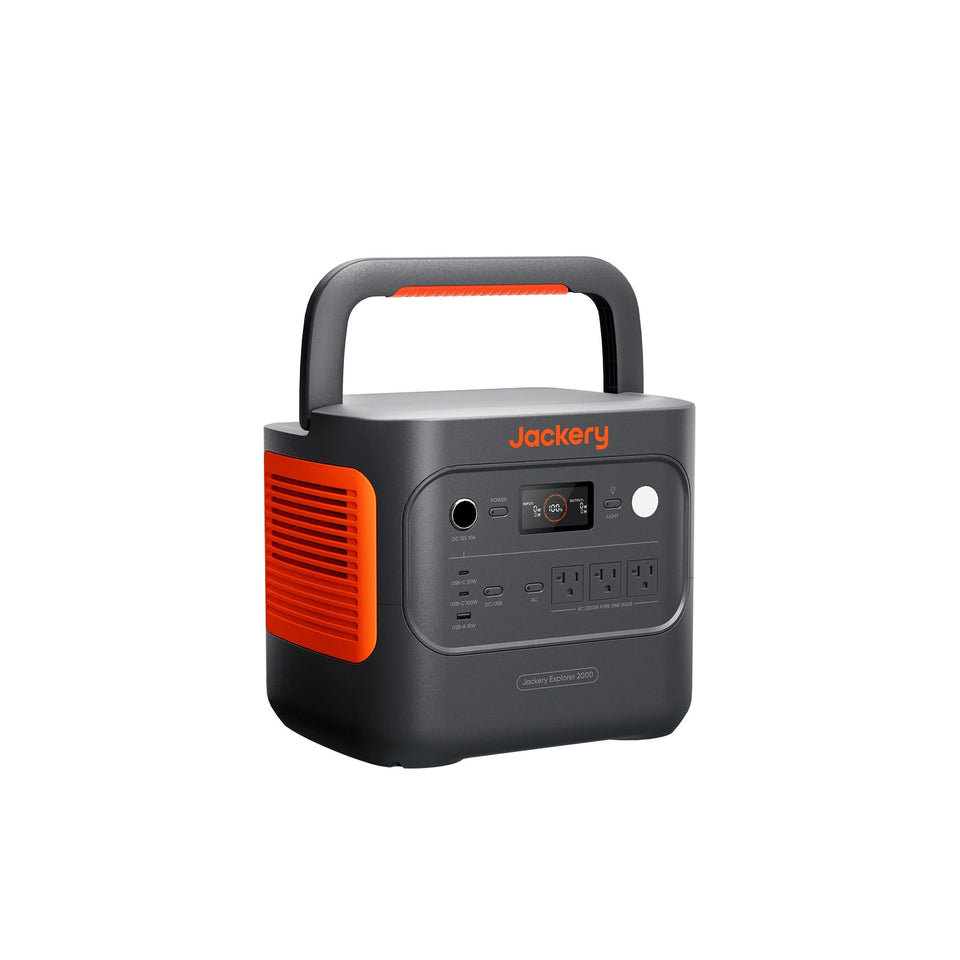
For years, buying a sub-300Wh Jackery meant settling for 500-cycle NMC cells, sluggish wall bricks, and zero smart app telemetry. The Jackery Explorer 300 Plus (288Wh / 300W) represents Jackery’s architectural reset at the compact end of its lineup—trading legacy chemistry for 3,000-cycle LiFePO4 (LFP) storage, 100W bidirectional USB-C Power Delivery, and an internal AC charger inside an 8.27 lb travel chassis.
Stripping away inflated marketing and legacy blog myths reveals exactly what this 288Wh architecture executes cleanly—and where a hard 300W inverter ceiling forces buyers toward bigger hardware.
Verified Hardware Architecture & Specifications
Every specification below matches North American 120V official Jackery documentation for the Explorer 300 Plus (Model JE-300B):
| Specification | Jackery Explorer 300 Plus (Verified US Spec) | Engineering Takeaway |
|---|---|---|
| Battery Capacity & Chemistry | 288Wh (22.5Ah / 12.8V) LiFePO4 (LFP) |
Rated for 3,000 cycles to 80%+ capacity (~6× legacy NMC lifespan). |
| Continuous / Surge AC | 300W Pure Sine Wave / 600W surge peak | Handles electronics and modest motors under 300W; zero high-heat cooking gear. |
| 120V AC Outlets | 1 × NEMA 5-15R (120V ~ 60Hz) |
One outlet less than the older NMC Explorer 300 (2 AC outlets). |
| USB-C / USB-A Outputs | 2 × USB-C (1 × 100W PD bidirectional + 1 × 15W) + 1 × USB-A (15W) |
Fast-charges modern laptops directly via DC without waking the AC inverter. |
| 12V DC Car Socket | 1 × 12V / 10A (120W max regulated) |
Ideal for 12V compressor coolers, tire inflators (<120W), and DC CPAP cords. |
| AC Wall Input | Built-in 100V–120V charger (~2 hours 0–100%) |
ChargeShield stepped algorithm keeps charging acoustic noise <=45 dB. |
| Solar / DC Input | 100W Max via USB-C port (12V–27V Voc, 5A max) |
Strict 27V ceiling rejects residential 24V/36V panels and series strings. |
| EPS / UPS Switching | ~20 ms Emergency Power Supply pass-through | Keeps routers/lights up smoothly; too slow to guarantee zero PC reboots. |
| Weight & Dimensions | 8.27 lbs (3.75 kg) / 9.1 × 6.1 × 6.6 in |
Fold-flat top handle tucks cleanly under vehicle seats or camp totes. |
| Operating Temps & Warranty | Charge 32°F–113°F / Discharge 14°F–113°F; 5-Year (3+2 registered) |
Halts charging below freezing (32°F); 5-year warranty matches tier leaders. |
Correcting Common Online Myths About the 300 Plus
Legacy product posts frequently confused specs across Jackery bundles and unrelated hardware. Three clarifications matter before you buy:
- No Waterproof Immersion Rating on the Power Station: The Explorer 300 Plus uses a sturdy PC+ABS flame-retardant shell—it is not IP67 or IP68 waterproof. Only the optional SolarSaga 40W Mini folding solar panel carries an IP68 waterproof rating. Keep the power station sheltered under a vestibule, tarp, or vehicle cabin in rain.
- USB-C Handles DC/Solar Input: Unlike older Jackery barrels (
DC7909/DC8020), the Explorer 300 Plus accepts12V–27V(5A,100Wmax) solar and12Vcar charging through its dedicated USB-C DC input via Jackery’s adapter lead. Do not exceed27V Voc. - App Telemetry Uses Wi-Fi + Bluetooth: Jackery’s mobile app lets you monitor input/output wattage, toggle silent charging modes, adjust screen/auto-off timers, and monitor battery percentage wirelessly—not “wirelessly charge solar panels.”
Generational Jump Over the Legacy NMC Explorer 300
If you see discounted original Explorer 300 (293Wh) stock sitting next to the Explorer 300 Plus (288Wh), the internal architecture explains why the Plus exists:
- 6× Battery Endurance: Legacy Explorer 300 uses NMC cells rated for
~500 cyclesto 80%, whereas the 300 Plus uses LiFePO4 rated for 3,000 cycles to 80%+—vital if you cycle the battery weekly for camper trips or daily laptop work. Check our LiFePO4 vs. NMC Guide for full aging math. - 100W USB-C & Faster Wall Turnaround: Upgrading USB-C from
60Wto100Wfeeds 14–16 inch workstation laptops natively, while the internal AC charger drops full wall recharge time from~4–5 hoursdown to ~2 hours. - One Trade-Off to Note: The older NMC Explorer 300 included two 120V AC outlets and weighed
~7.1 lbs. The LFP 300 Plus gains1.17 lbs(8.27 lbs) and drops to one AC outlet—making its dual USB-C ports and 12V car socket your main multi-device workhorses.
Realistic Usable Energy & Appliance Limits (300W Ceiling)
Applying standard conversion losses (78%–88% out of the 120V inverter vs. 88%–93% over DC/USB-C), the 288Wh Explorer 300 Plus delivers roughly 225–253Wh usable AC or 253–268Wh usable DC.
What runs comfortably:
- Remote Desk / Camera Kit: A modern USB-C laptop (
45W–65Waverage) plus smartphone and mirrorless camera batteries easily gains 3 to 4 full laptop recharges when plugged straight into the100WUSB-C PD port (AC inverter OFF). - Home Wi-Fi Router + Fiber ONT (
~25W): Lasts roughly 9.5 to 10.5 hours using a12VDC barrel lead (or 6 to 8 hours via the120VAC wall brick once inverter idle overhead is subtracted). - 12V Compressor Camp Cooler (
~35W–45Wactive,~35%duty cycle): Runs roughly 14 to 18 hours off the12V/10Acar socket in moderate ambient temperatures—roughly one day/evening of camp refrigeration. - Unheated Travel CPAP (
~30W–45WDC): Only borderline for a single 8-hour night (~360Whneeded at45Wcontinuous). Unless your specific machine runs<=30Won a manufacturer DC cable with humidifiers turned completely off, step up to677Wh–768Wh.
What the 300 Plus CANNOT run:
- Kitchen Cooking Gear & Hair Care: Microwaves (
1,200W–1,550W), drip coffee makers (900W–1,200W), electric kettles (1,200W–1,500W), and hair dryers (1,200W–1,800W) trip the300Woverload protection immediately. - Full-Size Kitchen Refrigerators: Compressor startup surges routinely exceed
600W–1,200W+, and 24-hour energy draw (1,200–1,800Wh/day) drains a288Whbattery in just a few hours. - E-Bike “Infinite Range While Riding”: Most commuter e-bike chargers draw
120W–250WAC—meaning an Explorer 300 Plus can give less than one partial recharge (~225–250Whusable AC vs. typical400Wh–720Whe-bike packs), and very few controllers safely permit simultaneous charging while pedaling.
Jackery Explorer 300 Plus vs. Anker SOLIX C300 & BLUETTI AC70
Shoppers comparing sub-$300 compact stations against true outage mid-compacts should weigh three direct rivals in our hardware database:
| Model | Capacity & Chemistry | Weight | Continuous / Surge AC | Outlets & USB-C | Solar Limit | UPS Speed & Acoustic Spec |
|---|---|---|---|---|---|---|
| Jackery Explorer 300 Plus | 288Wh LFP (3,000 cyc) |
8.27 lbs | 300W / 600W | 1 AC; 1×100W + 1×15W USB-C; 1×15W USB-A | 100W (12–27V) |
~20 ms EPS; <=45 dB quiet mode |
| Anker SOLIX C300 (Model A1722) | 288Wh LFP (3,000+ cyc) |
9.1 lbs | 300W / 600W SurgePad | 3 AC; 2×140W + 1×15W USB-C; 1×12W USB-A | 100W (11–28V XT60) |
<10 ms UPS; ~25 dB mfr rated; 68-min AC charge |
| BLUETTI AC70 | 768Wh LFP (3,000+ cyc) |
22.5 lbs | 1,000W (2,000W resistive) |
2 AC; 2×100W USB-C; 2×12W USB-A | 500W (12–58V) |
<=20 ms UPS; 705–730.6Wh verified AC (950W AC charge) |
Two buying takeaways jump off that table:
- Against the Anker SOLIX C300 (
Model A1722with AC outlets—not the AC-lessC300 DC), the Jackery 300 Plus is 0.83 lbs lighter with a classic horizontal handle and Jackery’s 5-year registered warranty, while Anker gives you three AC outlets instead of one, dual 140W USB-C ports,~68-minuteAC charging, and true<10 msUPS protection for desktop PCs and fiber routers (see our UPS vs. EPS Switching Guide). - Against the BLUETTI AC70 (
~$429street price), stepping up ~$150–$180delivers nearly 3× the independently verified usable AC capacity (705Whmeasured by PowerOffGrid at 250W;730.59Whmeasured by APH Networks at 136W), 1,000W inverter headroom, and 5× the solar input (500W)—solving overnight CPAP and multi-day blackout limits immediately.
Hardware Verdict: Who Should Buy the Explorer 300 Plus?
- Buy the Jackery Explorer 300 Plus if you want an 8.27 lb horizontal LFP travel station under
$250–$300for day camping, photography/drone kits, phone/laptop top-offs, or light12Vcamp cooler maintenance—and value Jackery’s quiet<=45 dBcharging and3+2five-year support. - Choose Anker SOLIX C300 (A1722) instead if you need sub-10 ms UPS protection, multiple AC sockets, or dual
140Wlaptop ports at roughly the same288Whprice. - Step up to BLUETTI AC70 or EcoFlow DELTA 3 Plus if overnight CPAP therapy, small refrigerators, or 500W–1,000W solar recovery belong on your checklist.
Compare compact models directly in our Best Power Stations Under $500 guide or run exact load hours in the Runtime Calculator.
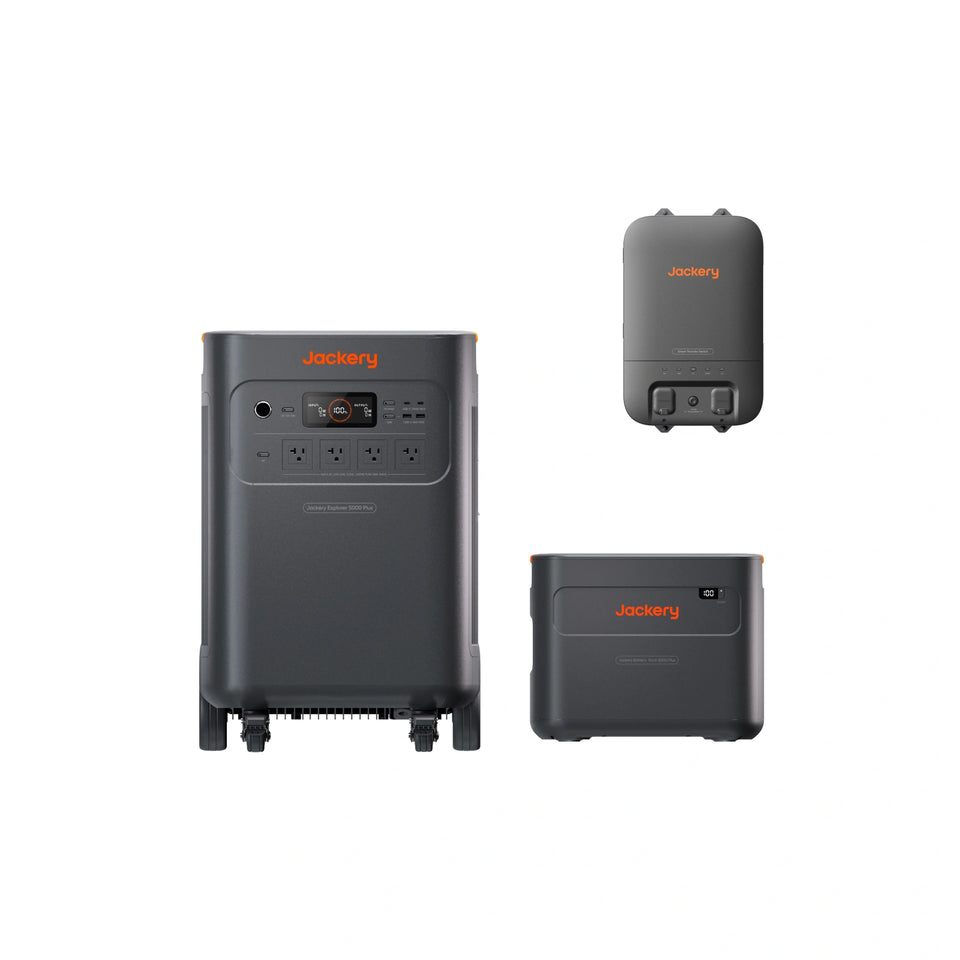
Models Discussed in This Article
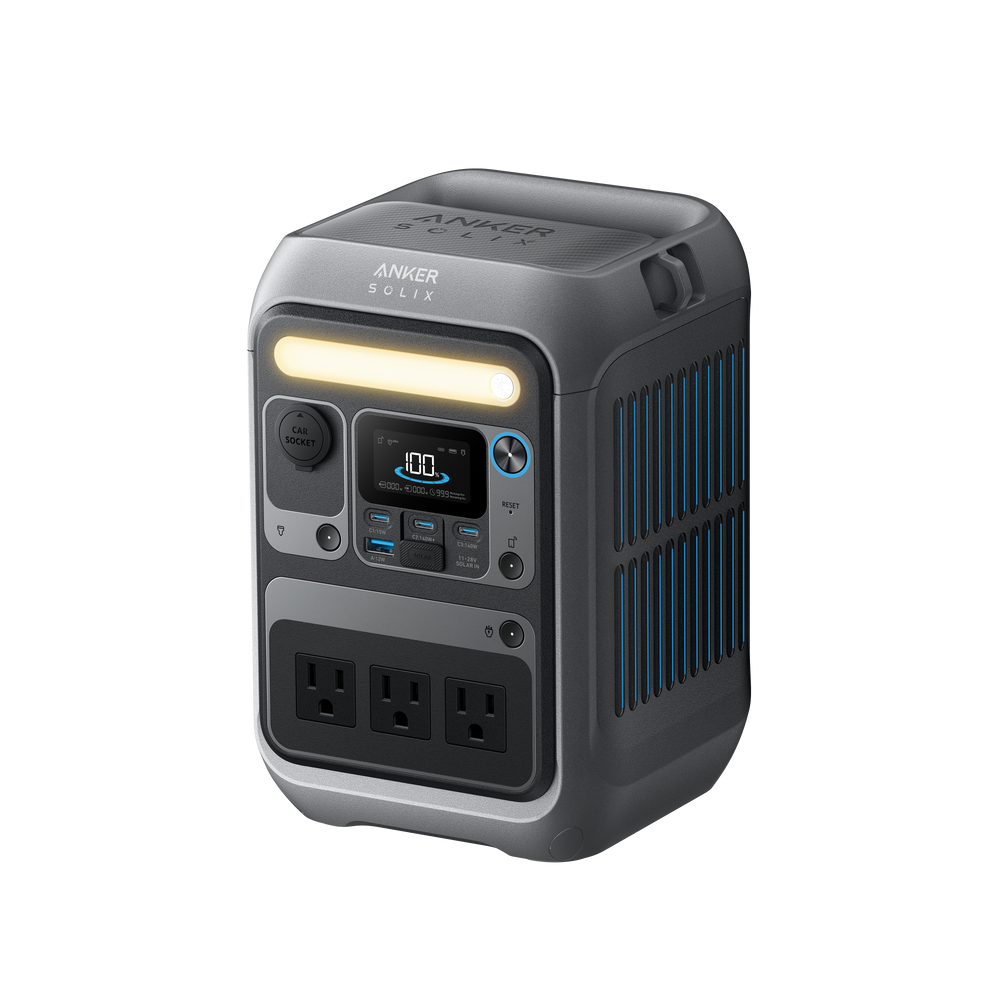
Anker SOLIX C300
A 9.1 lb vertical LiFePO4 station delivering 300W AC, dual 140W USB-C ports, and <10 ms UPS backup for routers, laptops, and day trips — just don't confuse it with the DC-only C300 DC or expect appliance runtime.

BLUETTI AC70
With 705–730.6 Wh of independently measured usable AC output from a 768Wh battery and 500W solar input at ~$399–$449 street price, the AC70 punches above typical 500Wh–700Wh units.
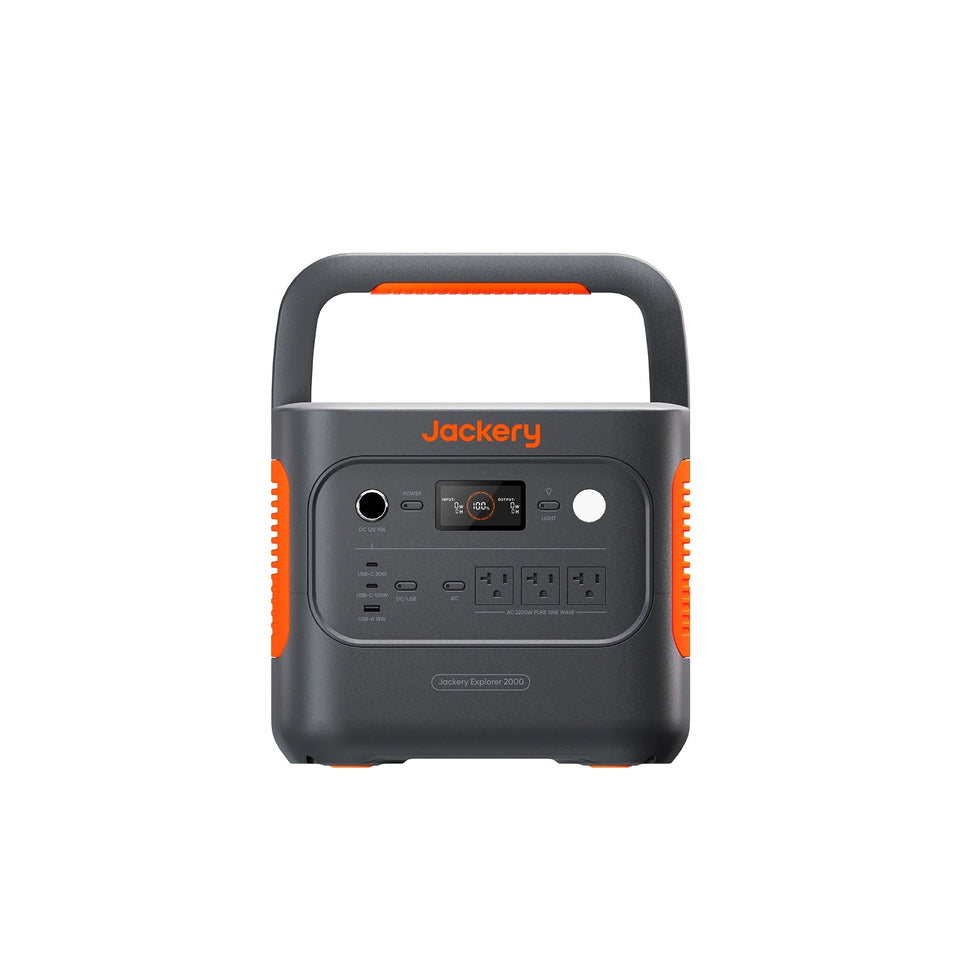
Jackery Explorer 2000 v2
A breakthrough 39.5 lb chassis makes 2,042Wh genuinely single-hand portable for camping and apartments, provided you accept its 400W solar recharge ceiling and non-expandable battery.
Frequently Asked Questions
Is the Jackery Explorer 300 Plus power station itself IP67 or IP68 waterproof?+
No—do not submerge or leave the power station out in rain. While the optional Jackery SolarSaga 40W Mini solar panel carries an IP68 waterproof rating, the Explorer 300 Plus power station uses a standard PC+ABS flame-retardant enclosure without a waterproof immersion rating.
Can the Jackery Explorer 300 Plus run a mini-fridge, electric kettle, or hair dryer?+
No for electric kettles and hair dryers, which draw 1,000W–1,800W and immediately overload the 300W continuous AC ceiling. Compact 12V compressor camp coolers (35W–45W running via the 12V car port) run cleanly for roughly 12–18 cycling hours, whereas AC mini-fridges with high startup surges or large inverter idle losses drain 288Wh quickly.
How does the Jackery Explorer 300 Plus compare to the older NMC Explorer 300?+
The 300 Plus switches from 500-cycle NMC cells to 3,000-cycle LiFePO4 chemistry, upgrades USB-C PD from 60W to 100W bidirectional, adds Wi-Fi/Bluetooth app control, and drops AC wall recharge to ~2 hours with <=45 dB quiet charging. One trade-off: the older NMC Explorer 300 had 2 AC outlets, whereas the 300 Plus has 1 AC outlet.
Which is better for home Wi-Fi UPS backup: Jackery 300 Plus or Anker SOLIX C300?+
Anker SOLIX C300 (AC Model A1722) holds a clear edge for router and workstation UPS duty thanks to its <10 ms switchover speed, three 120V AC outlets, and dual 140W USB-C ports, whereas Jackery 300 Plus rates EPS transfer around ~20 ms with a single AC outlet.
Sources & Technical References
- View Source →[1]Manufacturer SpecificationJackery US OfficialVerified 2026-11-25Jackery Explorer 300 Plus Portable Power Station Specifications
288Wh LiFePO4, 300W continuous AC (600W surge), 100W bidirectional USB-C PD, 100W solar max, 8.27 lbs weight.
- View Source →[2]Manufacturer SpecificationAnker SOLIX US OfficialVerified 2026-11-24Anker SOLIX C300 Portable Power Station (Model A1722) Specifications
288Wh LFP AC-equipped model (distinct from DC-only C300 DC), 300W AC, 600W SurgePad, 100W XT60 solar, <10ms UPS.
- View Source →[3]Manufacturer SpecificationBLUETTI US OfficialVerified 2026-11-24BLUETTI AC70 Portable Power Station Official Specifications
768Wh LFP, 1,000W continuous AC, 2,000W Power Lifting resistive mode, 500W MPPT solar (12-58V, 10A), 950W Turbo AC charge.
- View Source →[4]Third-Party Independent ReviewAPH NetworksVerified 2026-11-24BLUETTI AC70 Portable Power Station Load Test Review
Constant 136W AC load discharge test measured 730.59 Wh usable output (~95% of rated 768Wh cell capacity; ~92.5% net inverter efficiency).