UPS vs. Portable Power Station: Transfer Speed, Surge Protection & Runtime
Compare APC/CyberPower UPS units vs. LFP portable power stations across 0ms–30ms transfer physics, ATX hold-up time, AVR surge clamping, and hours-long runtime.
Traditional APC or CyberPower UPS units switch in 0ms–8ms and include dedicated UL 1449 surge clamping and AVR, but hold lead-acid packs lasting just 5–20 minutes. Portable power stations deliver hours of LiFePO4 runtime; legacy 20ms–30ms EPS models can reboot gaming PCs under ATX 3.1 (12ms hold-up) loads, whereas newer <10ms units (EcoFlow DELTA 3 Plus, Anker SOLIX C300) and 0ms online-mode units handle desktop switchover reliably.
When the utility grid trips during a thunderstorm, your desktop PC’s power supply unit (PSU) has roughly 12 to 17 milliseconds before its primary capacitors drain flat and your motherboard hard-crashes. Whether your backup battery catches that drop—or lets your machine reboot into an unscheduled disk check—comes down to a millisecond race between UPS transfer topology and PSU hold-up physics.
(Quick terminology note: some buyers abbreviate portable power stations as “PPS,” though in electrical specs PPS stands for USB-C Programmable Power Supply. Below, we compare dedicated computer UPS hardware directly against LiFePO4 portable power stations.)
Transfer-Time Physics: 0 ms vs. <10 ms vs. 15–30 ms EPS
Inside a modern desktop computer, Intel’s ATX 3.0 standard calls for at least 17 ms of full-load hold-up time, while ATX 3.1 narrows that full-load floor to 12 ms (keeping ~17 ms around 80% load). Partial office loads stretch hold-up time longer, yet gaming rigs, multi-GPU workstations, and RAID NAS servers operate right against that margin.
Different backup architectures cross that gap at very different speeds:
- Online Double-Conversion UPS (
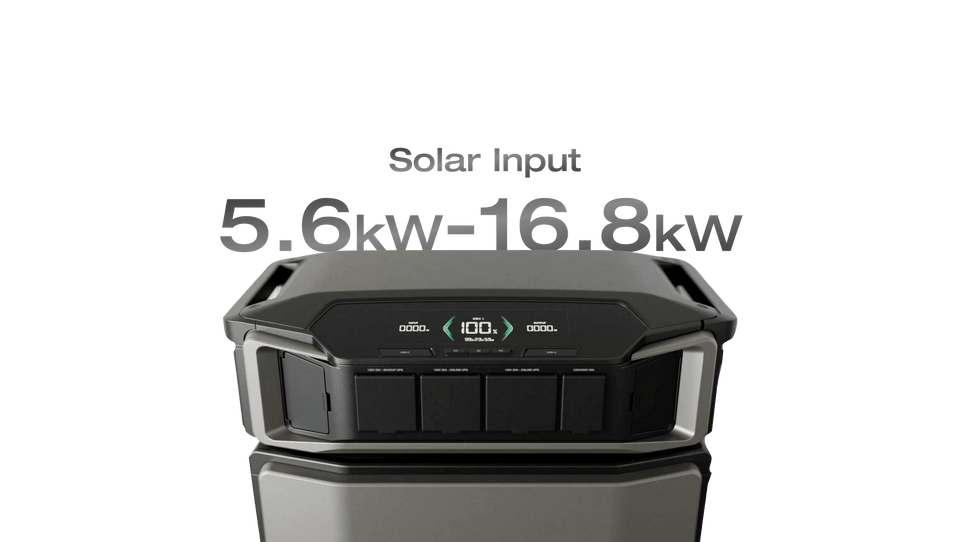
0 ms): Utility AC converts continuously to DC and back into clean AC via the inverter. There is zero mechanical relay lag because the inverter never turns off. High-end power stations like the EcoFlow DELTA Pro Ultra, Jackery Explorer 5000 Plus, and Zendure SuperBase V4600 mirror this behavior on their direct0 msOnline UPS modes—at the cost of slight continuous conversion heat and standby power burn. - Line-Interactive & Fast Standby UPS (
3 ms – <10 ms): Dedicated computer UPS units (such as APC Smart-UPS or CyberPower PFC Sinewave towers) switch in roughly 4–8 ms. Recent compact LiFePO4 power stations finally match this speed: both the EcoFlow DELTA 3 Plus (which adds USB HID telemetry so Windows, macOS, and Synology/TrueNAS boxes trigger graceful shutdowns) and the Anker SOLIX C300 specify<10 msUPS switching. - Standard & Legacy EPS Power Stations (
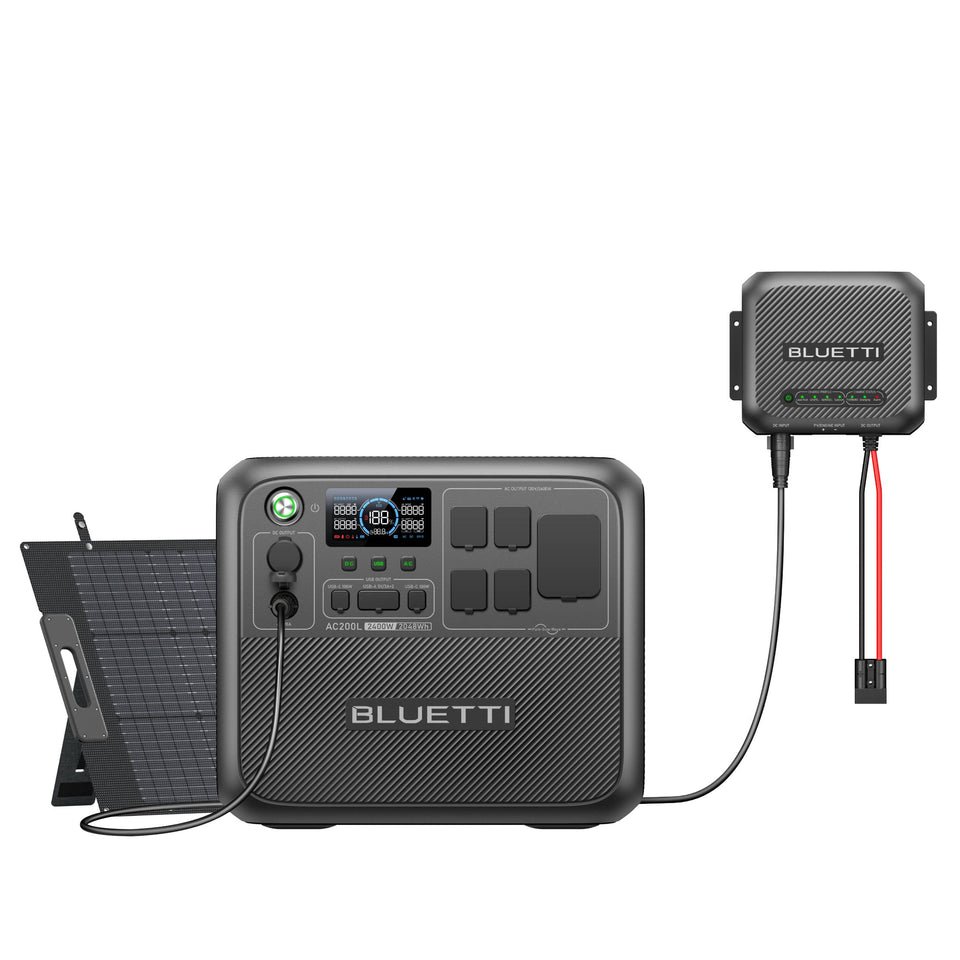
15 ms – 30 ms): Older and midsize power stations marketed as “EPS” (Emergency Power Supply)—such as earlier ~30 ms EcoFlow DELTA 2 generations or<=20 msunits like the BLUETTI AC200L, Anker SOLIX F3800, and Jackery Explorer 2000 v2—rely on slower mechanical transfer relays. Refrigerators, LED lamps, laptops with internal batteries, and DC-brick Wi-Fi routers shrug off 20 ms without blinking, but heavy desktop towers frequently reboot.
For model-by-model switching tiers and outlet caveats, see What Is UPS & EPS Switching?.
Runtime & Battery Chemistry: 15 Minutes vs. Hours of Autonomy
Speed is only half the comparison. Once power stays out past two minutes, traditional IT UPS units hit a hard chemical ceiling:
- Dedicated Desktop UPS (Lead-Acid SLA): Compact 600VA–1500VA office UPS boxes carry sealed lead-acid batteries holding roughly 80Wh–200Wh of usable energy under high discharge (Peukert effect). Under a 400W desktop and monitor load, runtime averages 5 to 20 minutes—built strictly to save documents and power down cleanly. SLA packs also wear out every 3 to 5 years (often sooner after deep discharges), requiring periodic heavy cartridge replacements.
- Portable Power Stations (LiFePO4): Modern LFP stations hold 288Wh to 6,144Wh+ and tolerate deep daily cycling for 3,000 to 4,000+ cycles to 70%–80% capacity. Even factoring realistic 78%–88% AC inverter efficiency (see Understanding Power Station Efficiency), a
1,024Whstation like the EcoFlow DELTA 3 Plus delivers roughly 800–900 Wh of AC power—keeping a 150W fiber router, monitor, and laptop workstation online for 5+ hours straight through an evening blackout, or indefinitely when recharged by solar panels.
Dedicated UPS vs. Portable Power Station Side-by-Side
| Attribute | Dedicated Line-Interactive / Online UPS | Fast-UPS Power Station (DELTA 3 Plus) | Standard EPS Station (BLUETTI AC200L) |
|---|---|---|---|
| Transfer Time | 0 ms (Online) / 4–8 ms (Line-Int.) | <10 ms (0 ms on DPU/5000 Plus direct) |
<=20 ms (up to 30 ms on legacy gens) |
| ATX 3.1 Gaming PC Safety | High (comfortably under 12 ms) | Good (<10 ms + USB HID shutdown) |
Risky at heavy load (test before trusting) |
| Typical Runtime (200W Load) | 5 – 25 minutes | ~4 – 4.5 hours (1,024Wh @ 78%–88% AC) | ~8 – 9 hours (2,048Wh @ 78%–88% AC) |
| Battery Chemistry & Life | Lead-Acid SLA (~3–5 yr calendar life) | LiFePO4 (4,000 cycles to 80%) | LiFePO4 (3,000+ cycles to 80%) |
| Surge Clamping (MOV / Joules) | Dedicated UL 1449 MOV (often 400–1,000+ J) | Minimal / unrated pass-through | Minimal / unrated pass-through |
| Brownout Correction (AVR) | Yes (trims/boosts voltage smoothly) | No (stays pass-through until cutoff) | No (stays pass-through until cutoff) |
| Solar / Off-Grid Recharge | None (AC wall power only) | 1,000W dual MPPT solar + car | 1,200W (12–145V) MPPT solar |
| Portability & Use Case | Stationary desk/rack anchor | Desk + car camping + storm prep | Home fridge, RV TT-30R, extended outages |
The Hidden Catch: Surge Protection (MOVs) and AVR Brownouts
Power stations do not replace every protective circuit inside an enterprise UPS—especially regarding lightning transients and chronic rural brownouts:
- MOV Surge Suppression & Joule Ratings: Dedicated computer UPS units integrate replaceable or sacrificial Metal Oxide Varistors (MOVs) tested under UL 1449, clamping high-voltage lightning spikes and utility switching surges (and often shielding Ethernet/coax lines). Portable power stations rarely publish Joule surge-suppression ratings; in pass-through mode, wall voltage flows directly from the input cord through a relay to your equipment. A nearby surge can pass downstream or damage the station’s AC charging board itself.
- Automatic Voltage Regulation (AVR): When summer air-conditioning demand drops neighborhood voltage from 120V down to 102V without cutting power completely, a line-interactive UPS uses transformer taps to boost voltage back toward ~115V–120V without draining its battery. Most portable power stations lack AVR—either passing sagged voltage along or abruptly tripping onto battery power once voltage crosses a fixed threshold.
- 24/7 Calendar Aging on 100% SoC: Leaving any lithium pack locked at 100% state of charge in a warm closet or office accelerates calendar degradation. On stations with app controls (such as EcoFlow or BLUETTI), setting an 80%–90% charge limit during routine desk-UPS duty—while keeping full 100% charge reserved for incoming storms—extends cell life.
The Smartest Setup: Combining Speed and Stamina
You do not always have to choose one device over the other:
- Single-Box Remote Work / NAS Setup: Pick a <10 ms HID-capable LFP station like the EcoFlow DELTA 3 Plus (
1,024Wh) or a compact Anker SOLIX C300 (288Whfor routers/modems/laptops), and verify manufacturer guidance before placing an approved surge protector upstream of the AC wall cord. - Mission-Critical Server + Multi-Hour Outage Setup: Keep sensitive servers plugged into a small line-interactive AVR UPS (for <6 ms switching, AVR, and UL 1449 surge clamping), and plug that small UPS into a large LiFePO4 power station only after a blackout begins—or rely on a
0 msOnline UPS station like the EcoFlow DELTA Pro Ultra paired with whole-panel surge protection installed by a licensed electrician. (Note: do not daisy-chain a simulated-sine-wave cheap UPS downstream of a power station without checking waveform compatibility, and verify transfer switches comply with NFPA 70 / NEC rules.)
Want to calculate how long your home office actually stays live on battery? Test your router, monitors, and workstation watts in our Battery Runtime Estimator or compare <10 ms models directly in the Power Station Finder.
Models Discussed in This Article
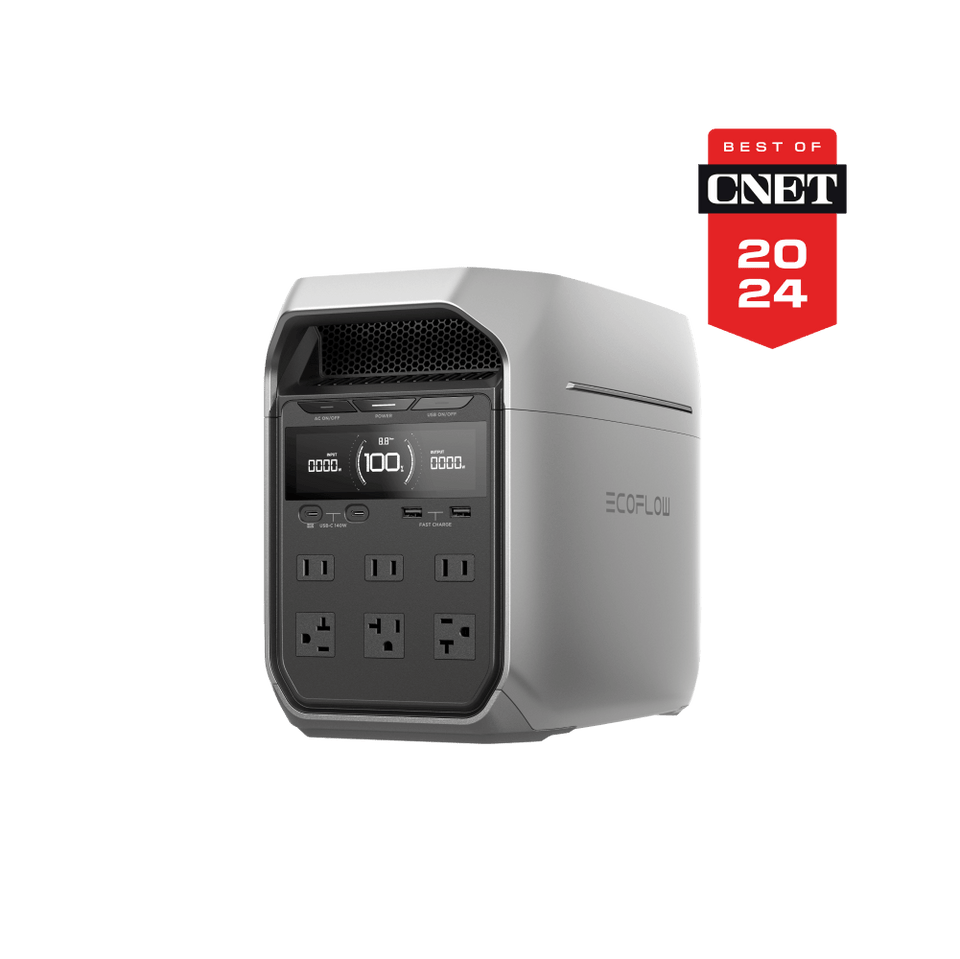
EcoFlow DELTA 3 Plus
Packs 1,000W dual-MPPT solar charging, sub-1-hour AC replenishment, and a sub-10 ms HID-capable UPS into a 27.6 lb chassis, making it more versatile than non-Plus 1kWh units.
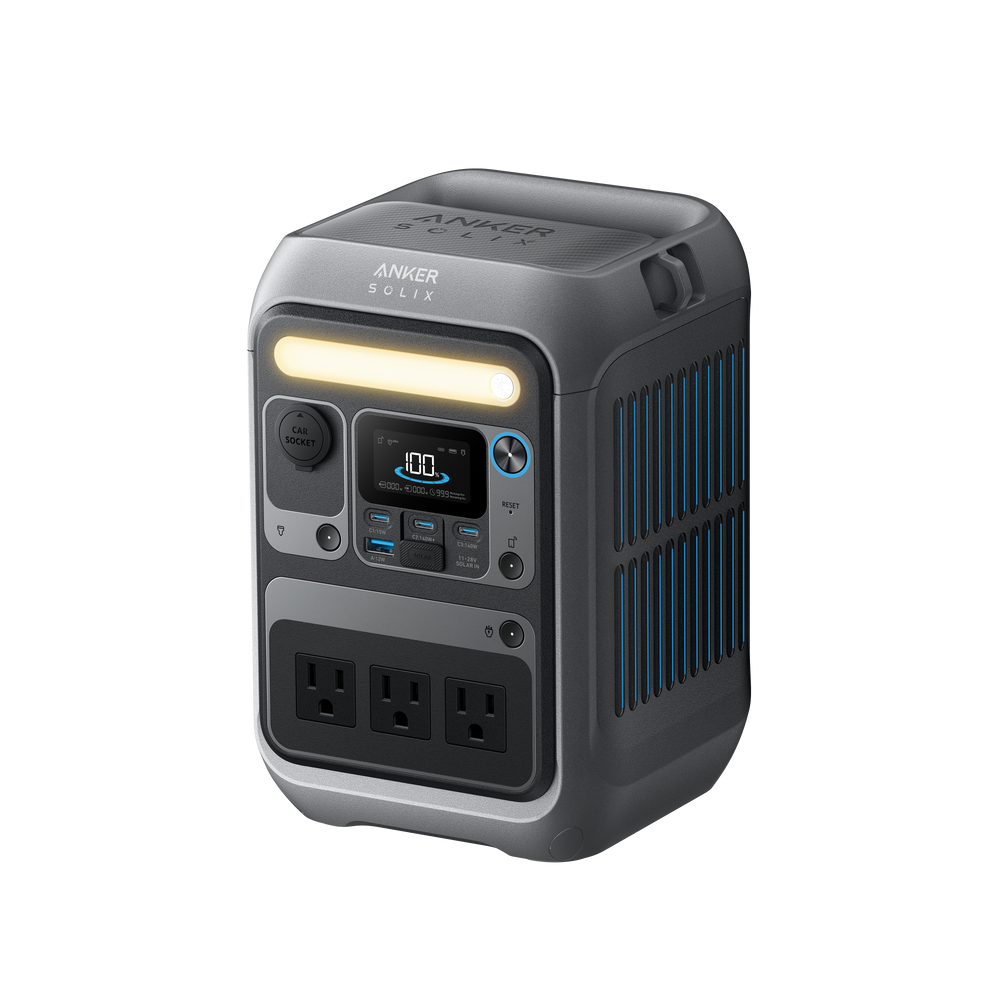
Anker SOLIX C300
A 9.1 lb vertical LiFePO4 station delivering 300W AC, dual 140W USB-C ports, and <10 ms UPS backup for routers, laptops, and day trips — just don't confuse it with the DC-only C300 DC or expect appliance runtime.
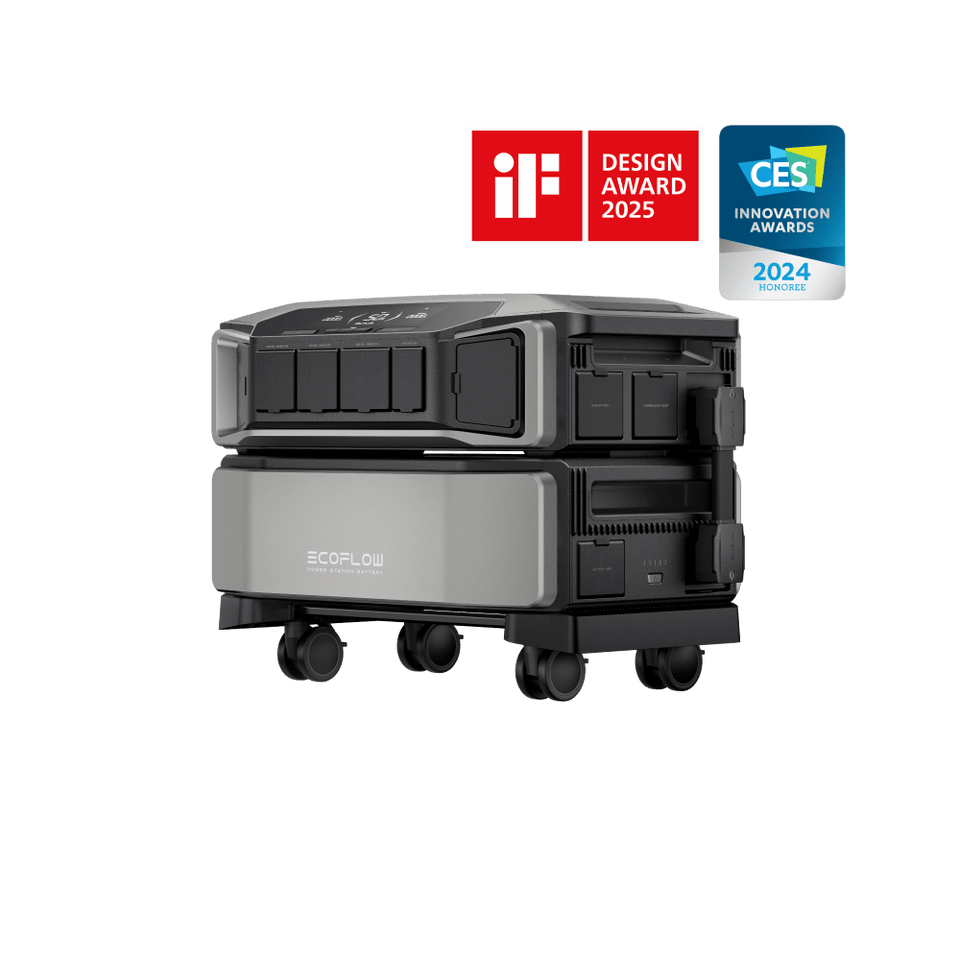
EcoFlow DELTA Pro Ultra
Built specifically for homeowners seeking high-voltage solar input (up to 5,600W) and modular 6kWh-per-stack scaling, though total kit cost and modular footprint exceed casual portable needs.
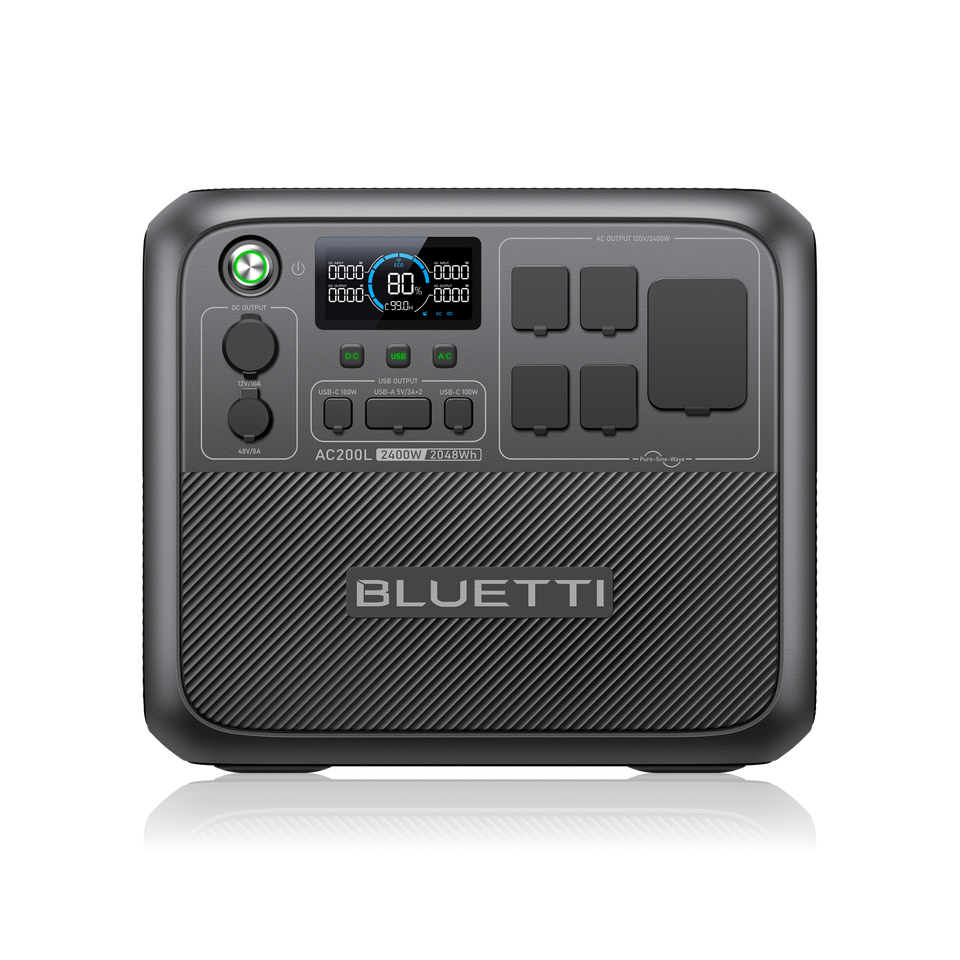
BLUETTI AC200L
Combines a high-efficiency 2,048Wh expandable platform, 1,200W high-voltage solar input (12–145V), and dedicated 30A TT-30R + 48V DC RV outputs at strong street pricing, trading away light weight and built-in wheels.
Frequently Asked Questions
Will a 20ms or 30ms EPS portable power station reboot my gaming PC or NAS server?+
Frequently, yes—especially under heavy GPU/CPU load. Intel's ATX 3.0 spec targets 17ms of capacitor hold-up time at 100% load, and ATX 3.1 relaxes that full-load target to 12ms. A legacy 20ms–30ms EPS transfer gap exceeds that buffer at high draw, triggering an instant reset. Choose a <10ms UPS station like the EcoFlow DELTA 3 Plus or Anker SOLIX C300 (or 0ms Online mode) for desktops.
Why do dedicated APC or CyberPower UPS units only run for 5 to 20 minutes?+
Desktop IT UPS boxes rely on compact sealed lead-acid (SLA) batteries built solely to absorb brief flickers or give an operating system enough time to save open files and execute an automated graceful shutdown—not to power a home office all afternoon. By contrast, a 1,024Wh LiFePO4 power station runs a 150W workstation setup for roughly 5 to 6 hours (accounting for 78%–88% AC conversion losses).
Do portable power stations provide the same surge protection and AVR as a computer UPS?+
Usually not. Dedicated line-interactive UPS units combine Automatic Voltage Regulation (AVR)—boosting brownouts without draining the battery—with high-joule UL 1449 MOV surge arrestors and Ethernet/coax protection. Most portable power stations pass raw wall voltage straight through until a hard blackout occurs and do not publish high-joule MOV suppression ratings.
What does 'PPS' mean in power specs—Portable Power Supply or Programmable Power Supply?+
Shoppers occasionally write 'PPS' for Portable Power Station, but in USB-C charging engineering, PPS officially stands for Programmable Power Supply (a variable-voltage USB-C PD feature for phones). When shopping for home or desk backup, look for explicit UPS/EPS millisecond switchover ratings rather than generic 'PPS' labels.
Sources & Technical References
- View Source →[1]Manufacturer SpecificationEcoFlow US OfficialVerified 2026-11-24EcoFlow DELTA 3 Plus Official Specifications
1,024Wh LFP, 1,800W continuous AC, 1,000W dual 500W MPPT solar, <10ms UPS, 1,500W X-Stream AC charging.
- View Source →[2]Manufacturer SpecificationAnker SOLIX US OfficialVerified 2026-11-24Anker SOLIX C300 Portable Power Station (Model A1722) Specifications
288Wh LFP AC-equipped model (distinct from DC-only C300 DC), 300W AC, 600W SurgePad, 100W XT60 solar, <10ms UPS.
- View Source →[3]Manufacturer User ManualEcoFlow Support DocumentationVerified 2026-11-24EcoFlow DELTA Pro Ultra User Manual & Technical Datasheet
Documents High-PV (80-450V, 15A, 4,000W) and Low-PV (30-150V, 15A, 1,600W) limits, operating temps, and UPS switching behavior.
- View Source →[4]Manufacturer SpecificationJackery US OfficialVerified 2026-11-24Jackery Explorer 5000 Plus Official Product Specifications
5,040Wh LFP capacity, 7,200W/14,400W AC specs, High-PV (135-450V) and Low-PV (16-60V) limits, and warranty terms.
- View Source →[5]Manufacturer SpecificationBLUETTI US OfficialVerified 2026-11-24BLUETTI AC200L Portable Power Station Official Specifications
2,048Wh LFP, 2,400W continuous AC, 3,600W Power Lifting mode, NEMA TT-30R + 48V/8A DC RV port, 1,200W solar (12-145V).