MPPT vs. PWM Solar Charge Controllers: Efficiency, Voltage & Sizing
Compare MPPT (~94%–99% DC-DC conversion) vs. PWM voltage clamping with real 12V–450V power station examples, cold-weather math, and panel matching rules.
MPPT solar charge controllers use DC-to-DC buck conversion (~94%–99% tracking efficiency) to hold solar panels at optimal power voltage while converting excess voltage into higher battery charging amps. PWM controllers simply clamp panel voltage down to battery level (~13.8V)—wasting 30%–45%+ of output on 36V–40V panels. Modern portable power stations build high-voltage MPPTs directly inside (up to 145V on BLUETTI AC200L or 450V on EcoFlow DELTA Pro Ultra), limiting PWM to tiny <100W 12V trickle setups.
Plug a standard 300W rigid solar panel (32V Vmp / 9.38A Imp / 38.5V Voc) into a 12.8V LiFePO4 battery through a cheap PWM charge controller, and midday sun may deliver barely 130 watts—leaving more than half of the panel’s paid-for capacity stranded on the roof. Swap only the controller to MPPT, and the exact same panel in the exact same sun suddenly pushes roughly 285–290 watts into the battery.
That dramatic output gap explains why Maximum Power Point Tracking (MPPT) dominates modern portable power stations and off-grid solar systems, while Pulse-Width Modulation (PWM) has retreated into niche sub-100W battery maintenance.
The Physics: DC-to-DC Conversion vs. Voltage Clamping
A solar panel is not a constant-voltage power supply; its power output equals Voltage × Amperage (V × A = W) along a shifting I-V curve that moves with sunlight intensity and cell temperature. Every charge controller prevents overcharging and blocks nighttime reverse-current drain from battery back into the panels—yet PWM and MPPT bridge the voltage difference in completely opposite ways:
- PWM (Voltage Clamping): A PWM controller contains no DC-to-DC transformer stage. It rapidly switches the solar array directly onto the battery terminals using pulse-width timing. Because the battery acts like a massive voltage anchor at ~13.6V–14.4V, it forces the solar panel to operate at ~14V instead of its natural 18V–36V sweet spot. Panel current remains locked near its Imp rating (
~9.4A), so total power collapses (14V × 9.4A ≈ 132W). - MPPT (DC-to-DC Buck Conversion, ~94%–99% Tracking Efficiency): An MPPT controller continuously sweeps the panel’s voltage curve to hold the module at its true Vmp (
32V × 9.38A = 300W), then uses a high-frequency DC-to-DC buck converter to step voltage down and current up cleanly into the battery bank (300W × ~96% ÷ 13.8V ≈ 20.9A).
Worked Output Math: 300W Residential Panel on a 12V Battery
| Metric | 300W Panel (32V Vmp / 9.38A) via PWM |
300W Panel (32V Vmp / 9.38A) via MPPT |
|---|---|---|
| Panel Operating Voltage | Clamped down to ~13.8V (battery level) | Tracked at optimal ~32.0V Vmp |
| Charging Current Into 12V LFP | ~9.4A–9.8A (no current boost) | ~20.8A (voltage converted to extra amps) |
| Delivered Charging Power | ~130W – 135W | ~285W – 290W (~95%–97% net conversion) |
| Wasted Solar Capacity | ~55% lost (even on an 18V “12V” panel, ~25%–30% lost) | <5% conversion loss |
| Cold-Weather Morning Gain | Clamped and discarded | Captured cleanly (within strict Voc limits) |
Even when pairing a traditional “12V nominal” portable panel (~18V–20V Vmp) with a 12V battery, PWM still sacrifices ~20%–30% of rated power because 18V must drop down to ~13.5V–14.4V without any current multiplication. With today’s 30V–45V residential rigid modules, PWM efficiency falls off a cliff.
Why Cold Weather Widens the MPPT Advantage—And Creates a Voc Hazard
Solar cells behave counterintuitively with temperature:
- Hot Roofs Drop Voltage: On a 100°F afternoon, dark solar cells heat past 140°F (
60°C), pulling panel Vmp down. Under NREL field derating conditions (see How Long to Charge With Solar), warm summer panels deliver roughly 58%–75% of STC nameplate watts. A PWM controller paired with an 18V panel in extreme heat can struggle to clear battery absorption voltage cleanly, whereas MPPT tracks the lowered Vmp peak accurately. - Freezing Mornings Spike Voltage: On crisp
20°Fmornings, panel Open-Circuit Voltage (Voc) climbs roughly 10%–15%+ above its 77°F STC sticker. An MPPT controller turns that higher cold voltage into extra morning watts—provided the spike does not exceed the controller’s maximum Voc limit. Exceeding maximum Voc even briefly before charging starts can permanently destroy MPPT input MOSFETs. Review cold-weather safety margins in Solar Input Limits & MPPT Explained.
How Modern Portable Power Stations Integrate MPPT
Unlike old DIY van builds where you bolted a separate Victron or Renogy charge controller onto plywood, modern portable power stations build high-efficiency MPPT stages straight inside the enclosure—often accepting dramatically higher voltages than traditional 12V PWM boxes ever supported:
| Model | Integrated MPPT Architecture | Rated Max Solar | Safe Voc Input Window | Max Current / Notes |
|---|---|---|---|---|
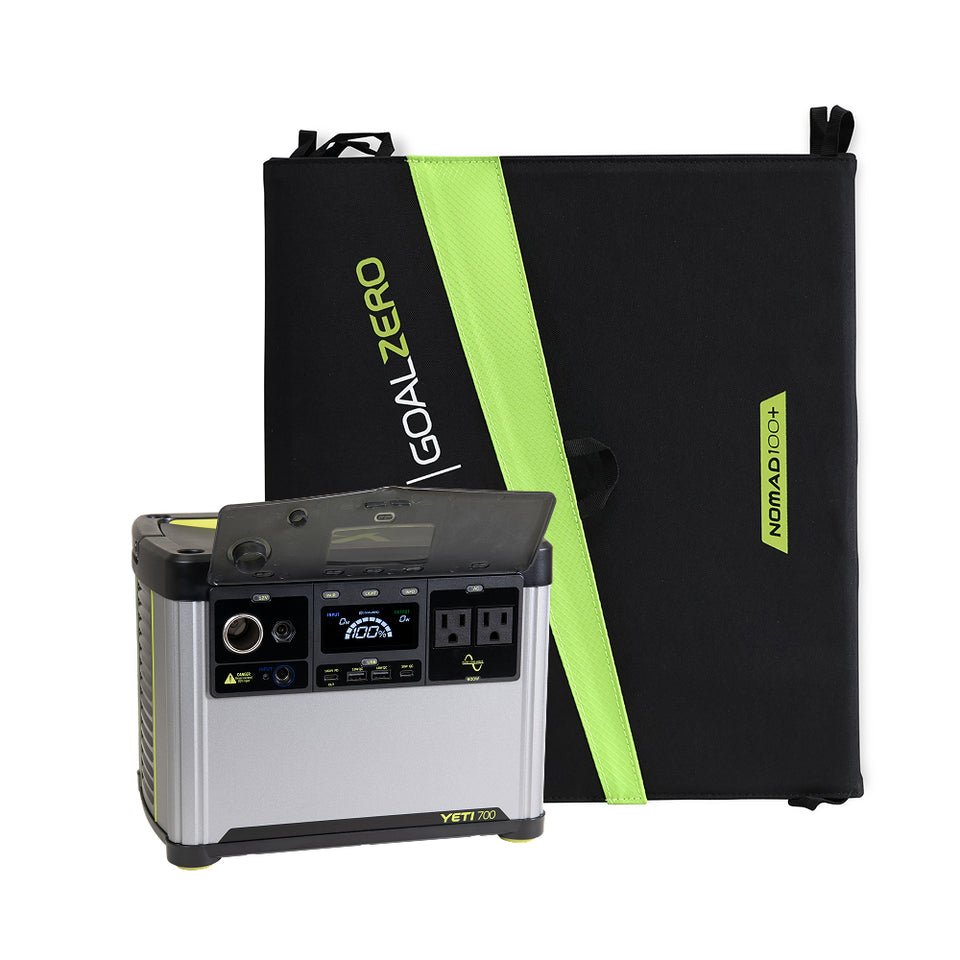
| Goal Zero Yeti 700 | Single built-in MPPT | 200 W | 15V–50V |
Sized for 12V-class portable panels |
| EcoFlow DELTA 3 Plus | Dual independent 500W MPPTs | 1,000 W | 11V–60V per XT60i port |
15A max per port (500W × 2) |
| BLUETTI AC200L | Single wide-range MPPT | 1,200 W | 12V–145V |
15A max; accepts high-Voc rigid panels |
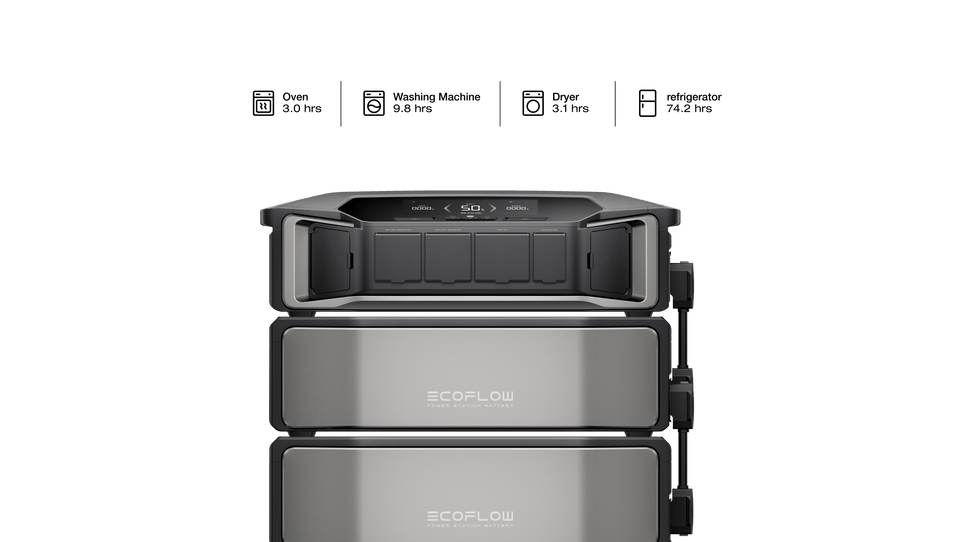
| EcoFlow DELTA Pro Ultra | Dual High-PV + Low-PV MPPTs | 5,600 W | High-PV: 80V–450V / Low-PV: 30V–150V |
4,000W + 1,600W (15A max each) |
| Jackery Explorer 5000 Plus | Dual High-PV + Low-PV MPPTs | 4,000 W (High-PV) | High-PV: 135V–450V / Low-PV: 16V–60V |
Separate ports for home arrays vs. folding panels |
(Note: Never plug a PWM controller in front of a power station’s MPPT port, and always confirm manual Voc minimums too—for instance, a single 20V camp panel falls below the 80V floor of DELTA Pro Ultra’s High-PV port and must use the Low-PV port instead. Also note architectural exceptions like the DJI Power 1000, which places its MPPT electronics inside external DJI SDC solar adapter modules rather than directly inside the chassis. Consult a qualified solar installer or licensed electrician for any high-voltage rooftop or ground array above 50V–150V.)
Understanding Current Clipping Inside Station MPPT Inputs
Because an MPPT controller actively regulates power flow using DC-to-DC buck conversion, amperage behaves very differently from voltage. Exceeding a controller’s voltage ceiling (Voc) can destroy switching electronics instantly; by contrast, slightly exceeding the port’s rated charging amperage (while staying safely below the manual’s hard Voc and maximum Isc short-circuit current ceiling) causes the MPPT simply to clip incoming power at its rated wattage cap. That built-in regulation lets owners intentionally add slightly extra panel wattage to hold steady charging speeds during hazy mornings or winter overcast—a capability PWM switches cannot perform cleanly.
When Does a PWM Controller Still Have a Job?
Despite legacy articles claiming PWM works “up to 500W,” in real 2026 solar design PWM only makes financial or electrical sense in narrow cases:
- Sub-100W 12V Trickle Maintenance: A 20W to 50W 12V-nominal panel keeping a boat cranking battery, deer feeder, or stored RV chassis battery topped off at 13.6V needs simplicity, tiny quiescent draw, and a $15–$25 weatherproof controller—not a $100+ MPPT box.
- Tight Ultra-Budget 12V Shed Lights (<100W): When matching a single small
18V Vmppanel to a 12V battery for simple LED lighting, spending $20 on PWM versus $90 on MPPT saves money upfront—though adding a second panel or moving to lithium power stations tilts the math immediately back to MPPT.
Estimate how fast your power station recovers under real overcast and sunny skies in our Solar Charging Time Calculator, or compare top solar-ready units in our Best Solar Generators Guide.
Models Discussed in This Article
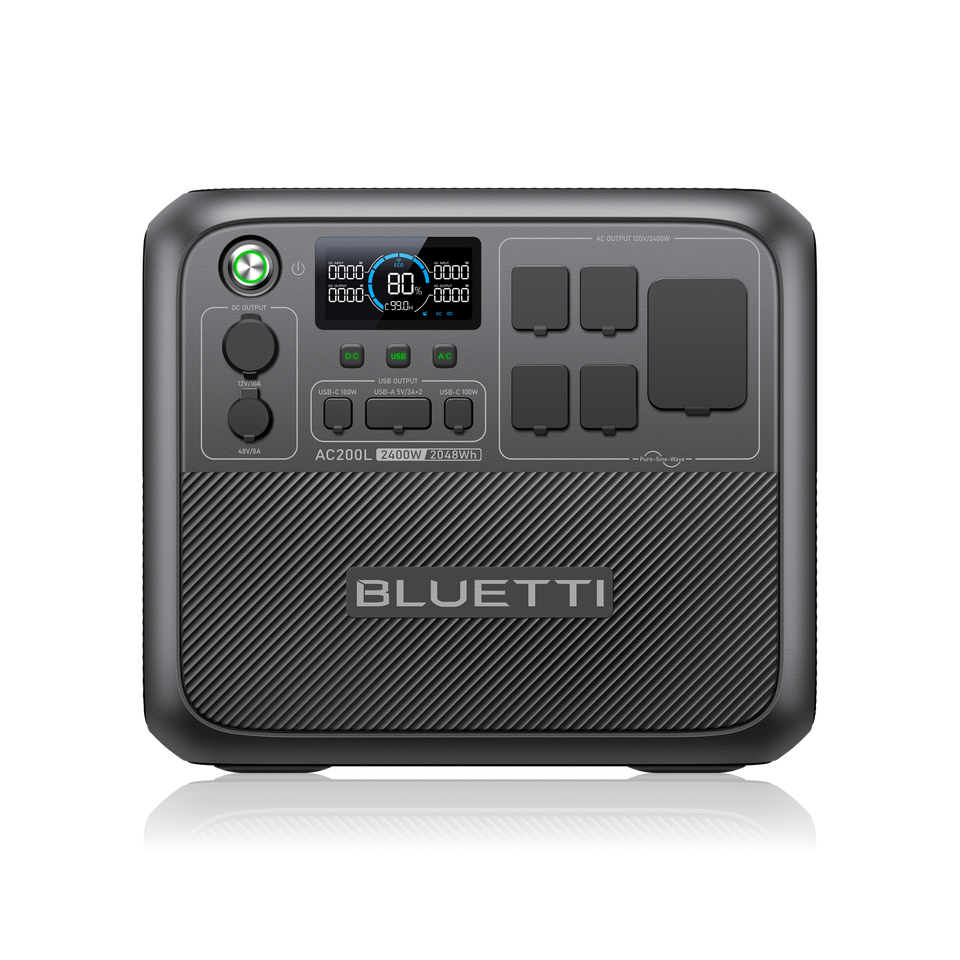
BLUETTI AC200L
Combines a high-efficiency 2,048Wh expandable platform, 1,200W high-voltage solar input (12–145V), and dedicated 30A TT-30R + 48V DC RV outputs at strong street pricing, trading away light weight and built-in wheels.
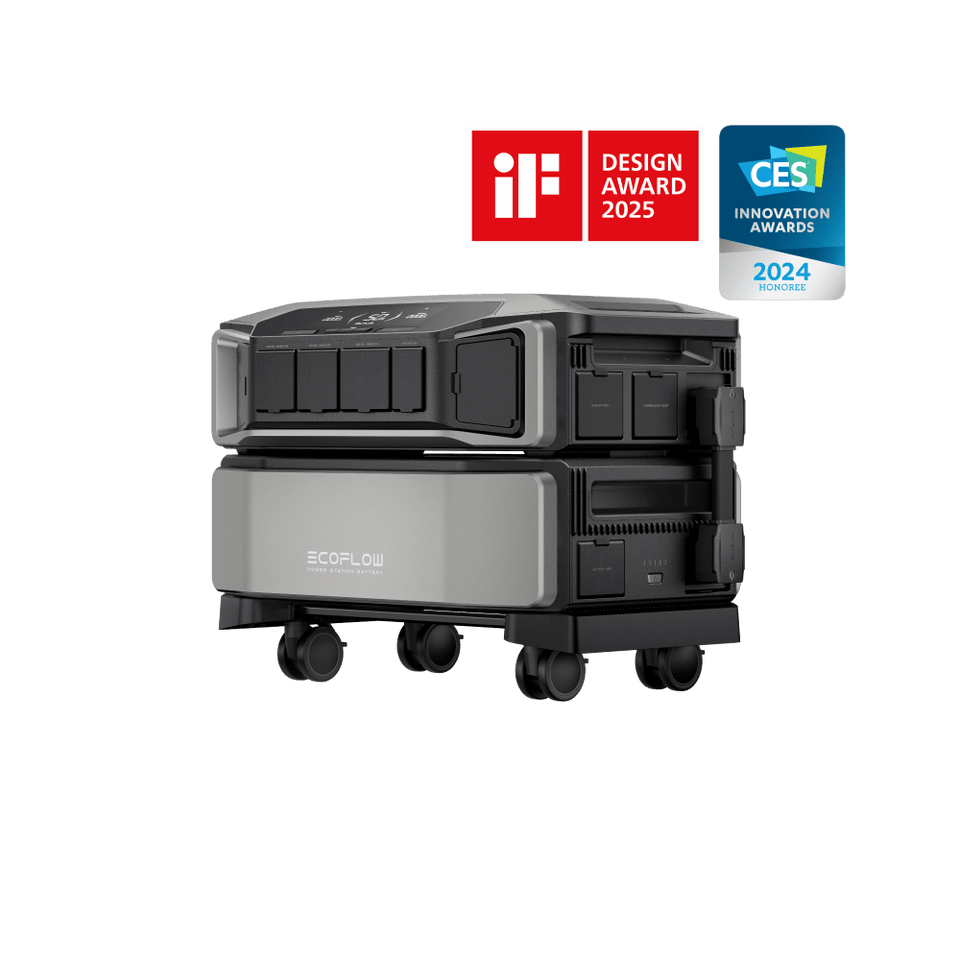
EcoFlow DELTA Pro Ultra
Built specifically for homeowners seeking high-voltage solar input (up to 5,600W) and modular 6kWh-per-stack scaling, though total kit cost and modular footprint exceed casual portable needs.
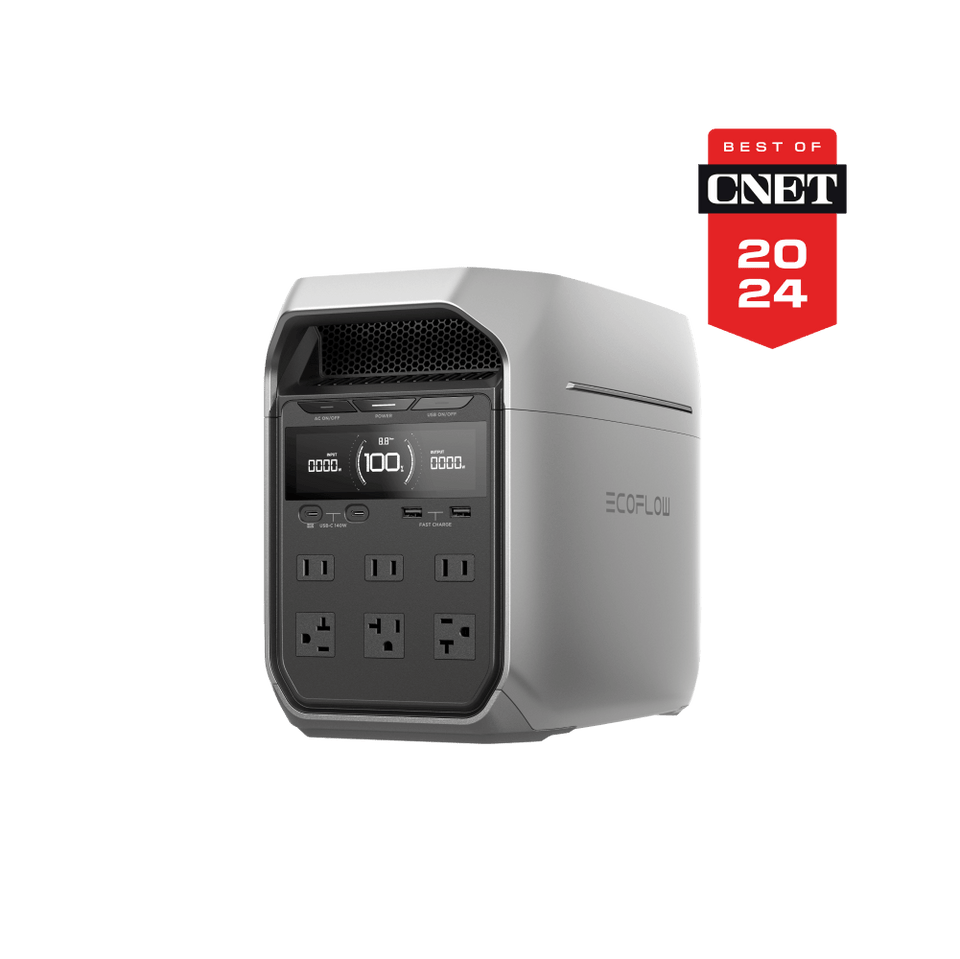
EcoFlow DELTA 3 Plus
Packs 1,000W dual-MPPT solar charging, sub-1-hour AC replenishment, and a sub-10 ms HID-capable UPS into a 27.6 lb chassis, making it more versatile than non-Plus 1kWh units.
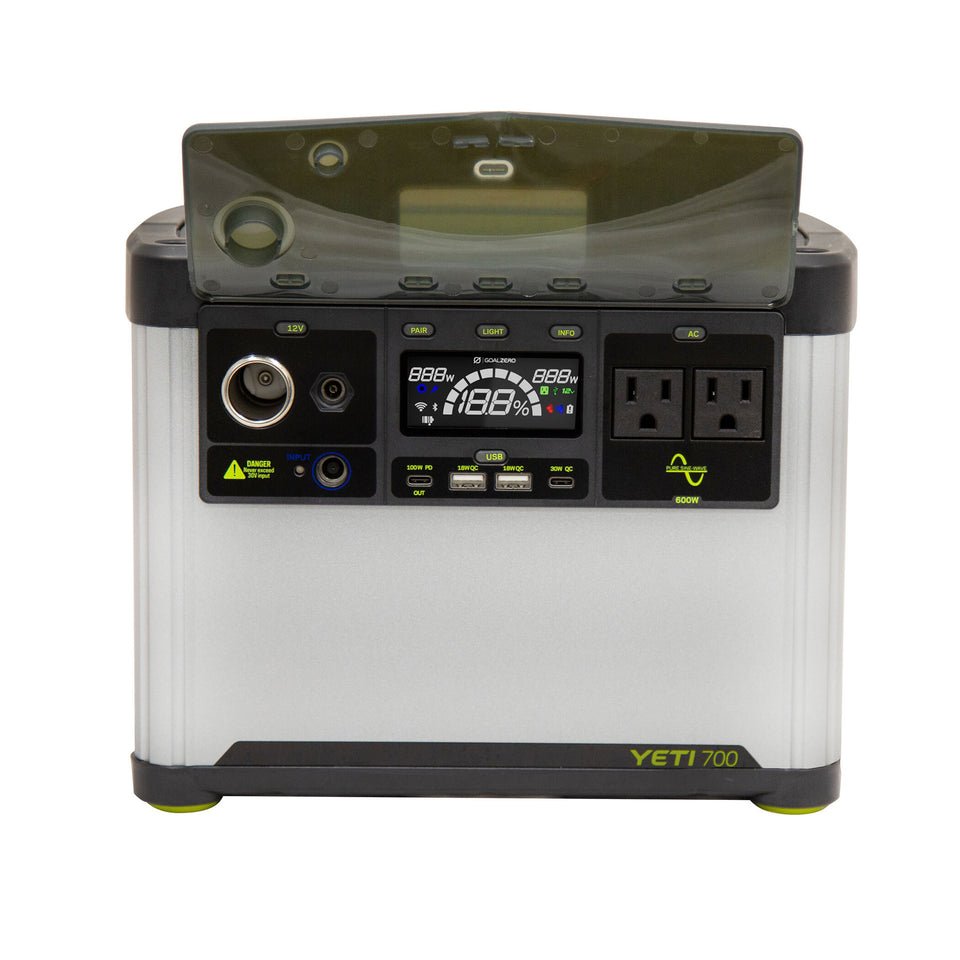
Goal Zero Yeti 700
Prioritizes IPX4 splash resistance, 4,000-cycle LFP longevity, and US-based warranty support over raw inverter wattage or solar charging speed.
Frequently Asked Questions
Why does plugging a 24V or 36V solar panel into a 12V PWM controller waste so much power?+
A PWM controller acts like a fast electronic switch connecting the panel straight to the battery. That pulls the panel's operating voltage down from ~32V–38V right down to the battery's ~13.8V charging voltage, while panel amperage barely rises—throwing away 30% to 55% of the panel's rated watts as lost potential.
Does cold weather help MPPT controllers pull ahead of PWM even further?+
Yes. Solar panel voltage rises noticeably in freezing morning air. An MPPT controller converts that extra cold-weather voltage headroom into added charging amps (provided panel Voc stays safely under the controller's hard ceiling), whereas a PWM controller clamps voltage down to battery level and discards the extra winter gain.
Do portable power stations like BLUETTI, EcoFlow, or Jackery already have MPPT built in?+
Yes—nearly all modern portable power stations include integrated MPPT controllers (such as 12V–145V on the BLUETTI AC200L or 80V–450V High-PV on the EcoFlow DELTA Pro Ultra). One notable exception is the DJI Power 1000, which requires DJI's external SDC MPPT Solar Panel Adapter Module to accept panels.
Is there any scenario in 2026 where a PWM controller still makes sense?+
Only on very small, budget-driven <100W 12V-native battery maintainers—such as a 20W to 50W trickle panel keeping a boat, gate opener, or stored trailer battery topped off—where an MPPT's higher price and tiny standby draw outweigh the modest watt-hour gain.
Sources & Technical References
- View Source →[1]Manufacturer SpecificationBLUETTI US OfficialVerified 2026-11-24BLUETTI AC200L Portable Power Station Official Specifications
2,048Wh LFP, 2,400W continuous AC, 3,600W Power Lifting mode, NEMA TT-30R + 48V/8A DC RV port, 1,200W solar (12-145V).
- View Source →[2]Manufacturer User ManualEcoFlow Support DocumentationVerified 2026-11-24EcoFlow DELTA Pro Ultra User Manual & Technical Datasheet
Documents High-PV (80-450V, 15A, 4,000W) and Low-PV (30-150V, 15A, 1,600W) limits, operating temps, and UPS switching behavior.
- View Source →[3]Manufacturer SpecificationEcoFlow US OfficialVerified 2026-11-24EcoFlow DELTA 3 Plus Official Specifications
1,024Wh LFP, 1,800W continuous AC, 1,000W dual 500W MPPT solar, <10ms UPS, 1,500W X-Stream AC charging.
- View Source →[4]Government Research ResourceNational Renewable Energy Laboratory (NREL)Verified 2026-11-24PVWatts & US Peak Sun Hours Reference Data
Documents regional peak sun hours and real-world photovoltaic derating factors (ambient heat, angle, shading, controller loss).
- View Source →[5]Manufacturer SpecificationJackery US OfficialVerified 2026-11-24Jackery Explorer 5000 Plus Official Product Specifications
5,040Wh LFP capacity, 7,200W/14,400W AC specs, High-PV (135-450V) and Low-PV (16-60V) limits, and warranty terms.