EcoFlow Dual Fuel Smart Generator Review: Hybrid DC Charging & Outage Resiliency
Analysis of the 1,800W gas / 1,600W propane EcoFlow Smart Generator: direct DC charging, auto-start DELTA Pro pairing, fuel math, and CO safety rules.
The EcoFlow Smart Generator (Dual Fuel) produces 1,800W rated output on gasoline and 1,600W on propane (LPG), pairing electric push-button start, CO auto-shutoff, and direct 42V–58.8V DC charging for compatible EcoFlow DELTA stations. Bypassing double AC-to-DC conversion increases fuel efficiency during multi-day overcast blackouts, while stored propane resists fuel spoilage—provided the engine runs strictly outdoors 20+ feet from doors, windows, and vents.
Every pure-solar emergency plan runs into the same meteorological wall: a December ice storm, smoky wildfire sky, or four-day coastal hurricane can drop portable solar panel yields down to 10%–20% of rated capacity. When a 2,048Wh or 3,600Wh battery finally hits 15% after two overcast days, keeping refrigerators and furnace blowers online requires either grid restoration or combustion fuel.
That exact winter-storm gap explains why EcoFlow’s Dual Fuel Smart Generator (1,800W gas / 1,600W LPG) works differently from a standard hardware-store inverter generator. Rather than idling continuously all night at 150W to keep a kitchen fridge cold, it acts as a high-efficiency DC battery charger—running briefly at optimal engine load to refill a silent indoor battery bank, then shutting itself off automatically.
Core Mechanical & Electrical Specifications
| Specification | EcoFlow Smart Generator (Dual Fuel — 1,800W Class) |
|---|---|
| Rated / Surge Output (Gasoline) | 1,800W rated (1,900W peak) via 120V AC or DC charging |
| Rated / Surge Output (Propane LPG) | 1,600W rated (1,700W peak) |
| Dedicated DC Charging Output | 42V–58.8V DC, up to 32A max (XT150 ecosystem port) |
| Engine Architecture | 79.7cc single-cylinder, 4-stroke OHV air-cooled (R80N-i) |
| Oil & Fuel Capacity | 0.38 L (0.1 US gal) SAE 10W-30 / 10W-40 oil; 4.0 L (1.05 US gal) gas tank |
| Acoustic Rating (at 7 m / 23 ft) | 56–67 dB (depending on load & Eco mode) |
| Starting Methods | Electric push-button (onboard Li-ion starter), pull cord, EcoFlow App, SOC auto-start |
| Integrated Safety Cutoffs | Built-in Carbon Monoxide (CO) shutoff, low-oil shutoff, overload & temp protection |
| Weight & Footprint | ~67.2 lbs (30.5 kg); 23.5 × 11.8 × 18.7 in |
(Note for 2026 buyers: EcoFlow also sells higher-capacity Smart Generator models such as the Smart Generator 4000 Dual Fuel geared toward larger DELTA Pro 3 and EcoFlow DELTA Pro Ultra systems. Always verify your exact power station’s DC port voltage and adapter support before purchasing.)
The DC-to-DC Efficiency Advantage (Why Direct Battery Charging Saves Fuel)
Plug a conventional 2,000W portable generator into a power station’s 120V AC wall input and the electricity undergoes two wasteful conversions:
- The generator engine spins an alternator, generating raw multi-phase power converted to DC, then inverted to
120VAC. - The power station’s internal X-Stream charger rectifies
120VAC right back down to ~48V–54VDC to charge the LFP cells.
Each conversion step sheds waste heat and introduces power-factor limitations—and small generators sometimes stall or trigger ground-neutral faults when 1,500W fast-chargers suddenly ramp up.
EcoFlow’s Smart Generator solves both bottlenecks with its 42V–58.8V (32A max) DC charging port. When paired via an XT150-to-XT150 cable (or the official DELTA Pro to Smart Generator Adapter on original 3,600Wh DELTA Pro units), DC power flows directly into the battery management bus at up to 1,800W—allowing a full 3,600Wh DELTA Pro DC recharge in roughly 2.7 hours while EcoFlow specifies approximately 40% higher fuel efficiency over standard AC-to-AC charging pathways.
Even better, bidirectional telemetry enables automated State-of-Charge (SOC) triggers inside the EcoFlow App:
- Set an upper threshold (for example, stop charging at
80%or90%) and a lower threshold (for example, auto-start when the battery dips to20%). - Instead of trekking outside at 2:00 a.m. in freezing rain, the generator cranks automatically via its onboard starter battery, blasts steady high-load DC energy into your indoor power station for
1.5–2.5hours, and shuts itself off cleanly—leaving you with silent battery power indoors again.
Compare that hybrid workflow against pure-battery sizing in Portable Power Station vs. Gas Generator.
Propane vs. Gasoline: Shelf Life, Cold Weather, and Outage Math
Dual-fuel flexibility matters far more after six months in a storage shed than on Day 1 out of the box:
Why Propane (LPG) Wins for Storm Readiness
- Zero Carburetor Varnish: Standard E10 pump gasoline oxidizes and clogs tiny pilot jets inside small
79.7cccarburetors within 30 to 90 days unless drained dry or stabilized properly. Sealed20 lb(~4.7 gal) or40 lbLPG cylinders keep indefinitely with zero chemical decay—no draining bowls, no messy funnels in dark storms. - Cleaner Exhaust & Extended Run Windows: Propane produces minimal odor and dramatically lowers carbon buildup on spark arrestors and valves. At rated output, a single
20 lbgrill tank supplies up to~12.5 hoursof runtime depending on charge wattage—enough to deliver multiple full1,024Wh–2,048Whbattery recharge cycles per cylinder.
Where Gasoline Still Has the Edge
~12.5%Higher Wattage Ceiling (1,800Wvs.1,600W): Gasoline carries higher energy density per cylinder stroke, yielding an extra200Wof rated output.- Cold-Weather Vaporization: Below roughly
20°F–25°F, standard20 lbpropane tanks lose vapor pressure rapidly under heavy1,500W+draw, causing frost buildup on the tank collar and premature engine starvation. In sub-zero winter blizzards, stabilized ethanol-free gasoline keeps flowing reliably (~3.5 hoursat continuous high load per1.05-gallonfill, or roughly2–3full refills on2kWhclass stations).
Fuel Consumption Economics of Hybrid Cycling
Suppose your household draws 180W average (4.3 kWh/day) for a refrigerator, gas furnace igniter/fan, Wi-Fi router, and lights. Running a conventional 2,000W gas generator 24 hours straight at 10% load wastes fuel spinning pistons against friction, burning ~1.8–2.5 gallons daily ($6–$10/day) while creating 24 hours of noise and rapid oil wear.
Running a hybrid battery (2kWh–3.6kWh) like a BLUETTI AC200L or EcoFlow DELTA 3 Plus indoors and firing up the Smart Generator for two short ~90–120 minute DC charge bursts per day cuts engine runtime by 80%, reduces fuel burn noticeably, and keeps your home quiet through the night.
Mandatory Outdoor CO Safety & Maintenance Rules
Any combustion engine emits lethal, odorless Carbon Monoxide (CO)—and EcoFlow’s built-in CO auto-shutoff sensor is strictly a secondary safeguard, never permission to run indoors. Follow US CPSC and NFPA generator placement rules rigorously:
- Outdoors Only — Never in Garages or Carports: Even with a two-car garage door wide open and box fans blowing, CO pools rapidly and drifts into adjoining bedrooms. Never operate the generator inside a basement, shed, crawlspace, RV compartment, or covered breezeway.
- Maintain
20+Feet Clearance: Set the generator at least 20 feet away from your home’s doors, windows, soffit vents, dryer vents, and HVAC fresh-air intakes, aiming the muffler exhaust downwind and away from living structures. - Verify Indoor CO Alarms: Install battery-backed UL-listed Carbon Monoxide detectors on every sleeping level of your home before any outage season.
- Watch Break-In Oil & Starter Battery Charge: Like any
4-strokeair-cooled OHV engine, the initial0.38 Loil fill requires an early break-in oil change (check the EcoFlow manual—commonly after the first 20–25 hours, then every 50–100 hours), and you must periodically top up or check the internal electric-start lithium battery so push-button auto-start works when needed. Keep the manual pull cord accessible as backup. - Never Backfeed Wall Outlets: If feeding home circuits through an AC transfer switch rather than running extension cords or direct DC cables, use only a listed transfer switch or interlock installed by a licensed electrician per NFPA 70 (NEC).
Who Should Actually Buy the EcoFlow Smart Generator?
- Strong Fit: Owners of compatible EcoFlow DELTA ecosystems (original DELTA Pro with adapter, DELTA Max, DELTA 2 / DELTA 2 Max) living in hurricane, ice-storm, or dense-canopy regions where multi-day lack of sunshine breaks pure-solar autonomy.
- Skip or Compare Alternatives If: You own a non-EcoFlow power station like a Jackery Explorer 2000 v2 or BLUETTI AC200L—you lose the proprietary XT150 DC plug and auto-start telemetry, meaning a quieter standard dual-fuel inverter generator (
$450–$650street price) recharging via the station’s AC wall port delivers better dollars per watt.
Review how solar, battery storage, and backup generators compare across multi-day blackouts in How to Choose a Portable Power Station or size your daily critical watt-hours with our Wattage Calculator.
Models Discussed in This Article
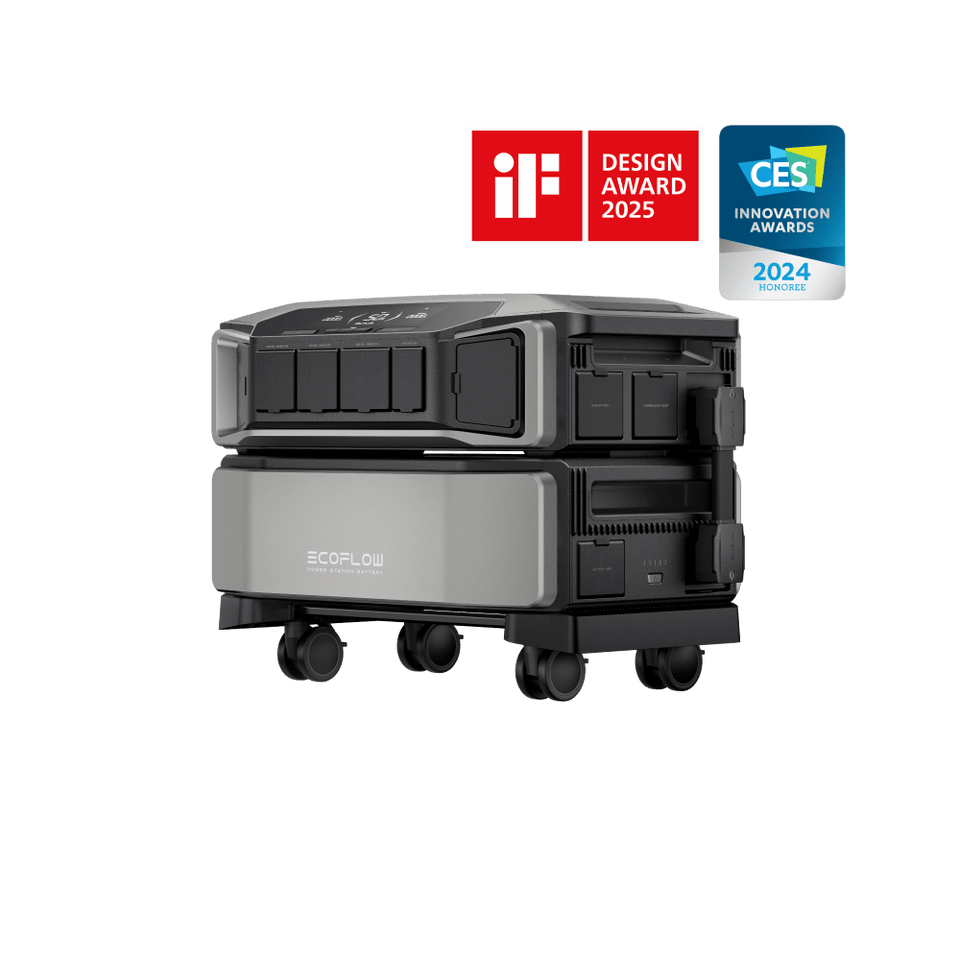
EcoFlow DELTA Pro Ultra
Built specifically for homeowners seeking high-voltage solar input (up to 5,600W) and modular 6kWh-per-stack scaling, though total kit cost and modular footprint exceed casual portable needs.
EcoFlow DELTA 3 Plus
Packs 1,000W dual-MPPT solar charging, sub-1-hour AC replenishment, and a sub-10 ms HID-capable UPS into a 27.6 lb chassis, making it more versatile than non-Plus 1kWh units.
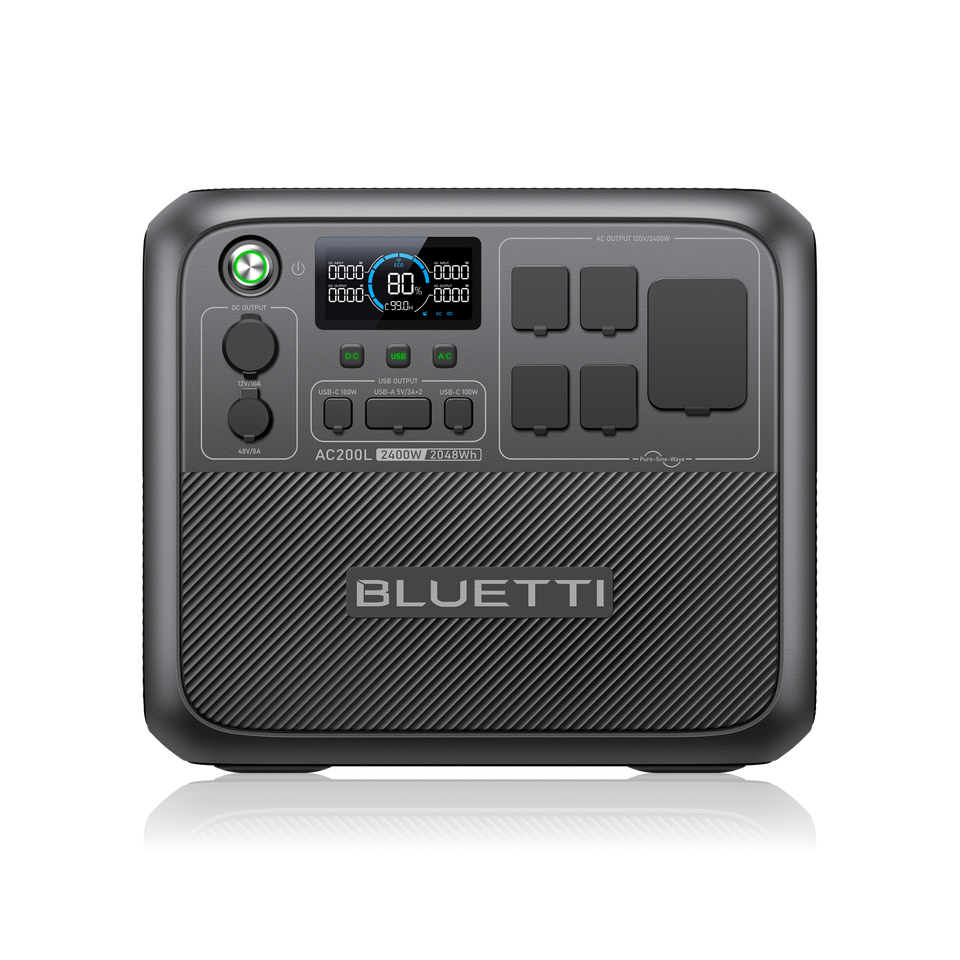
BLUETTI AC200L
Combines a high-efficiency 2,048Wh expandable platform, 1,200W high-voltage solar input (12–145V), and dedicated 30A TT-30R + 48V DC RV outputs at strong street pricing, trading away light weight and built-in wheels.
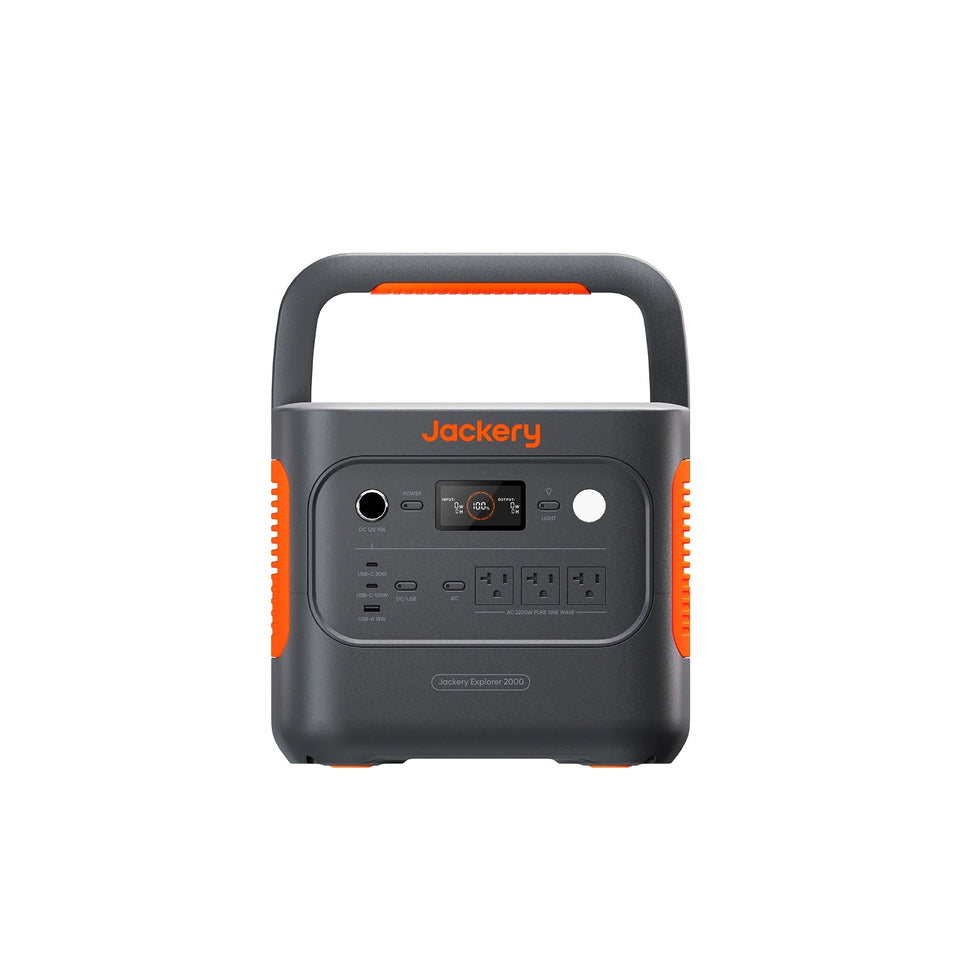
Jackery Explorer 2000 v2
A breakthrough 39.5 lb chassis makes 2,042Wh genuinely single-hand portable for camping and apartments, provided you accept its 400W solar recharge ceiling and non-expandable battery.
Frequently Asked Questions
Why does the EcoFlow Smart Generator charge EcoFlow batteries faster and more efficiently via DC than AC?+
Charging a power station from a normal generator AC socket converts alternator DC into 120V AC inside the generator and then rectifies 120V AC back into battery DC inside the power station. Using the Smart Generator's 42V–58.8V (32A max) XT150 DC output charges compatible DELTA batteries directly—avoiding double conversion losses and boosting fuel efficiency by roughly 40% per EcoFlow.
Which EcoFlow power stations support direct XT150 DC charging and auto-start?+
EcoFlow's 1,800W Smart Generator (Dual Fuel) natively connects via XT150 DC cable to compatible DELTA Max / DELTA 2 / DELTA 2 Max / Power Kits systems, and connects to the original 3,600Wh DELTA Pro using the official DELTA Pro to Smart Generator Adapter. Owners of newer high-voltage stacks like the DELTA Pro Ultra should verify current EcoFlow Smart Generator 4000 Dual Fuel or AC-port compatibility before buying.
Should I store gasoline or propane for emergency generator backup?+
Propane (LPG) stores indefinitely in certified steel cylinders without gumming carburetors, whereas ethanol-blended pump gasoline begins degrading within 30–90 days unless treated with stabilizer and rotated regularly. Keep propane for long-term outage readiness (1,600W rated), and reserve unleaded gasoline (1,800W rated) for multi-day storms when propane exchanges run dry.
Is the built-in CO sensor safe enough to run the EcoFlow Smart Generator inside an open garage?+
No. Never run any gasoline or propane generator inside a garage, basement, shed, carport, or enclosed porch—even with garage doors open or fans running. Treat the built-in CO auto-shutoff purely as a backup safeguard, and always operate the generator outdoors at least 20 feet away from windows, doors, and HVAC air intakes with exhaust directed downwind.
Sources & Technical References
- View Source →[1]Manufacturer SpecificationEcoFlow US OfficialVerified 2026-11-25EcoFlow Smart Generator (Dual Fuel) Specifications
1,800W gasoline / 1,600W LPG hybrid DC/AC backup generator with automatic DC battery charging trigger for DELTA Pro and DELTA 2 ecosystems.
- View Source →[2]Manufacturer SpecificationEcoFlow US OfficialVerified 2026-11-25EcoFlow DELTA Pro Portable Power Station Specifications
3,600Wh LFP expandable up to 25kWh ecosystem, 3,600W continuous AC (7,200W split-phase with Double Voltage Hub), 1,600W 11-150V solar input.
- View Source →[3]Manufacturer SpecificationEcoFlow US OfficialVerified 2026-11-25EcoFlow DELTA 2 Portable Power Station Specifications
1,024Wh LFP, 1,800W continuous / 2,700W surge AC output, X-Boost resistive mode, 500W (11-60V, 15A) solar input, and Smart Extra Battery expansion.
- View Source →[4]Manufacturer SpecificationEcoFlow US OfficialVerified 2026-11-24EcoFlow DELTA Pro Ultra Product Page & Specifications
Official North American 120V/240V split-phase inverter and 6,144Wh LiFePO4 battery module specs.
- View Source →[5]Technical & Safety StandardNational Fire Protection Association (NFPA)Verified 2026-11-24NFPA 70 National Electrical Code (NEC) Transfer Equipment & Standby Power Overview
Governs transfer switches, panel interlocks, and prohibition of unsafe backfeeding on US residential electrical panels.