How to Choose a Solar & Battery Installer in University Place, WA (2026 Consumer Guide)
Vet University Place solar & battery installers with WA L&I license checks, Tacoma Power net metering rules, 2026 tax updates, and 7 contract questions.
University Place homeowners are served by Tacoma Power, which supports 1:1 net metering with an annual March 31 credit reset and requires active WA L&I electrical contractor licensing plus Tacoma Power permits before Permission to Operate. Because the 30% federal Section 25D residential credit expired after December 31, 2025, compare Washington's sales tax exemption, winter irradiance math, and portable 240V transfer-switch backup objectively.
Generic “Top 10 Solar Companies in University Place” listicles fail Washington homeowners badly in 2026. Dozens of legacy online rankings still copy-paste outdated 2021 pricing, list defunct national installers (such as restructured legacy SunPower divisions), or push expired federal tax-credit promises that vanished at the end of 2025. Rather than publishing unverified star ratings or fabricated contractor rankings, this guide gives University Place and Pierce County homeowners a transparent, verifiable 2026 local vetting framework grounded in Tacoma Power rules, Washington State L&I licensing, and Pacific Northwest winter solar math.
1. Know Your Utility: Tacoma Power Net Metering & Permitting Rules
Most homes in University Place receive electricity from Tacoma Power (Tacoma Public Utilities), rather than Puget Sound Energy or Seattle City Light—and Tacoma Power enforces very specific interconnection and billing mechanics aligned with Washington Utilities and Transportation Commission (UTC) net metering principles:
- 1:1 Retail Net Metering (Up to 100 kW): Excess solar kilowatt-hours exported during bright Pierce County summer afternoons credit onto your Tacoma Power bill at a 1:1 ratio against kWh drawn from the grid during evenings and rainy winter months.
- Annual March 31 Credit Reset: Rolled-over net metering credits expire every year on March 31 without cash payout. Because of that reset, sizing a rooftop array larger than ~100% of your actual 12-month kWh usage destroys financial return—you effectively donate unpaid surplus energy back to the utility every spring. Any honest contractor must model your exact last 12 months of Tacoma Power billing rather than overselling roof capacity.
- No Direct Tacoma Power Cash Rebates: Tacoma Power does not offer a direct per-watt cash rebate for solar panels. Your core economics rest on avoiding utility rate increases, utilizing 1:1 net metering, and applying eligible state exemptions.
- Dual Permitting Sequence: Before installation begins, your contractor must pull a Tacoma Power electrical permit and submit the Tacoma Power Solar Application & Interconnection Agreement, alongside required structural/building approvals (City of University Place or unincorporated Pierce County Planning & Public Works, depending on parcel lines). Your system cannot legally be turned on until inspection passes and Tacoma Power issues formal Permission to Operate (PTO).
2. 2026 Solar Tax & Incentive Reality Check (Don’t Fall for Outdated Quotes)
One of the fastest ways to spot an untrustworthy out-of-state lead-gen broker in 2026 is checking the fine print on their tax assumptions:
- Expired 30% Federal Residential Credit (
Section 25D): Under federal Public Law 119-21 enacted in July 2025, the 30% Section 25D Residential Clean Energy Credit for homeowner-purchased solar panels and home batteries terminated for installations completed after December 31, 2025. Walk away immediately from any 2026 cash-purchase or loan proposal that deducts an automatic “30% Federal Tax Credit” from your net system price. (Note: Third-party leases/PPAs may follow separate commercial tax rules under Section 48E, which require careful contract review with a qualified CPA.) - Washington State Sales & Use Tax Exemption (
E2SSB 5116): Washington State continues to provide a retail sales and use tax exemption (administered via state remittance) on qualifying solar energy equipment and labor—offering a 100% sales tax exemption on systems10 kWor smaller through December 31, 2029 (covering roughly 9%–10%+ in combined Pierce County state/local sales tax). Verify exact remittance filing procedures with your contractor and the WA Department of Revenue.
3. How to Verify Active WA L&I Licenses & NABCEP Credentials
Under Washington law and U.S. Department of Energy (DOE) consumer guidelines, rooftop photovoltaic work involves high-voltage DC and utility-panel interconnection that must be executed by a licensed electrical contractor. Washington has no separate “solar-only contractor license”—the company must hold an active Washington Department of Labor & Industries (L&I) Electrical Contractor License (typically an 01 General Electrical license or certified specialty scope).
Before paying a deposit, run a 3-minute independent check on the official WA L&I “Verify a Contractor, Tradesperson or Business” portal using the company’s legal name, contractor number, or UBI:
- Confirm
ActiveElectrical Contractor Status: Never accept a “general contractor” license alone unless a named, verified L&I electrical subcontractor is explicitly listed on the permit and contract. - Verify Surety Bond & Liability Insurance: Confirm current effective dates and check for open electrical infractions or unpaid wage/safety citations.
- Verify Workers’ Compensation Coverage: If an uninsured crew member falls off a steep University Place pitched roof, homeowners can face messy liability disputes.
- Check
NABCEPCredentials: Look for installers holding NABCEP PV Installation Professional (PVIP) certification—the recognized North American technical benchmark for code-compliant array design, rapid shutdown (NEC 690.12), and roof waterproofing.
4. Puget Sound Winter Sun Math: Grid-Tied Storage vs. Portable 240V Backup
Looking at National Renewable Energy Laboratory (NREL) solar irradiance data for Pierce County highlights a defining Puget Sound reality: University Place averages 4.5–5.5+ peak sun hours daily in May–August, then drops sharply to roughly 1.0–1.8 peak sun hours daily across November–January under coastal marine clouds and low southern winter sun angles.
That seasonal swing directly impacts blackout protection—because Tacoma Power windstorms almost always knock out power between November and February, right when solar production is lowest:
- Rooftop Grid-Tie Solar Alone Shuts Off in Outages: Under UL 1741 anti-islanding rules and NFPA 70 (NEC) safety requirements, standard grid-tied rooftop inverters disconnect automatically during neighborhood blackouts.
- Permitted Whole-Home Hybrid Batteries (
$12,000–$22,000+installed): Permanently wired wall batteries (paired with Enphase, SolarEdge, or Sol-Ark microgrid controllers) deliver seamless automatic switchover during storms, though winter solar recharge alone will rarely refill a10–15 kWhbattery after multiple overcast storm days. - Portable
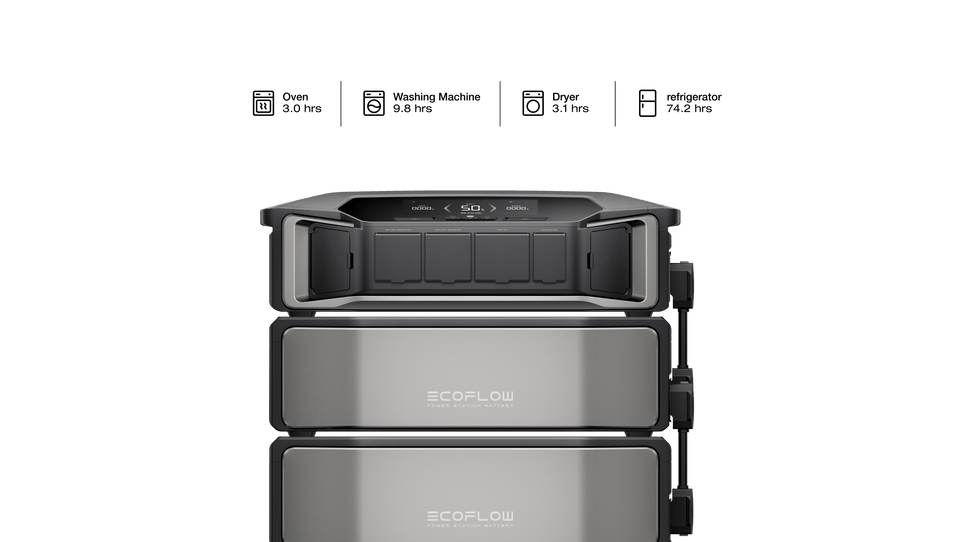
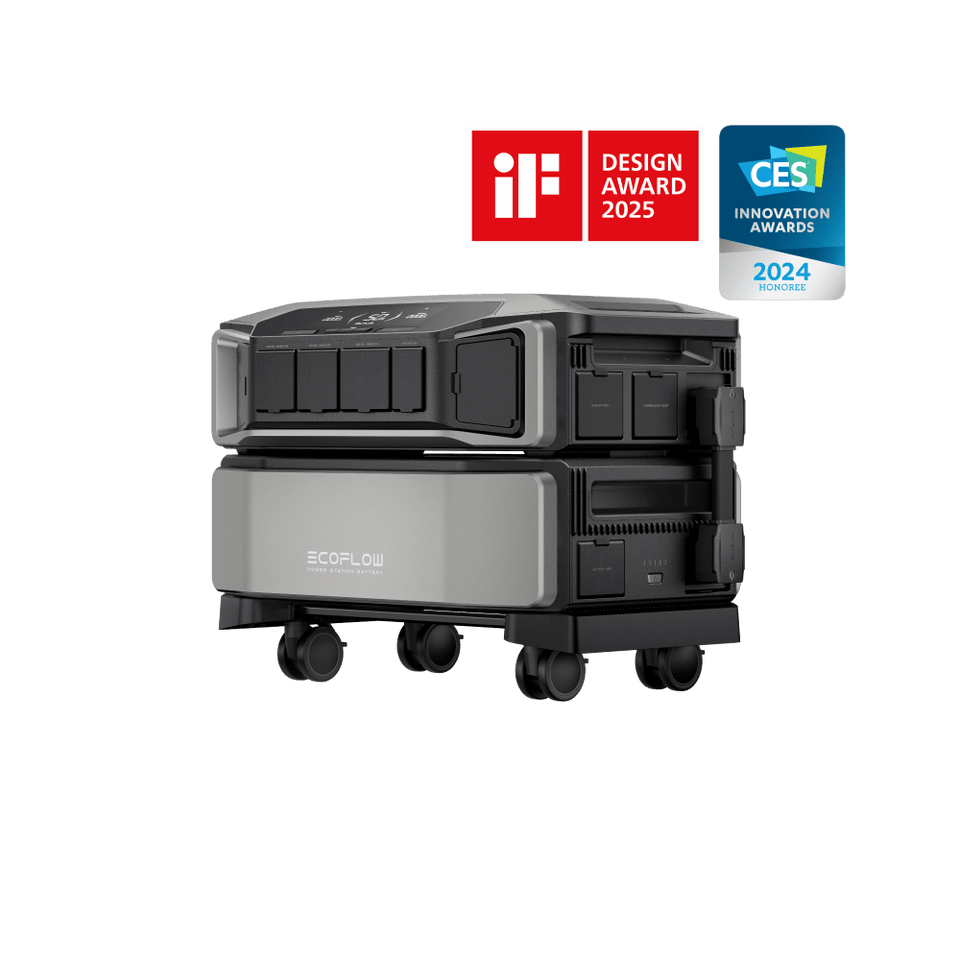
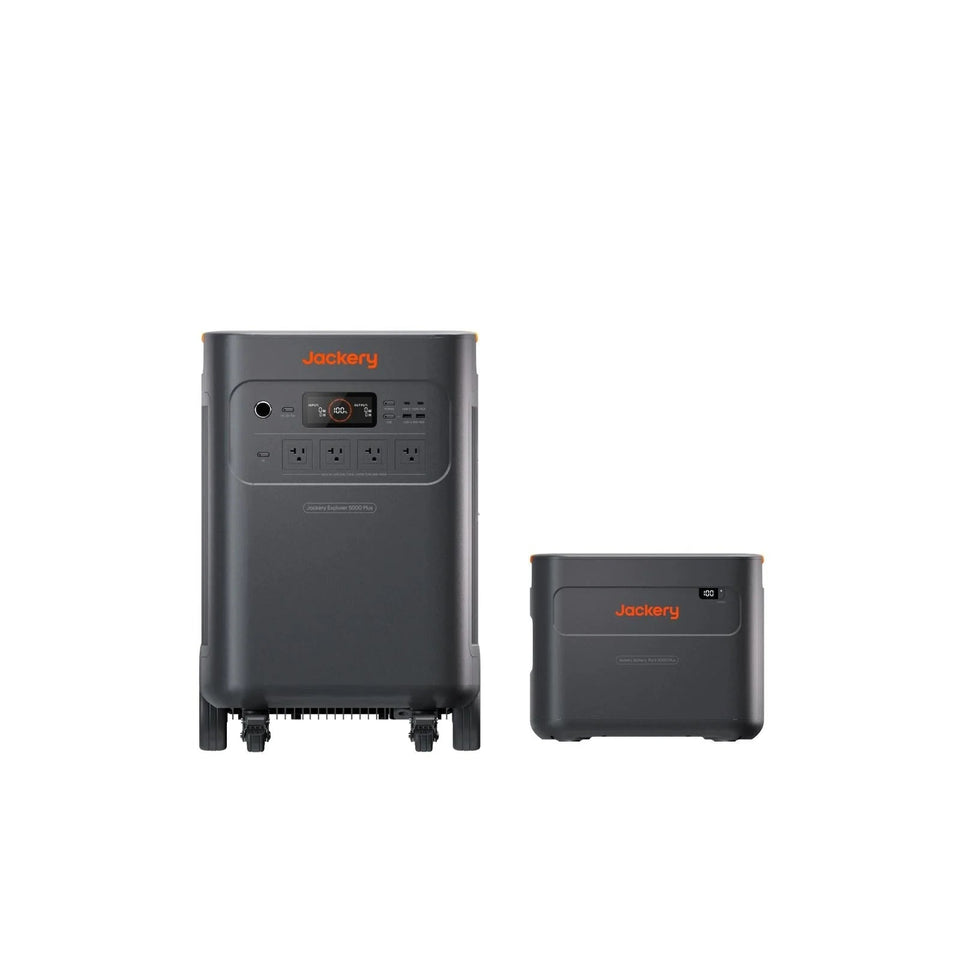
240VBackup + Manual Transfer Switch ($3,500–$7,000hardware + licensed electrician install): For many University Place homeowners, pairing a high-capacity240Vportable power station—such as the EcoFlow DELTA Pro Ultra (6,144Wh,7,200Woutput, below-freezing battery self-heating) or Anker SOLIX F3800 (3,840Wh,6,000W) or Jackery Explorer 5000 Plus (5,040Wh,7,200W)—with a licensed-electrician-installed manual transfer switch or panel interlock delivers clean storm resilience at a fraction of permanent wall-battery cost. Because you keep the battery topped up off cheap Tacoma Power hydro-rich grid electricity before windstorms arrive, you aren’t gambling on January sunlight—and you can wheel the unit out for RV trips or move it if you sell your home.
Compare both approaches in 120V vs. 240V Home Backup Explained and Transfer Equipment & Professional Installation.
5. Seven Contract Questions to Ask University Place Installers Before Signing
Collect at least three itemized written bids from local, L&I-verified Pierce County or South Sound electrical/solar contractors and ask every bidder these seven questions in writing:
- “What is your exact WA L&I Electrical Contractor license number, and will you use in-house W-2 certified electricians or third-party subcontractors?” (Ensure the legal entity pulling the Tacoma Power permit matches your contract.)
- “Does the quoted price handle the Tacoma Power electrical permit, City of University Place / Pierce County building permit, structural engineering stamps, and PTO application?” (Never pull homeowner permits on behalf of a commercial installer—that shifts code liability onto you.)
- “Did you size this array strictly under 100% of my past 12 months of Tacoma Power kWh usage to avoid forfeiting credits at the March 31 reset?”
- “What are your roof penetration waterproofing methods and your separate workmanship warranty length?” (Manufacturers warranty panels for 25 years and inverters for 10–25 years, but roof leaks are covered only by the installer’s workmanship warranty—look for at least 10 years written roof/labor coverage.)
- “Are there any dealer fees or financing markups embedded in this quote, and what is the true all-in cash price?” (Solar loans frequently add 15%–30% hidden “dealer origination fees” onto the principal balance compared to cash or a local credit union HELOC.)
- “How does your winter vs. summer production model account for University Place evergreen shading and NREL overcast months?” (Ask for monthly kWh estimates—not just one optimistic annual total.)
- “If I want outage protection for my fridge, gas furnace blower, or well pump, what is the separate itemized cost of a permitted backup battery vs. a simple manual transfer switch / generator inlet?”
| Evaluation Step | Official Verification Target | Red Flag Warning |
|---|---|---|
| Contractor License | WA L&I Portal (Active 01 Electrical + Bond + Insurance) |
“Pending” license, residential-only handyman registration, or subcontractor shell games |
| Tax Claims | Valid WA Sales Tax Exemption (<=10 kW through 2029) |
Quotes still deducting expired 30% Section 25D credit on 2026 cash installs |
| Utility Sizing | Sized <=100% annual Tacoma Power load (March 31 true-up) | Oversized quotes ignoring annual credit expiration |
| Outage Expectations | Explicit battery + transfer switch / microgrid scope | Implying grid-tie rooftop panels alone will power your house during a blackout |
Ready to evaluate portable home-backup capacities against your essential circuits first? Run your refrigerator, furnace blower, and sump pump through our Home Wattage Calculator or compare top whole-home backup units in Best Home Backup Power Stations.
Models Discussed in This Article
EcoFlow DELTA Pro Ultra
Built specifically for homeowners seeking high-voltage solar input (up to 5,600W) and modular 6kWh-per-stack scaling, though total kit cost and modular footprint exceed casual portable needs.

Anker SOLIX F3800
One of the most approachable plug-and-play 120V/240V wheeled units thanks to built-in NEMA 14-50R and L14-30R ports, though high idle overhead on light loads and the 60V solar cap (on the original non-Plus SKU) require careful sizing.
Jackery Explorer 5000 Plus
Combines a 5,040Wh LFP core, 7,200W split-phase output, 14,400W published surge headroom, and both High-PV (135–450V) and Low-PV solar inputs in a single wheeled chassis.
Frequently Asked Questions
Who handles electric net metering and solar permits in University Place, WA?+
University Place is served electrically by Tacoma Power (Tacoma Public Utilities). Contractors must pull an electrical permit through Tacoma Power, submit a Solar Application and Interconnection Agreement, and pass electrical inspection before Permission to Operate (PTO) is granted—while building permits depend on whether the property falls under City of University Place or unincorporated Pierce County jurisdiction.
Is the 30% federal residential solar tax credit still available in 2026?+
No—under federal legislation enacted in July 2025 (Public Law 119-21), the Section 25D 30% Residential Clean Energy Credit for homeowner-purchased solar and standalone battery systems terminated for installations completed after December 31, 2025. Verify current tax eligibility with a licensed CPA and reject any 2026 sales quote still promising an automatic 30% cash-purchase federal tax credit.
How do I verify if a University Place solar contractor is legally licensed in Washington?+
Washington does not issue a standalone solar license; installers must hold an active WA Department of Labor & Industries (L&I) Electrical Contractor license (typically 01 General Electrical). Look up the contractor's Business Name or UBI on L&I's official Verify a Contractor portal to check Active license status, surety bond, liability insurance, and Workers' Comp coverage.
Do rooftop solar panels keep running during a Tacoma Power windstorm outage?+
Standard grid-tied solar panels shut off immediately during blackouts due to UL 1741 anti-islanding safety rules. To run essential circuits during outages, you need either a permitted grid-tied hybrid battery with microgrid transfer switching or a 240V portable backup station (such as EcoFlow DELTA Pro Ultra or Anker SOLIX F3800) paired with a licensed-installed manual transfer switch.
Sources & Technical References
- View Source →[1]Government Research ResourceWashington Utilities and Transportation Commission (UTC)Verified 2026-11-25Net Metering & Customer Solar Installer Consumer Guidance in Washington State
Washington State net metering framework, utility permitting expectations (Pierce County / University Place Tacoma Power), and contractor verification guidelines.
- View Source →[2]Government Research ResourceU.S. Department of Energy (DOE)Verified 2026-11-25Homeowner's Guide to Going Solar & Grid Interconnection
Consumer guidance on rooftop/portable solar sizing, net metering rules, utility interconnection, and installer vetting.
- View Source →[3]Technical & Safety StandardNational Fire Protection Association (NFPA)Verified 2026-11-24NFPA 70 National Electrical Code (NEC) Transfer Equipment & Standby Power Overview
Governs transfer switches, panel interlocks, and prohibition of unsafe backfeeding on US residential electrical panels.
- View Source →[4]Government Research ResourceNational Renewable Energy Laboratory (NREL)Verified 2026-11-24PVWatts & US Peak Sun Hours Reference Data
Documents regional peak sun hours and real-world photovoltaic derating factors (ambient heat, angle, shading, controller loss).
- View Source →[5]Manufacturer SpecificationEcoFlow US OfficialVerified 2026-11-24EcoFlow DELTA Pro Ultra Product Page & Specifications
Official North American 120V/240V split-phase inverter and 6,144Wh LiFePO4 battery module specs.