Solar vs. Gas vs. Hybrid Generators for Backup Power (2026 Engineering Comparison)
Compare solar batteries vs. inverter/tri-fuel gas generators vs. hybrid setups across CO safety, cold weather, motor surge, 55-75 dB noise, and 10-year TCO.
Neither solar nor gas wins every blackout scenario. LiFePO4 solar generators run indoors with zero exhaust at 30–50 dB and 3,000–4,000 cycle longevity, whereas inverter gasoline and tri-fuel generators crush heavy HVAC/well-pump LRA surges and multi-day cloudy outages at lower upfront cost—provided they run strictly 20+ feet outdoors. For most US homes, a hybrid pairing combines quiet indoor battery storage with short daytime propane recharges.
Declaring solar generators “universally better” than gas generators ignores basic thermodynamics and US weather reality. A 2,048Wh battery station is effortless inside an urban apartment during a six-hour summer thunderstorm—yet turns helpless on Day 3 of a freezing, overcast December ice storm if you have a 240V well pump and zero sun. Conversely, firing up an 8,500W open-frame gas generator at 2:00 a.m. just to keep a 150W kitchen fridge and 25W Wi-Fi router online burns gallons of fuel, wakes the neighborhood, and creates serious carbon monoxide hazards.
An objective engineering comparison evaluates three distinct architectures: Portable Solar Battery Generators, Inverter Gasoline / Tri-Fuel Generators, and Hybrid Battery + Combustion Setups across six hard operational criteria.
6-Pillar Engineering Comparison Matrix
| Engineering Criterion | Portable Solar Battery (LiFePO4) |
Inverter Gas / Tri-Fuel Generator | Hybrid Setup (2kWh LFP + Small Dual-Fuel) |
|---|---|---|---|
| CO & Indoor Placement | Zero exhaust — indoor/apartment legal (keep cooling vents clear) | Outdoors only (20+ ft away) — lethal CO risk indoors/garages |
Battery indoors, generator 20+ ft outdoors for daytime bursts |
| Acoustic Output | 30–50 dB (~23–30 dB light load; ~45–50 dB max fans) |
55–75+ dB (55–65 dB enclosed inverter; 70–75+ dB open-frame) |
Silent indoors overnight; 55–65 dB outside ~2–3 hrs/day |
| Motor Surge Endurance | 78%–88% AC delivery; electronic 2× peak surge (9–14.4kW on 240V units) |
High thermal flywheel inertia; sustains heavy HVAC & well LRA easily |
Battery runs fridge/furnace; generator charges DC/AC smoothly |
| Cold-Weather Behavior | 32°F charge cutoff (unless -4°F self-heat like DELTA Pro Ultra) |
Gas starts in deep freeze; propane loses tank pressure <20°F |
Indoor battery stays warm (68°F); gas handles blizzard recharges |
| Fuel Decay vs. Battery Life | 3,000–4,000 LFP cycles (~10+ yrs); no carburetor maintenance |
E10 gas gums carbs in 30–90 days; LPG/natural gas lasts indefinitely |
Use LPG/stabilized gas sparingly; minimal engine runtime wear |
| Multi-Day Outage Economics | High upfront ($1,200–$6,000+); drops sharply in >48h cloudy storms |
Low upfront ($600–$2,200); ongoing fuel, oil, and stabilizer cost |
~$1,600–$2,400 total; cuts fuel burn ~70%–80% over gas-only |
1. Carbon Monoxide Safety vs. Electrical & Thermal Risk
- Gas & Tri-Fuel Generators (Strict Outdoor Isolation): Every internal-combustion engine emits lethal, odorless carbon monoxide (
CO). Even if a portable generator includes a built-in CO auto-shutoff sensor—as on the1,800Wgas /1,600Wpropane EcoFlow Smart Generator (Dual Fuel)—treat that sensor strictly as a backup alarm. Never run any combustion generator inside a garage (even with doors open), basement, carport, enclosed porch, or apartment balcony. Place combustion machines outdoors at least20+ feetfrom doors, windows, soffits, and HVAC intakes, with exhaust pointed downwind, and maintain battery-backed CO alarms indoors. - Solar Battery Stations (Zero Exhaust, Not Zero Risk): Eliminating combustion exhaust makes LiFePO4 power stations the only safe backup choice for apartments, condos, and indoor bedrooms. However, no high-capacity lithium battery system is completely risk-free: frayed extension cords, overloaded power strips, blocked cooling vents, or water intrusion still create electrical and thermal hazards. For residential panel hookups, both solar batteries and gas/tri-fuel generators require UL-listed transfer switches or mechanical interlock kits installed by a licensed electrician per NFPA 70 (NEC)—never improvised double-male backfeed cords (see Transfer Equipment & Professional Installation).
2. Acoustic Noise: 30–50 dB Indoor Quiet vs. 55–75+ dB Engine Drone
Manufacturer decibel specs tell the comfort story immediately:
- Solar Battery Stations: Under light residential loads (
100W–600Wrouters, fridges, CPAPs, TVs), units like theDJI Power 1000(23 dBcharging spec),EcoFlow DELTA 3 Plus,Jackery Explorer 2000 v2,Jackery Explorer 5000 Plus, andEcoFlow DELTA Pro Ultraoperate near~23–30 dB—quieter than a whispered library. Only under heavy1,500W–3,000W+sustained AC output or rapid charging do cooling fans step up toward~40–50 dB. - Combustion Generators: Even premium enclosed inverter gasoline generators typically measure
~55–65 dBat 23 feet (7 meters), while high-wattage open-frame tri-fuel units (7,500W–12,000Wcapable of whole-house HVAC) routinely hit70–75+ dBcontinuously—loud enough to complicate sleep, invite HOA complaints, and signal running fuel reserves across dark neighborhoods.
3. Cold-Weather Reliability: 32°F Lockouts vs. Vapor Pressure
Winter blackouts expose opposite weaknesses in batteries and engines:
- Lithium Battery Cold Limits: Standard LiFePO4 packs discharge safely down to
5°For-4°F, yet BMS software blocks solar or AC charging below32°F (0°C)to stop irreversible anode plating. If you store an unheatedBLUETTI AC200LorJackery 5000 Plusin an uninsulated garage, it cannot recharge from winter panels until warmed above freezing indoors. Only specialized self-heating architectures like the EcoFlow DELTA Pro Ultra operate charging down to-4°F (-20°C). - Gasoline vs. Propane vs. Natural Gas in Deep Freezes: Propane (
LPG) tanks store cleanly forever, yet standard20 lbcylinders lose internal vaporization pressure rapidly below~20°F–25°F, sputtering under high load. In sub-zero winter blizzards, stabilized ethanol-free gasoline or utility natural gas via a tri-fuel generator stays reliable—provided you maintain winter-weight oil (5W-30synthetic) and keep electric-start batteries charged.
4. Motor Surge Endurance (HVAC & Well Pumps)
If your outage plan requires starting heavy inductive motors (3-ton central air conditioning, deep 240V submersible well pumps, or electric shop compressors):
- Combustion Generators Win Heavy Continuous Surge per Dollar: A
$1,100–$1,8008,000W–10,000Wdual-fuel or tri-fuel generator carries physical rotational flywheel momentum capable of riding through multi-second Locked Rotor Amps (LRA) motor starts and sustaining4,000W+HVAC duty for days on end with fuel refills. - Battery Inverters Rely on Electronic Surge Windows: Even massive split-phase batteries like the Jackery Explorer 5000 Plus (
7,200W/14,400Wsurge) and EcoFlow DELTA Pro Ultra (7,200W/10,800Wsurge) shut down instantly if an un-soft-started AC condenser trips electronic overcurrent limits—and steady3,500Wcentral cooling drains a5kWh–6kWhbattery in barely 90 minutes (check 120V vs. 240V Home Backup Explained).
5. Fuel Spoilage vs. 3,000–4,000 Cycle Battery Aging
- Gasoline Maintenance Friction: Pump E10 gasoline absorbs moisture and gums small carburetor pilot jets in 30 to 90 days, meaning neglected gas generators frequently refuse to start during the one storm they were bought for. Avoiding fuel spoilage requires rotating fuel cans every 3–6 months, running ethanol-free gas with stabilizer, changing oil every
50–100hours, or switching to propane (LPG) / utility natural gas (tri-fuel). - LiFePO4 Battery Longevity: Modern LFP stations (
BLUETTI AC200L,Jackery 2000 v2,EcoFlow DELTA 3 Plus,DELTA Pro Ultra) rate for3,000 to 4,000full cycles (~10years of daily cycling, or well over a decade of occasional standby readiness) backed by5-yearUS warranties. Stored indoors around50%–80%state of charge and topped up twice a year, they start at the push of a button with zero oil or spark plugs.
6. Multi-Day Blackout Total Cost of Ownership (TCO)
Legacy blogs often claim solar generators “save $5,000–$12,000 over 10 years” vs. gas. That math only works if you live completely off-grid or run daily utility arbitrage—not for occasional storm backup. Compare realistic 10-year TCO assuming two 48-hour outages per year (4 days/yr, 1.8kWh–4kWh/day essential loads):
- Pure Solar Battery Setup (
~$2,200–$4,500+): Buying a2kWhexpandable unit like the BLUETTI AC200L (~$1,099street) +800W–1,200Wsolar panels (~$800–$1,500), or stepping to a240V5kWh–6kWhkit (~$3,000–$5,500+), yields$0fuel cost and virtually$0maintenance over 10 years—but struggles if 3 straight blizzard days block NREL solar irradiance (~58%–75%real STC yield). - Inverter Gas / Tri-Fuel Setup (
~$1,100–$2,400+ upkeep): A quality4,500W–9,000Wdual/tri-fuel inverter generator (~$900–$1,800) +20 lbpropane cylinders / fuel stabilizer / annual oil (~$60–$120/year,~$600–$1,200over 10 years) keeps total 10-year spend near~$1,600–$3,000, plus licensed panel interlock installation (~$400–$900typical). - Hybrid Pairing (
~$1,700–$2,600Sweet Spot): Combine a2kWhfast-charging battery indoors—such as the39.5 lbJackery Explorer 2000 v2 (~$999street,1,800WAC charge) or BLUETTI AC200L (2,400WAC charge)—with a compact1,800W–2,200Wdual-fuel inverter generator outdoors (~$500–$750) and an optional200W–400Wsolar panel. You sleep in complete silence indoors overnight, run the clean pure-sine propane generator outside at peak efficiency for just 1.5–2 hours per afternoon to blast~1,800Wback into the battery, slash propane/gas consumption by~75%–80%, and never fear a cloudy week. Compare more load profiles in our Portable Power Station vs. Gas Generator Guide and Wattage Calculator.
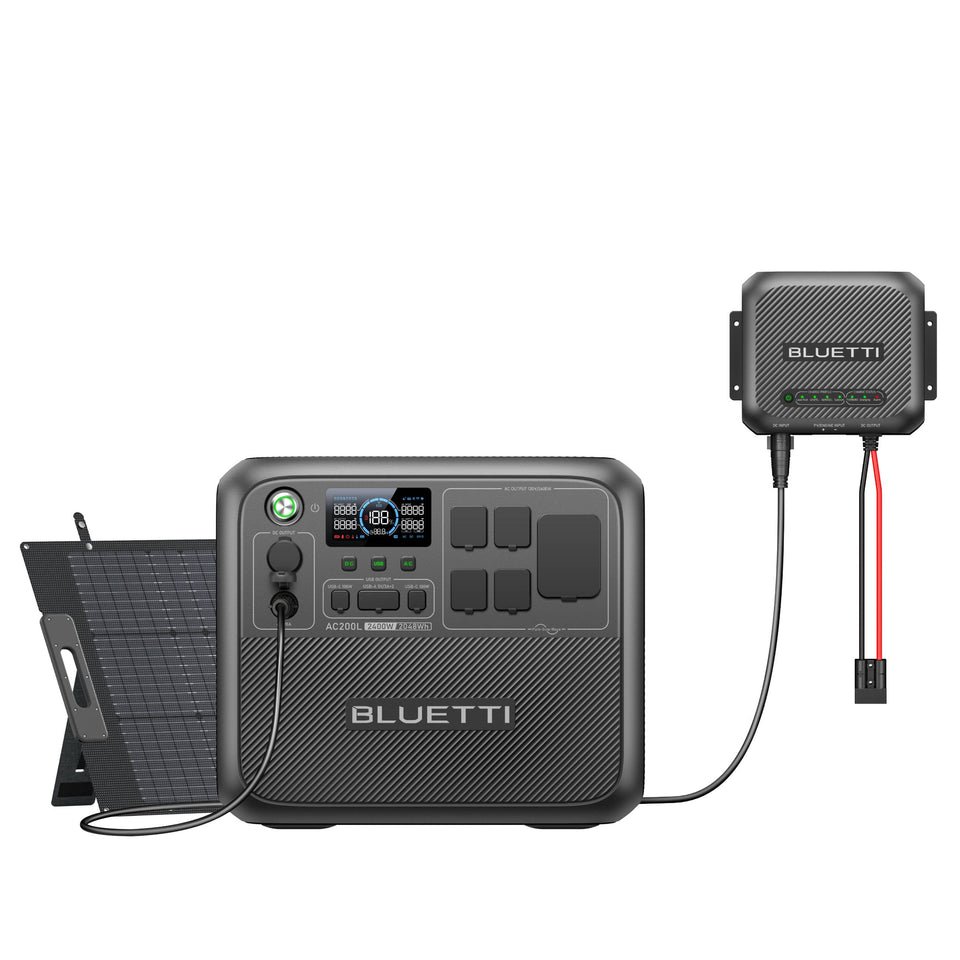
Models Discussed in This Article
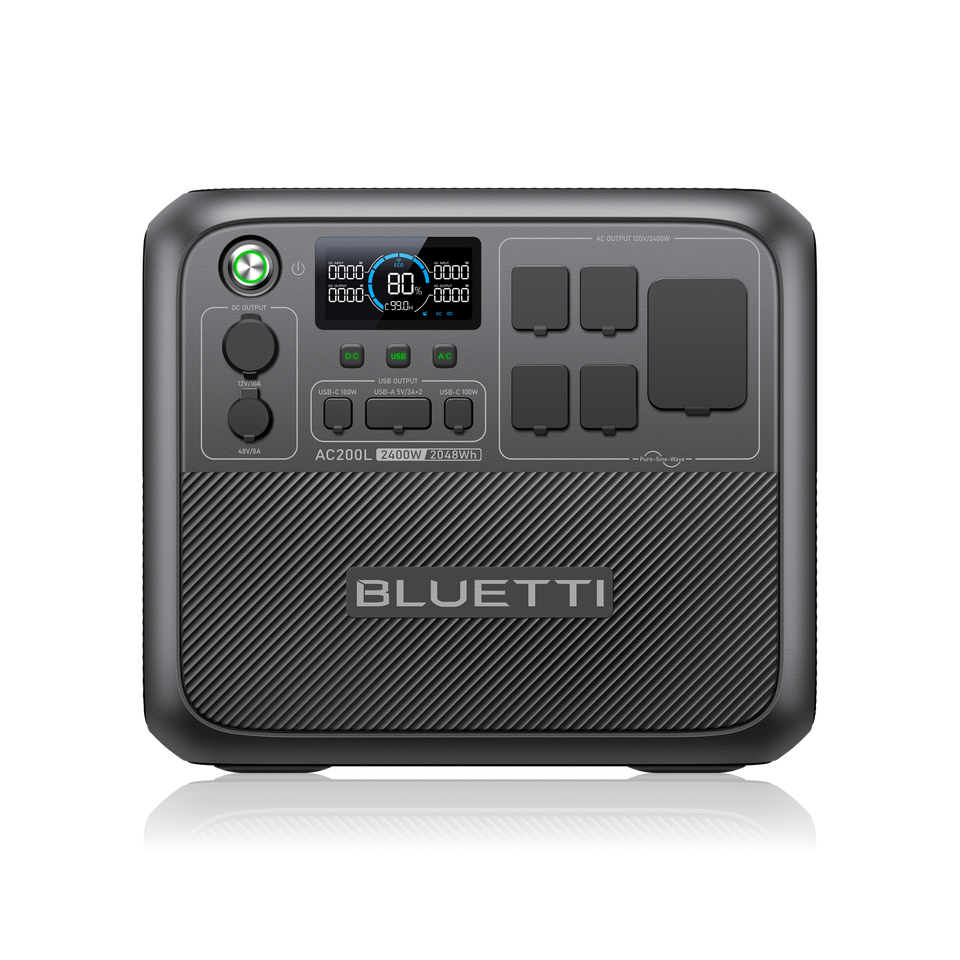
BLUETTI AC200L
Combines a high-efficiency 2,048Wh expandable platform, 1,200W high-voltage solar input (12–145V), and dedicated 30A TT-30R + 48V DC RV outputs at strong street pricing, trading away light weight and built-in wheels.
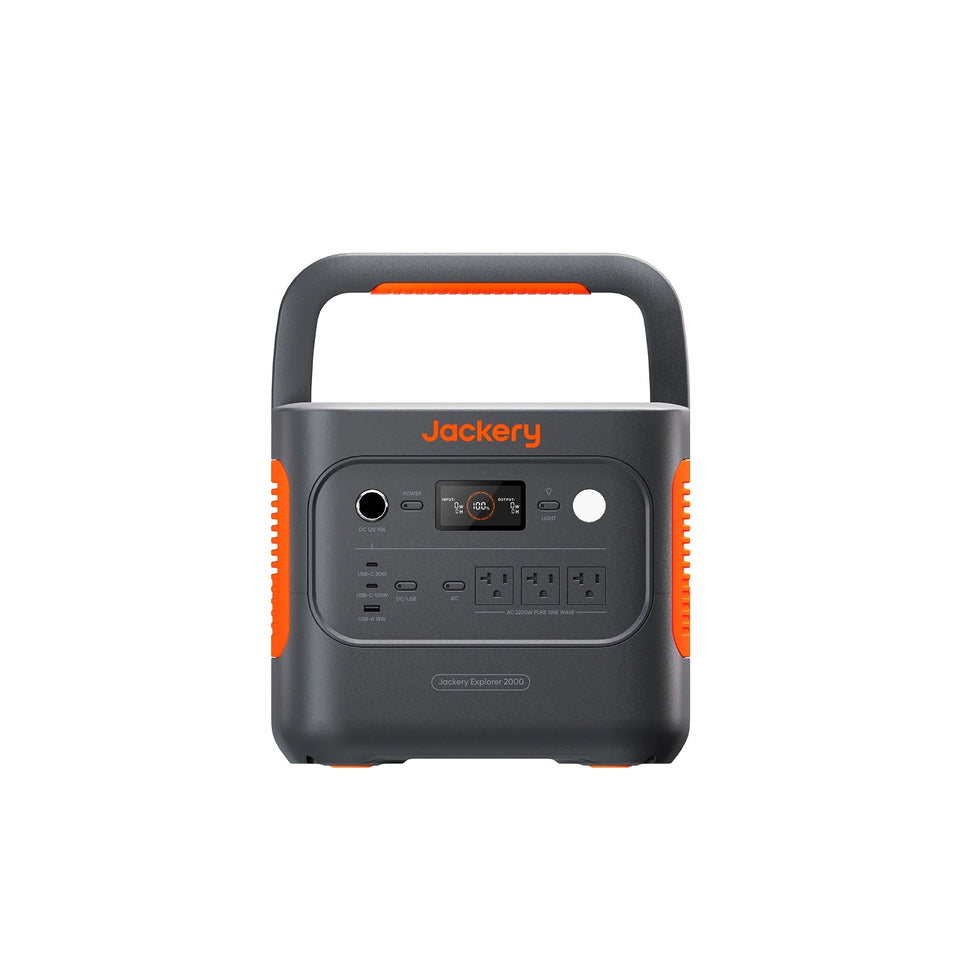
Jackery Explorer 2000 v2
A breakthrough 39.5 lb chassis makes 2,042Wh genuinely single-hand portable for camping and apartments, provided you accept its 400W solar recharge ceiling and non-expandable battery.
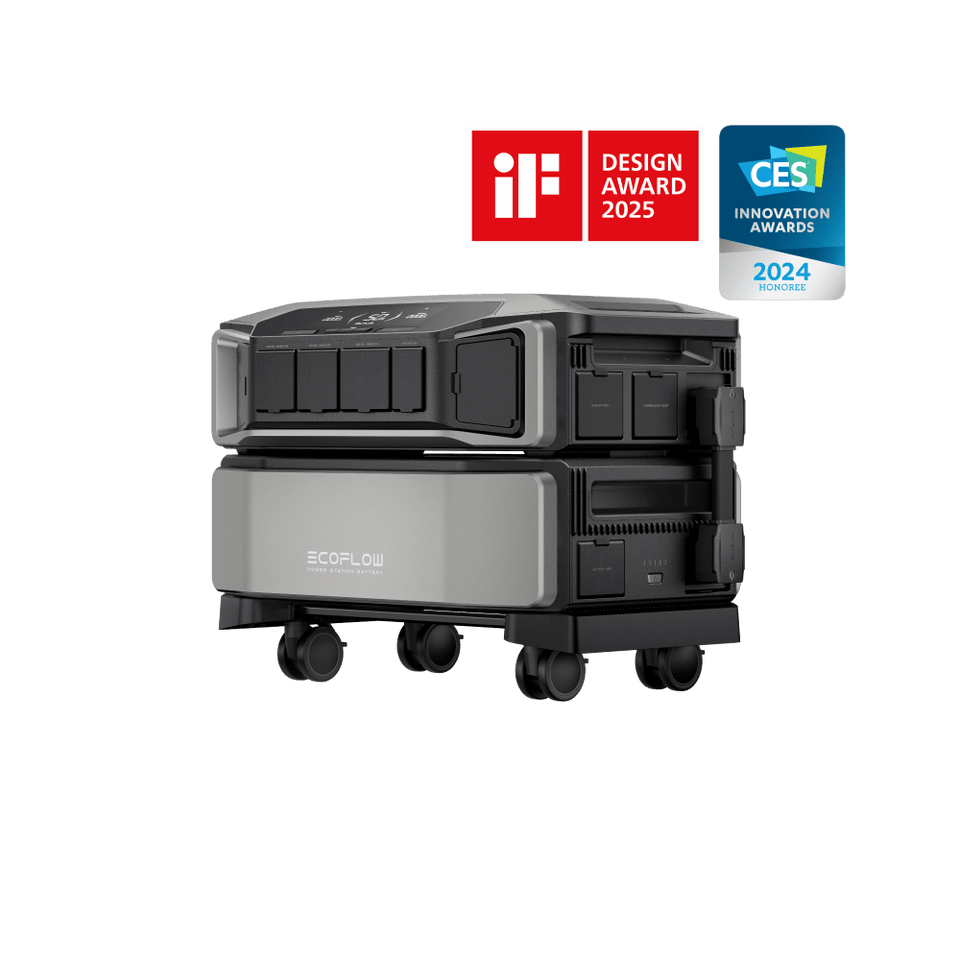
EcoFlow DELTA Pro Ultra
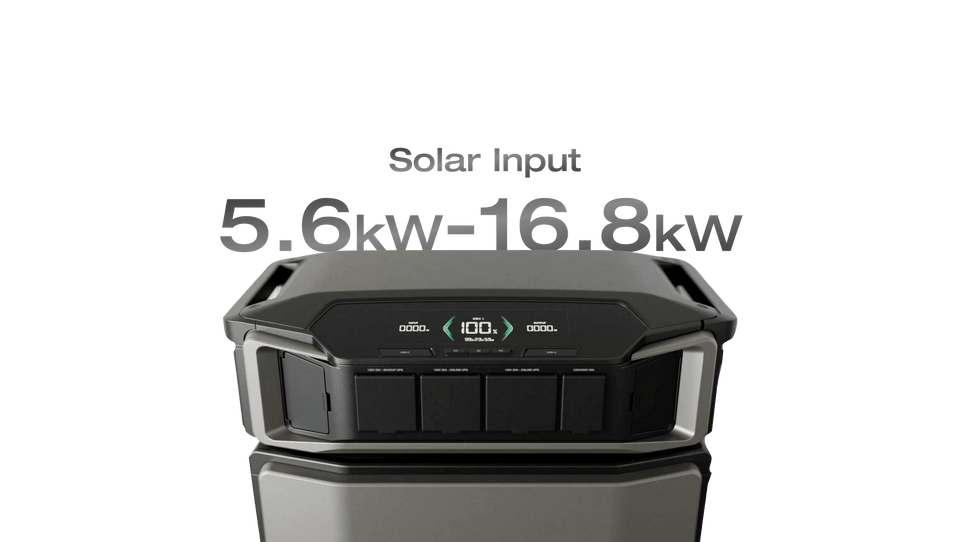
Built specifically for homeowners seeking high-voltage solar input (up to 5,600W) and modular 6kWh-per-stack scaling, though total kit cost and modular footprint exceed casual portable needs.
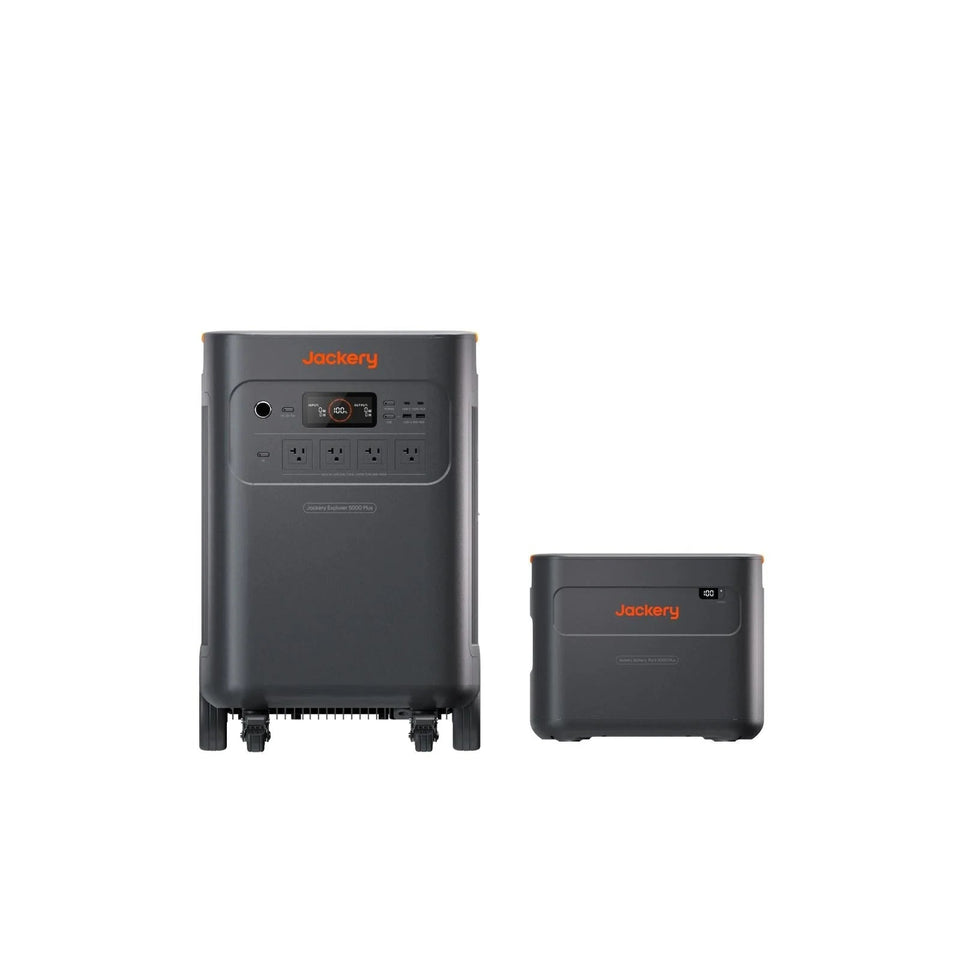
Jackery Explorer 5000 Plus
Combines a 5,040Wh LFP core, 7,200W split-phase output, 14,400W published surge headroom, and both High-PV (135–450V) and Low-PV solar inputs in a single wheeled chassis.
Frequently Asked Questions
Do solar generators actually save thousands of dollars compared to gas generators for emergency backup?+
Rarely if used solely for occasional power outages. Because a typical US homeowner experiences only 1 to 3 short outages per year, annual gasoline/oil expenses for an inverter generator might total $40–$120/year—meaning a $4,500+ whole-home solar battery stack takes decades to 'pay back' fuel costs alone unless you actively cycle it daily on Time-of-Use utility arbitrage.
Why can't I place a gas or dual-fuel generator inside an open garage during a rainstorm?+
Carbon monoxide (CO) is invisible, odorless, and denser than many people realize—even with garage doors open and box fans running, exhaust swirls rapidly into adjoining living rooms and bedrooms. US safety rules require operating combustion generators outdoors at least 20 feet away from windows, doors, and HVAC vents, with exhaust pointed downwind.
Which performs better in sub-zero winter blizzards: LiFePO4 batteries or propane/gas generators?+
Both face distinct cold-weather traps. Standard LiFePO4 batteries block charging below 32°F unless equipped with automatic self-heating (such as EcoFlow DELTA Pro Ultra down to -4°F). Meanwhile, 20 lb propane tanks lose vapor pressure below ~20°F–25°F under heavy draw, making stabilized gasoline or piped natural gas tri-fuel engines more dependable in severe deep freezes.
Why is a hybrid solar battery + small inverter generator setup often better than choosing only one?+
Running a 5,000W gas generator 24 hours straight at 150W fridge load wastes ~80% of its fuel on engine friction and creates sleepless noise. Keeping a 2kWh LiFePO4 station indoors for silent nighttime loads and running a compact inverter/propane generator outside for 2 hours each afternoon cuts fuel consumption and noise hours dramatically.
Sources & Technical References
- View Source →[1]Technical & Safety StandardNational Fire Protection Association (NFPA)Verified 2026-11-24NFPA 70 National Electrical Code (NEC) Transfer Equipment & Standby Power Overview
Governs transfer switches, panel interlocks, and prohibition of unsafe backfeeding on US residential electrical panels.
- View Source →[2]Government Research ResourceNational Renewable Energy Laboratory (NREL)Verified 2026-11-24PVWatts & US Peak Sun Hours Reference Data
Documents regional peak sun hours and real-world photovoltaic derating factors (ambient heat, angle, shading, controller loss).
- View Source →[3]Manufacturer SpecificationEcoFlow US OfficialVerified 2026-11-25EcoFlow Smart Generator (Dual Fuel) Specifications
1,800W gasoline / 1,600W LPG hybrid DC/AC backup generator with automatic DC battery charging trigger for DELTA Pro and DELTA 2 ecosystems.
- View Source →[4]Manufacturer User ManualEcoFlow Support DocumentationVerified 2026-11-24EcoFlow DELTA Pro Ultra User Manual & Technical Datasheet
Documents High-PV (80-450V, 15A, 4,000W) and Low-PV (30-150V, 15A, 1,600W) limits, operating temps, and UPS switching behavior.
- View Source →[5]Manufacturer SpecificationBLUETTI US OfficialVerified 2026-11-24BLUETTI AC200L Portable Power Station Official Specifications
2,048Wh LFP, 2,400W continuous AC, 3,600W Power Lifting mode, NEMA TT-30R + 48V/8A DC RV port, 1,200W solar (12-145V).